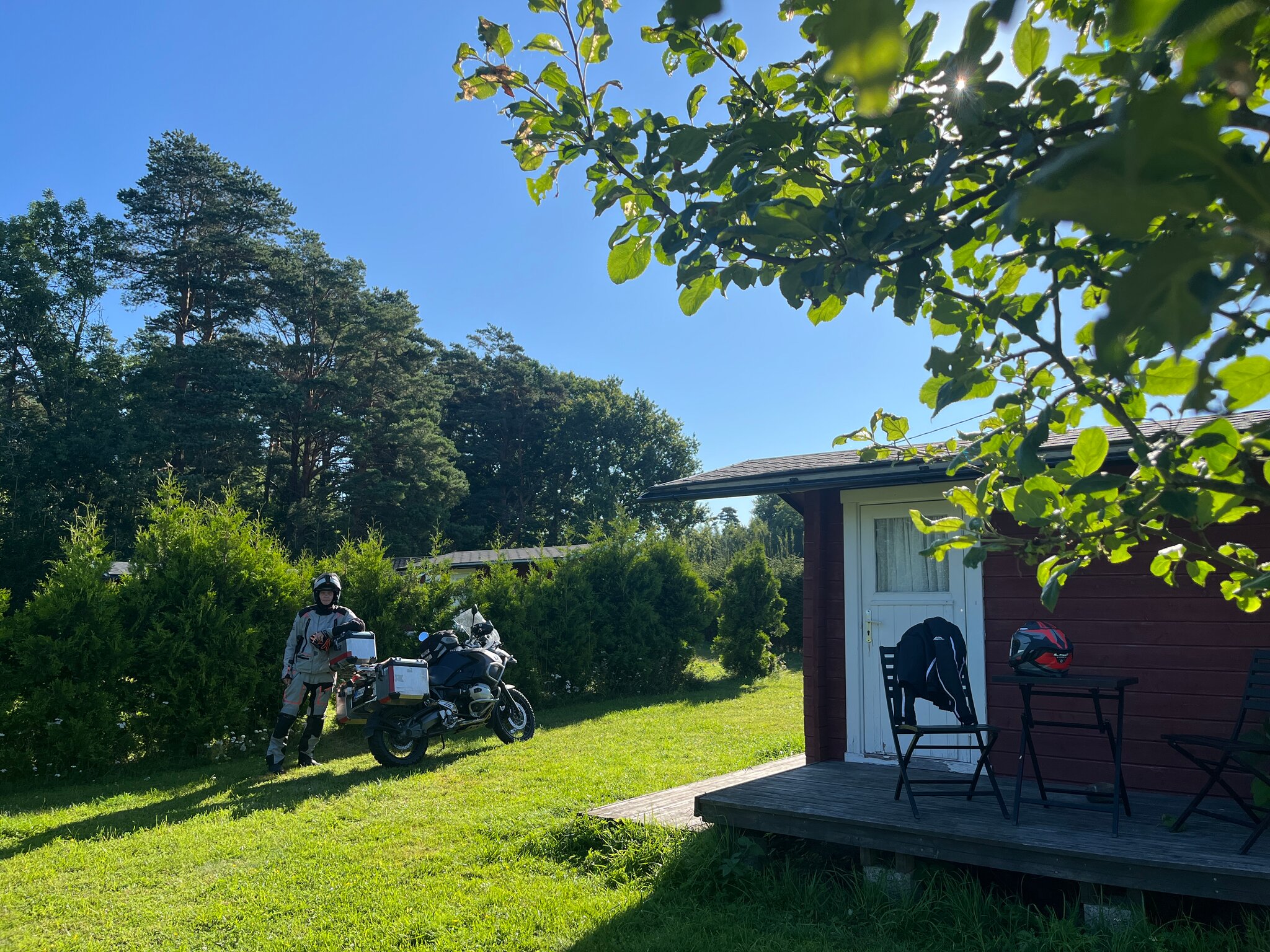
Nagu planeeritud oli meil eile väga pingeline päev. Tegelesime aktiivselt mitte millegi tegemisega ja seetõttu ei ole eilse päeva kohta ka postitust. Täna on aga hoopis teine lugu. Tänase päeva eesmärgiks on jõuda õhtuks koju. Vaatame, kuidas see õnnestub. Nagu juuresolevalt pildilt näha on ratas pakitud ja kõik valmis teele asumiseks.
As planned, yesterday was a very demanding day. We were actively engaged in doing nothing at all, and so there is no post about it. Today is quite a different story. Today’s goal is to reach home by evening. Let’s see how that works out. As the photo shows, the bike is packed and everything is ready for the road.
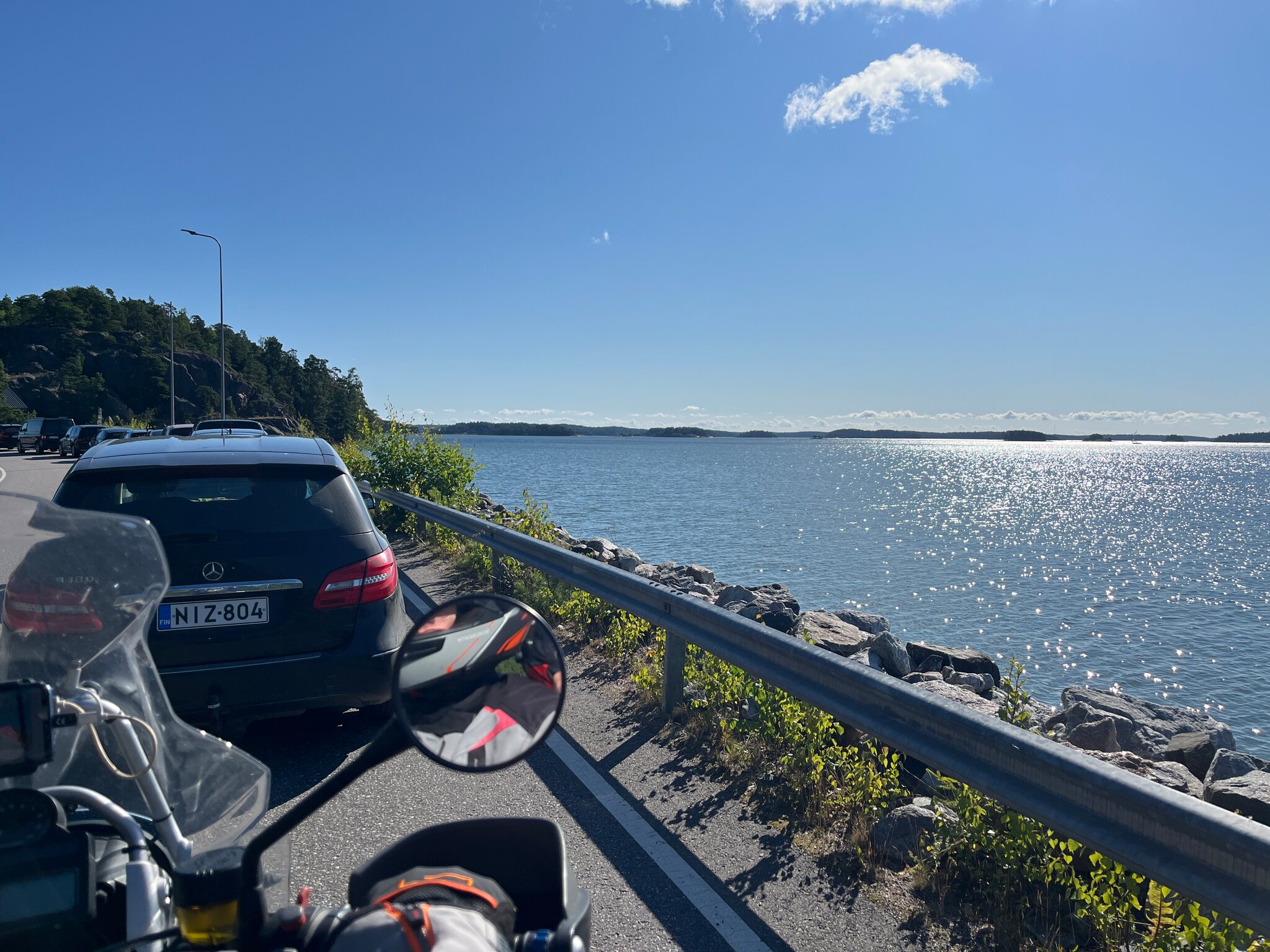
Veel viimane vaade Turu saarestikule. Praami järjekorras pidime ootama vaid 10 minutit. Praamid on sellel lõigul tasuta ja piisavalt suured nii, et jõuavad kõik ootavad autod peale võtta. Nagu tavaliselt planeerisime tee peal ka mõned peatused, et suurelt teelt kõrvale pöörata, nautida sõitu kitsamatel ja käänulisematel teedel ja saada rohkem teada Soome kohta.
One last look at the Turku archipelago. We only had to wait ten minutes in the ferry queue. On this stretch the ferries are free and big enough to take every waiting car aboard. As usual we had planned a few stops along the way, so we could turn off the main road, enjoy the narrower and twistier roads and learn a little more about Finland.
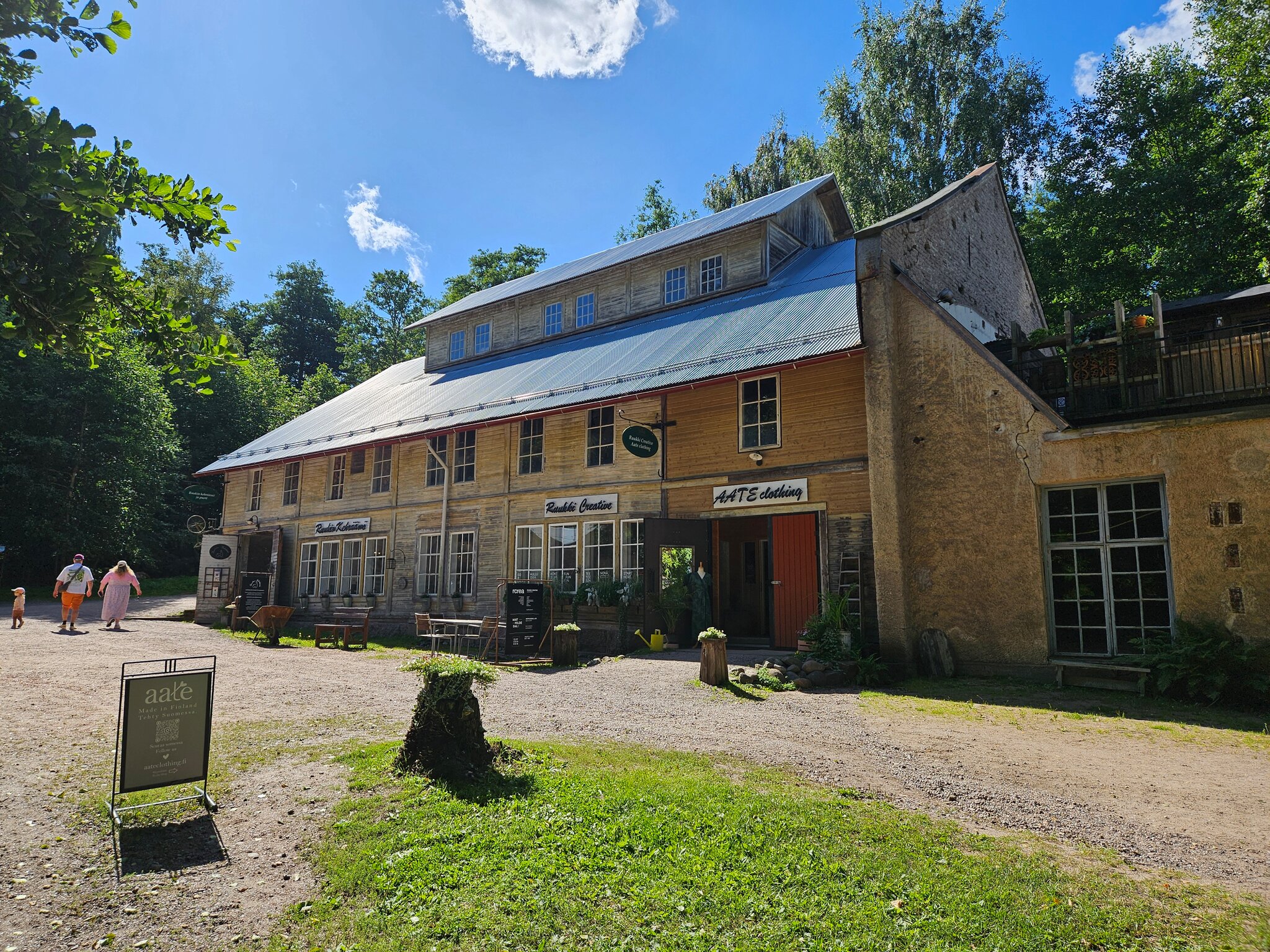
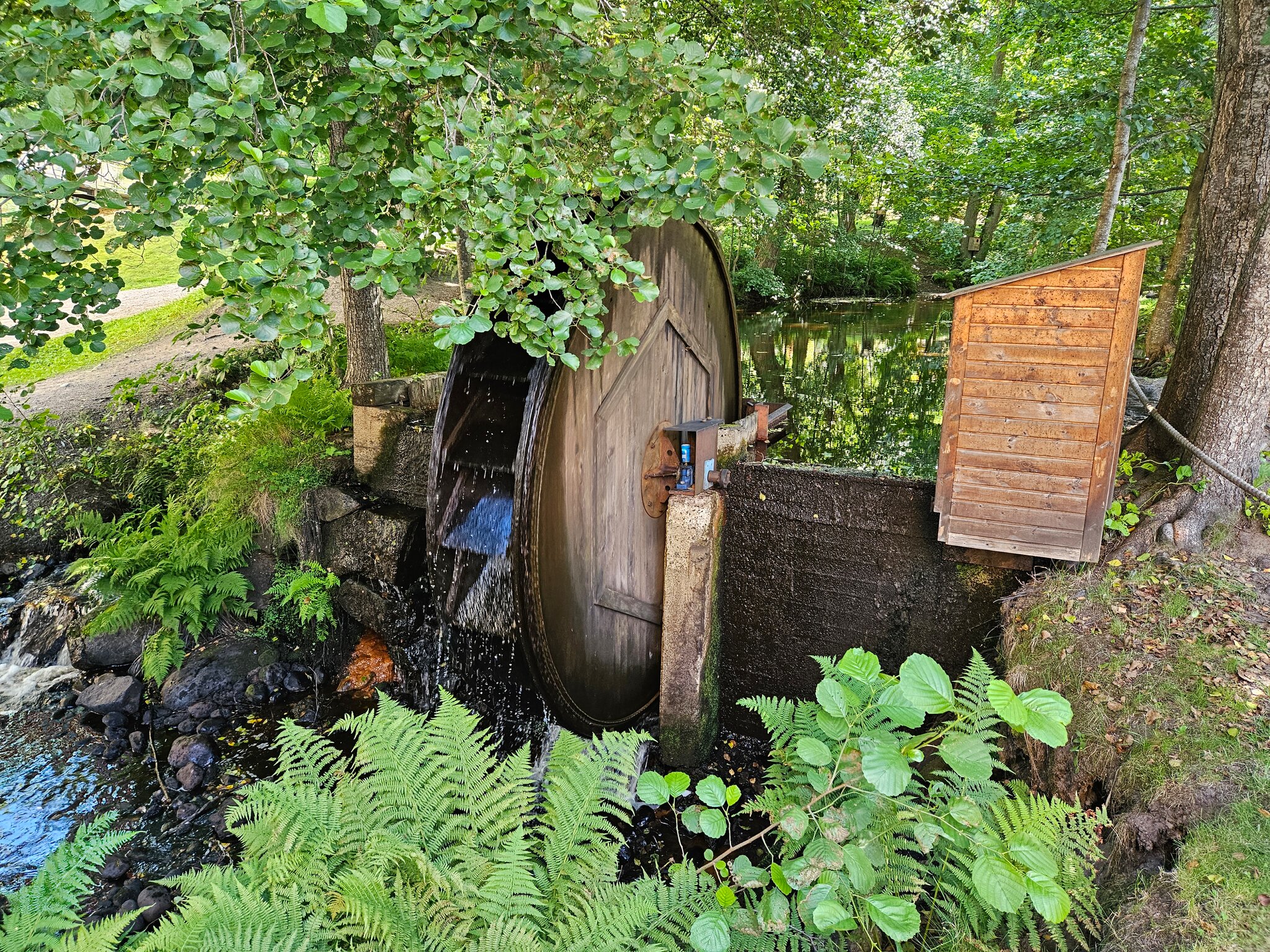
Esimese peatuse ja ka lõunasöögi tegime Mathildedalis.
Mathildedal sai oma nime 1852. aastal. Teijo rauatehase omanik Viktor Zebor Bremer rajas Hummeldali jõe suudmesse uue tehase ja pani kohale nime oma teise abikaasa, paruness Ottiliana Mathilda Bremeri järgi. Mathildedal tähendabki Mathilda orgu. Sajandi lõpuks valmistati siin põllutööriistu ja -masinaid, aurumasinaid ja paadimootoreid ning parimal ajal andis tehas tööd kahesajale mehele.
We made our first stop, and had lunch, in Mathildedal.
Mathildedal got its name in 1852. Viktor Zebor Bremer, the owner of the Teijo ironworks, built a new works at the mouth of the Hummeldal river and named the place after his second wife, Baroness Ottiliana Mathilda Bremer. Mathildedal means Mathilda’s valley. By the end of the century the works was making agricultural tools and machinery, steam engines and boat motors, and at its peak it employed two hundred men.
Tänase päeva teise peatuse tegime Tammisaaris. See koht on tuntud oma vanalinna poolest. See kuulsus on ka täiesti põhjendatud. Tegemist on väga armsa kohaga, mida julgen kõigile soovitada.
Tammisaare asutas 1546. aastal kuningas Gustav Vasa ja see on Soome seitsmes vanim linn. Mõte oli luua kaubanduslik konkurent teisel pool lahte asuvale Tallinnale. Päris hästi see ei õnnestunud: neli aastat hiljem asutati Helsingi ja osa Tammisaare kaupmehi sunniti sinna ümber kolima. Vanalinna praegused puumajad pärinevad põhiliselt 18. ja 19. sajandist ning kogu vanalinn on kultuuriväärtusena kaitse all.
Our second stop of the day was Tammisaari. The place is known for its old town, and the reputation is thoroughly deserved. It is a very endearing spot and I can recommend it to anyone.
Tammisaari was founded in 1546 by King Gustav Vasa and is Finland’s seventh oldest town. The idea was to create a commercial rival to Tallinn on the other side of the gulf. It did not work out especially well: four years later Helsinki was founded and some of Tammisaari’s merchants were forced to move there. The wooden houses standing in the old town today are mostly from the 18th and 19th centuries, and the whole old town is protected as a cultural heritage site.
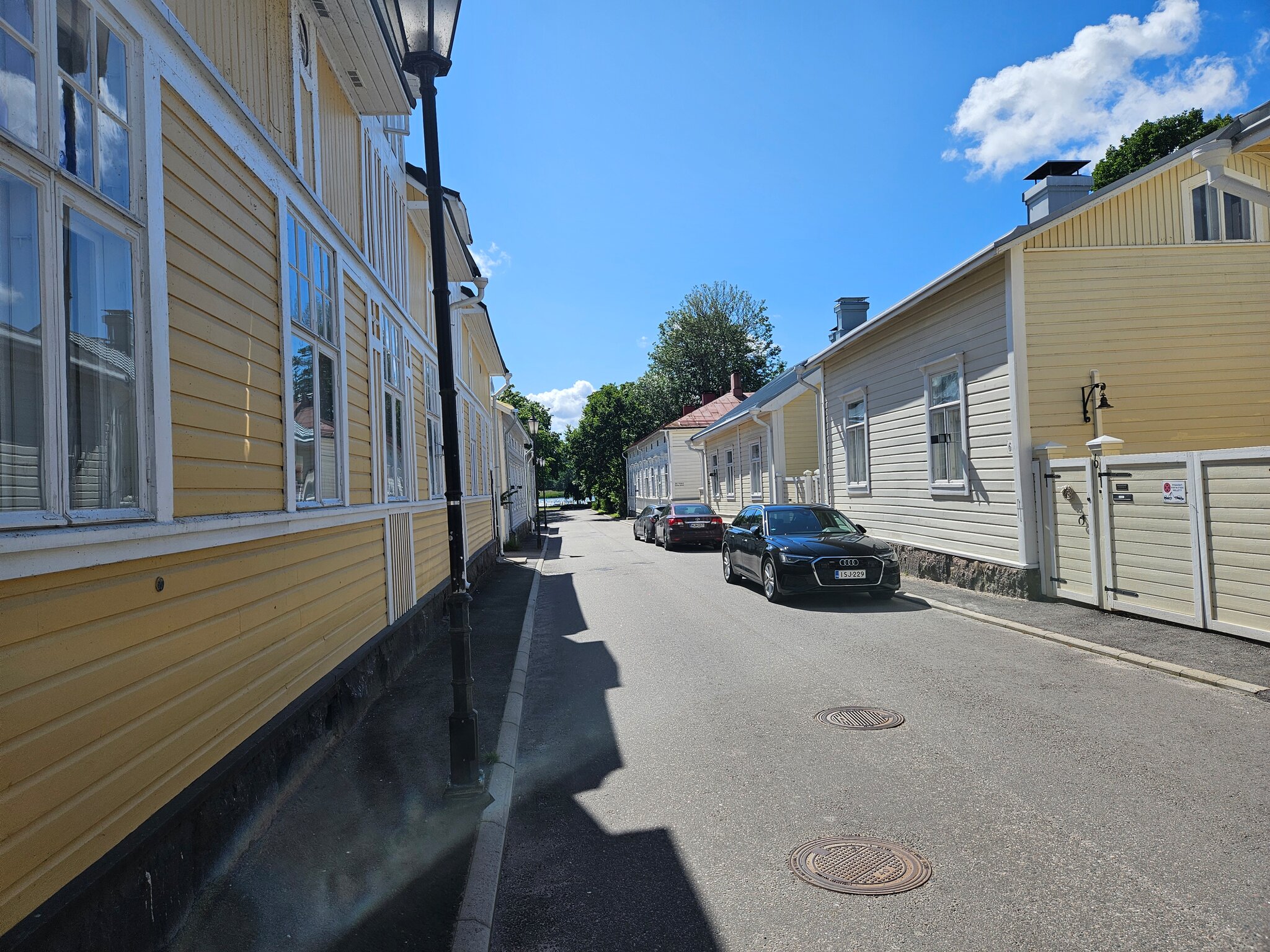
Selles linnas nägime ühte väga huvitavat riistapuud. Need olid kinnitatud väljaspoolt majade akendele ja lähemalt vaadates tundus, et tegemist on mingisuguse peegliga. Läks päris tükk tööd, enne kui selgus, millega on tegu.
In this town we came across a very curious contraption. They were fixed to the outside of the house windows, and up close they looked like some kind of mirror. It took quite a bit of work before we found out what they were.
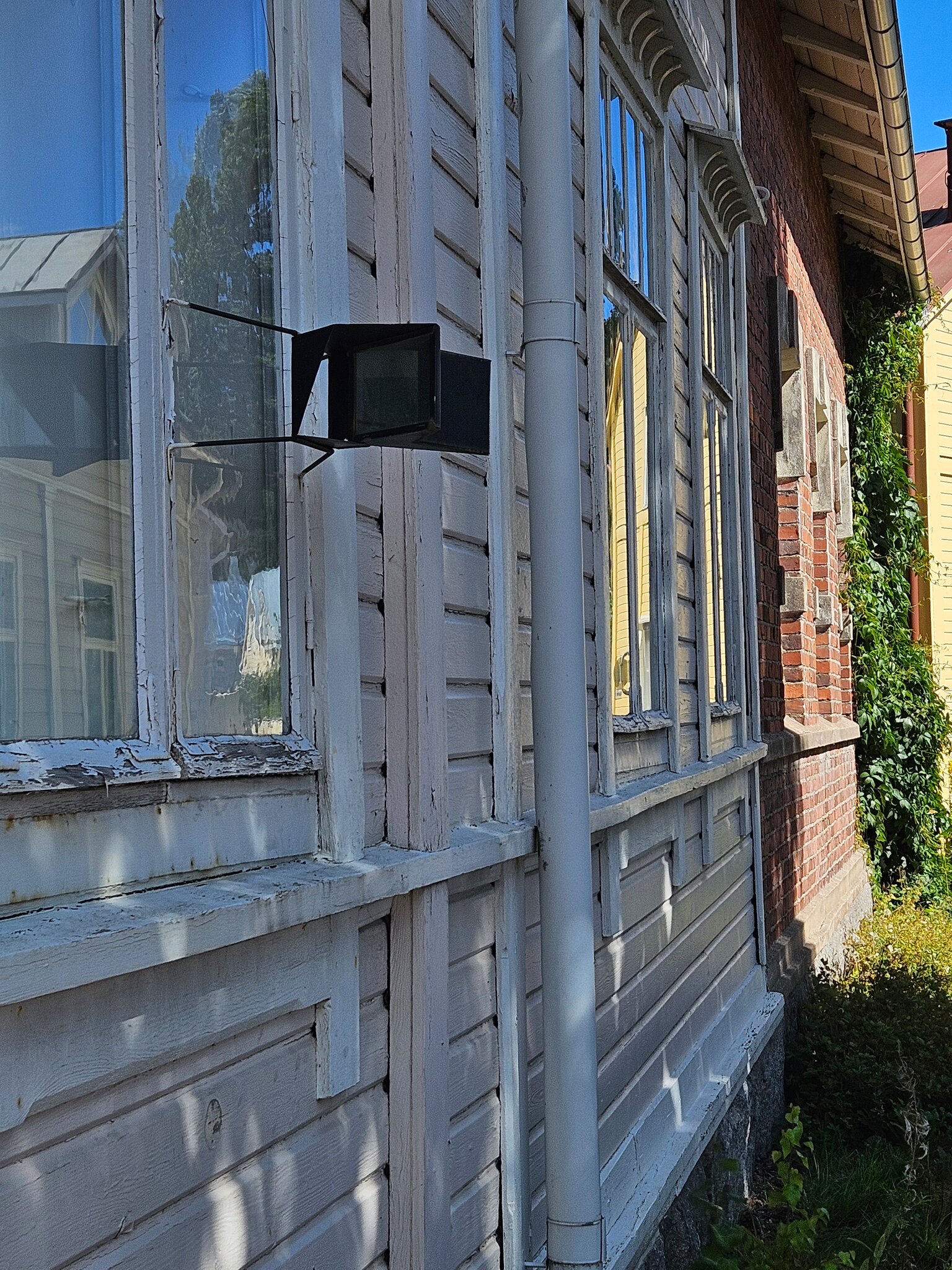
Selle olulise seadeldise nimi on otsetõlkes kuulujutupeegel (rootsi keeles skvallerspegel). See võimaldab toast lihtsalt näha, mis tänaval toimub. Kes tuleb, kuhu läheb ja kellega koos. Veel annab see täpse ülevaate, kes uksele koputab, ja kas tasub olla kodus või mitte.
The name of this essential device translates directly as gossip mirror (skvallerspegel in Swedish). It lets you see from indoors what is going on out in the street. Who is coming, where they are going and with whom. It also gives you a precise view of who is knocking at the door, and whether it is worth being at home or not.
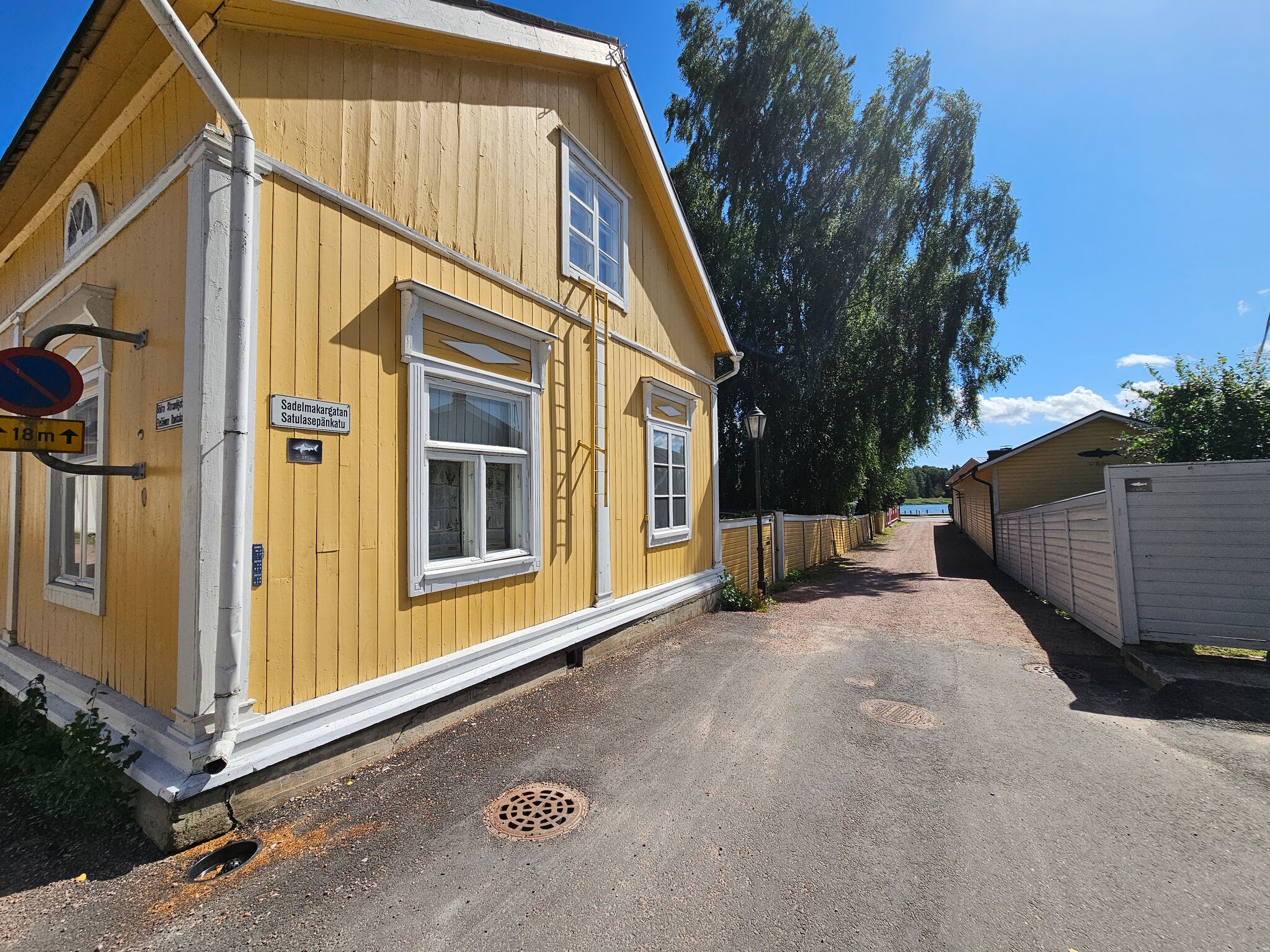
Tammisaaris on ka igal olulisemal ametil oma tänav. Lisaks sadulaseppadele on oma tänav ka kangrutel, seppadel, kindameistritel ja kübarategijatel. Nimekiri on ilmselt veelgi pikem, aga need jäid lihtsalt meelde.
In Tammisaari every trade of any importance has a street of its own. Besides the saddlers there are streets for the weavers, the smiths, the glovemakers and the hatters. The list is probably longer still, but those are the ones that stuck in our minds.
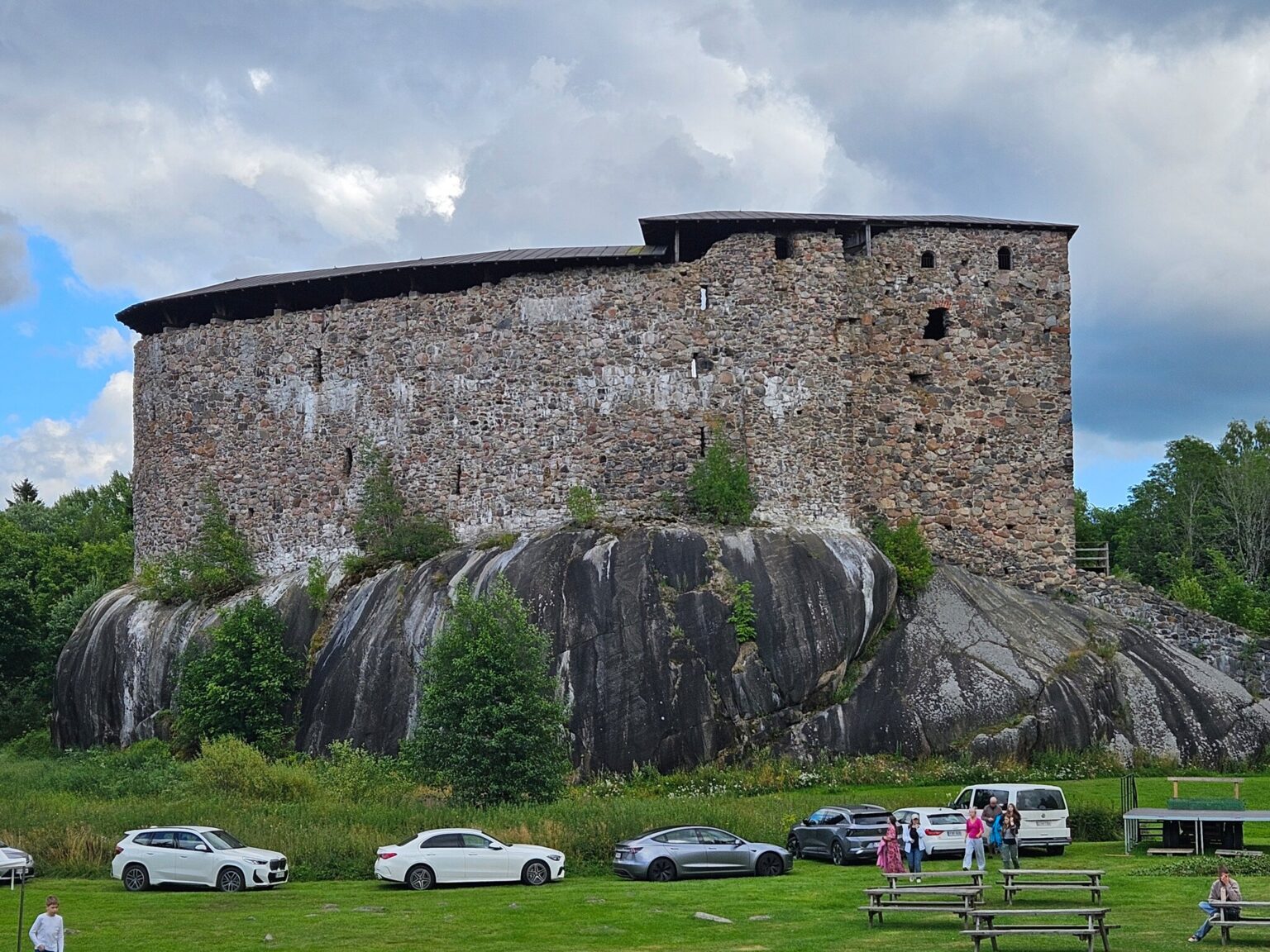
Tänase päeva viimane peatus oli Raasepori kindluse juures. Kui me sinna jõudsime, olime veidi segaduses. Tundus, et see vana kindlus on tõeline turismimagnet. Autode parkimist korraldasid rohelistes vestides inimesed ja autosid muudkui tuli juurde. Varsti selgus, et kindluse varemete kõrval on ka Soomes tuntud suveteater, kus täna toimub hooaja viimane vabaõhumuusikali etendus. Suur osa inimestest suundus sinna ja vaid mõned üksikud kindluse varemeid uudistama.
Our last stop of the day was at Raseborg Castle. When we got there we were a little confused. This old castle seemed to be a real tourist magnet. People in green vests were directing the parking and cars just kept arriving. It soon turned out that next to the castle ruins there is a summer theatre well known in Finland, and that the season’s final open-air musical was playing that day. Most of the crowd headed there, and only a few came to look around the ruins.
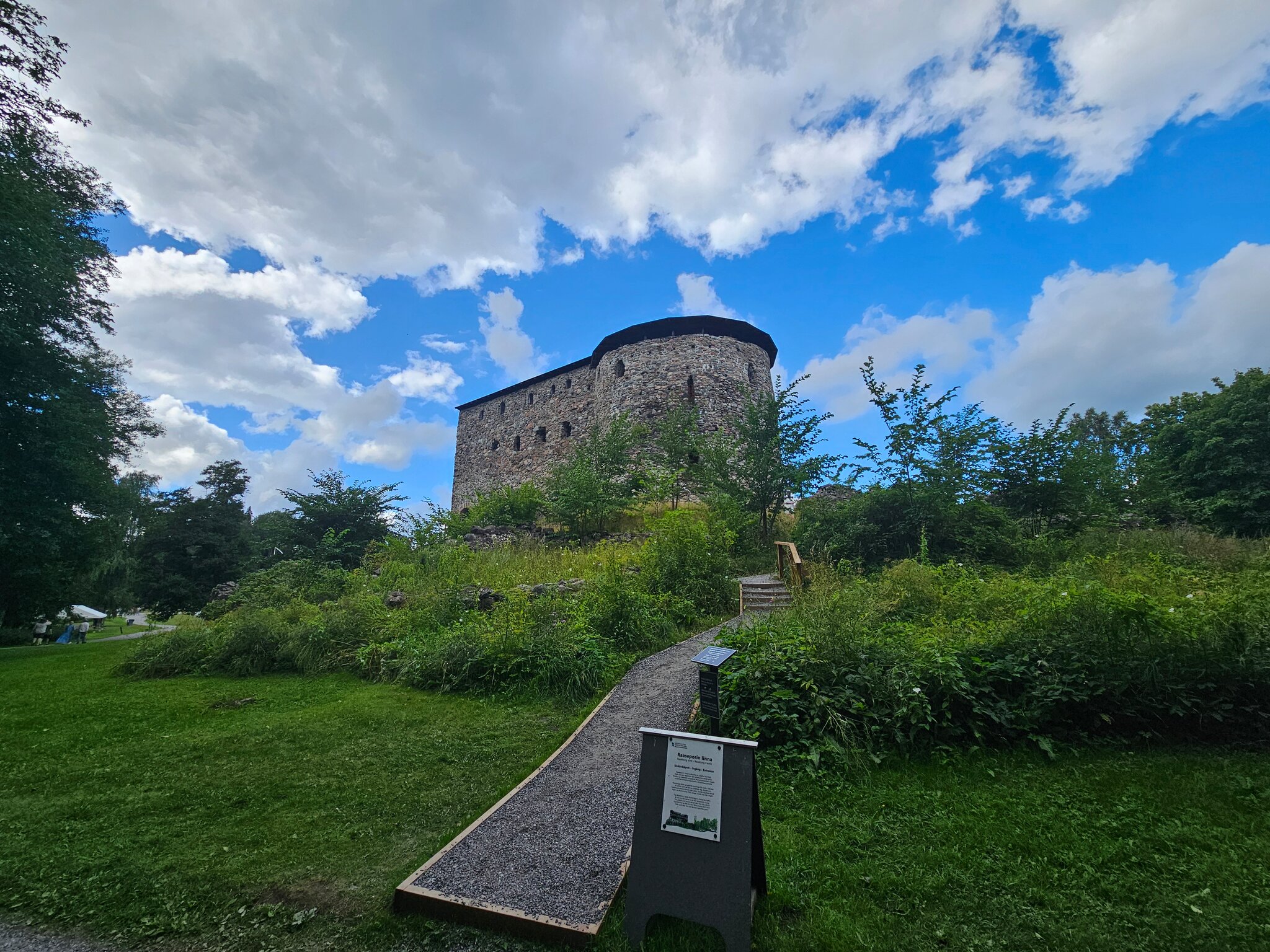
Raasepori linnuse rajas 1370. aastatel Rootsi riigimees Bo Jonsson Grip. Linnus valvas laevaliiklust ja kaubandust Soome lahel ning pidi hoidma Rootsi huve vastukaaluks hansalinnale Tallinnale. Omal ajal oli see Viiburi ja Turu järel tähtsuselt kolmas Rootsi võimukeskus Soomes. 1553. aastal viidi halduskeskus üle Helsingisse ja mõne aasta pärast jäeti linnus sootuks maha. Üle kolmesaja aasta seisid varemed tühjana, kuni 1880. aastatel algasid esimesed taastamistööd.
Ja nüüd kummitusest. 1468. aasta novembris purjetas linnuseisanda Lauri Akselinpoika Totti abikaasa Katariina Jönsintytär Viffert koos väikese pojaga Stockholmist mehe juurde Raaseporisse. Laev sattus tormi ja uppus Jussarö saare lähedal ning merre jäi umbes kakssada inimest. Kohalik pärimus ütleb, et kui ilm on samasugune nagu tol ööl ja jõe kohale tõuseb udu, võib näha naist ja väikest poissi mööda kallast kõndimas, nad on lõpuks ometi Raaseporisse jõudnud.
Raseborg Castle was built in the 1370s by the Swedish statesman Bo Jonsson Grip. It watched over shipping and trade in the Gulf of Finland and was meant to hold Swedish interests against the Hanseatic city of Tallinn. In its day it was the third most important seat of Swedish power in Finland, after Viborg and Turku. In 1553 the administrative centre moved to Helsinki, and within a few years the castle was abandoned altogether. The ruins stood empty for more than three hundred years, until the first restoration work began in the 1880s.
And now for the ghost. In November 1468 Katariina Jönsintytär Viffert, wife of the castle’s lord Lauri Akselinpoika Tott, sailed from Stockholm with their small son to join her husband at Raseborg. The ship was caught in a storm and went down near the island of Jussarö, taking some two hundred people with it. Local lore says that when the weather is like it was that night and mist rises off the river, you may see a woman and a small boy walking along the bank, they have finally arrived at Raseborg.
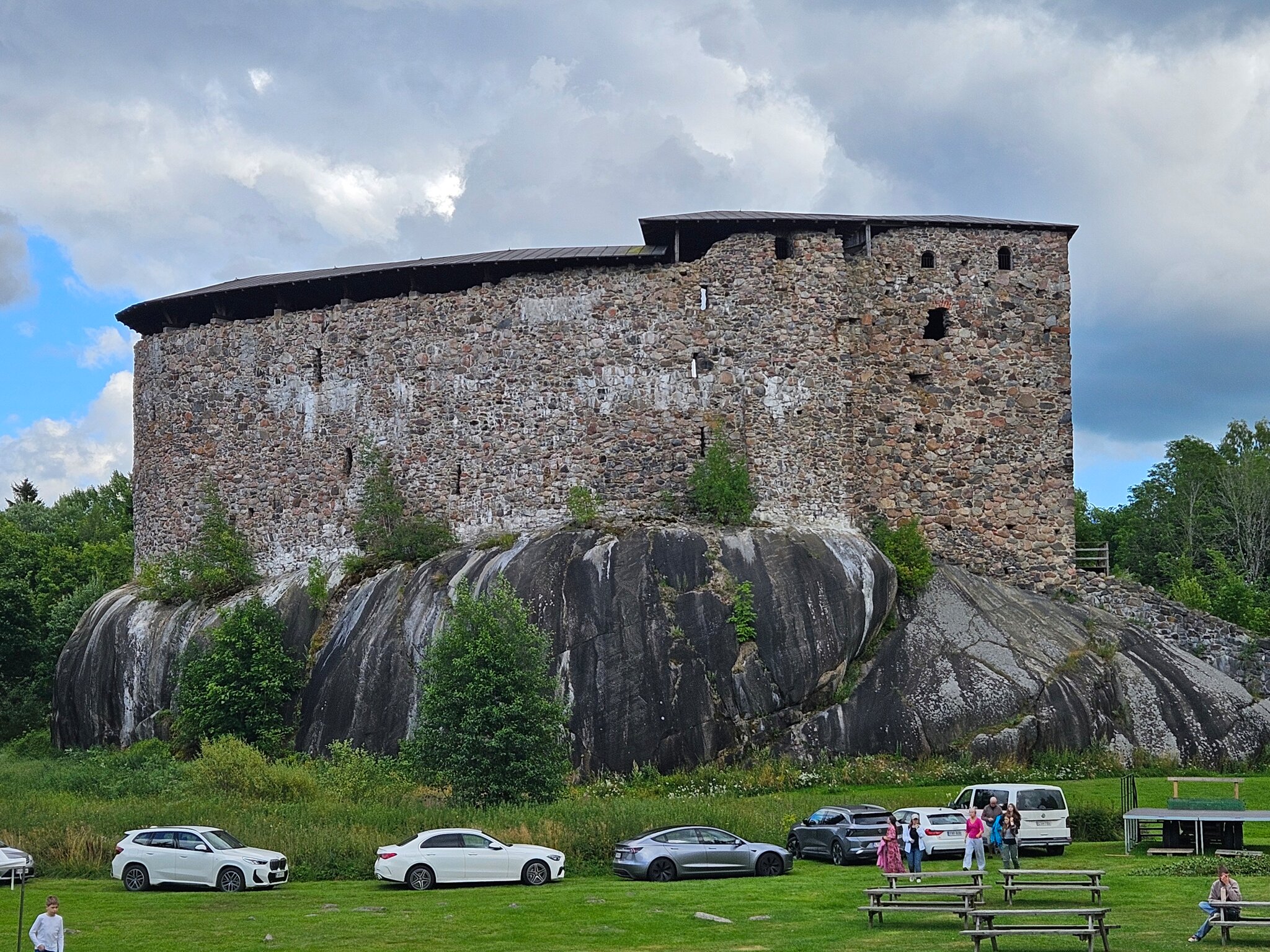
Algselt ehitati kindlus meres olevale kaljule. Kalju on alles tänase päevani. Mida pole on aga meri. Nagu paljudes teistes kohtades meie teekonnal tõuseb ka siin maapind. Seetõttu taandus meri kindluse ümbert ja see oli üheks põhjuseks, miks kindlus oma rolli kaotas.
The castle was originally built on a rock in the sea. The rock is still there. What is gone is the sea. As in so many other places on our journey, the land here is rising. The sea therefore withdrew from around the castle, and that was one of the reasons it lost its role.
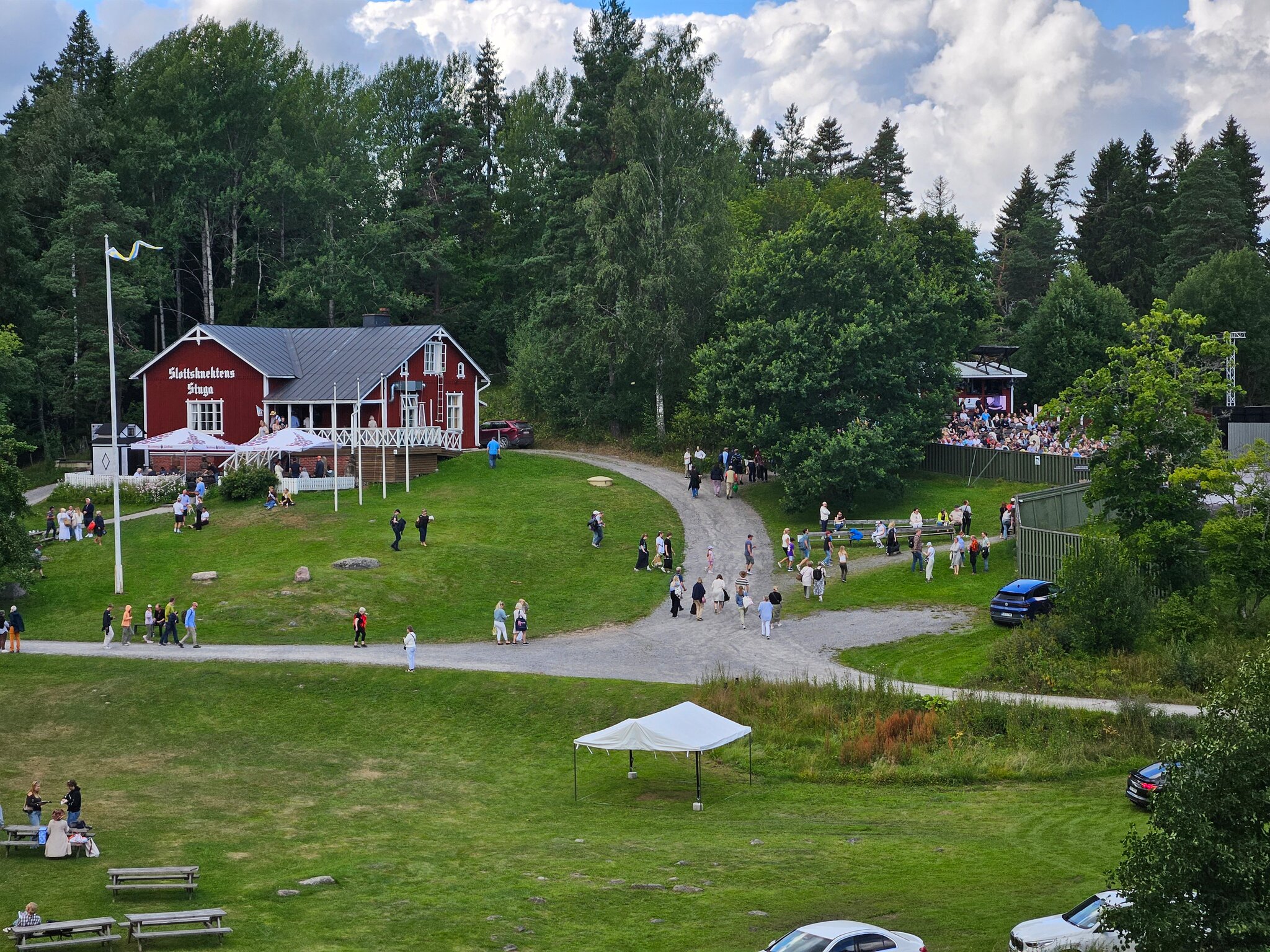
Etendus, mida suveteatris mängiti, oli „Rock of Ages“. Tundus, et etendus oli väga populaarne, sest ka hooaja viimane etendus oli täielikult välja müüdud. Omalt poolt ei oska seda väga kommenteerida kuna lahkusime etenduse esimeste helide saatel. Meil oli vaja jõuda praamile ja püüdsime mitte väga aega raisata.
The show playing at the summer theatre was “Rock of Ages”. It seemed to be very popular, as even the last performance of the season was completely sold out. We cannot really comment on it ourselves, since we left to the opening notes of the show. We had a ferry to catch and were trying not to waste too much time.
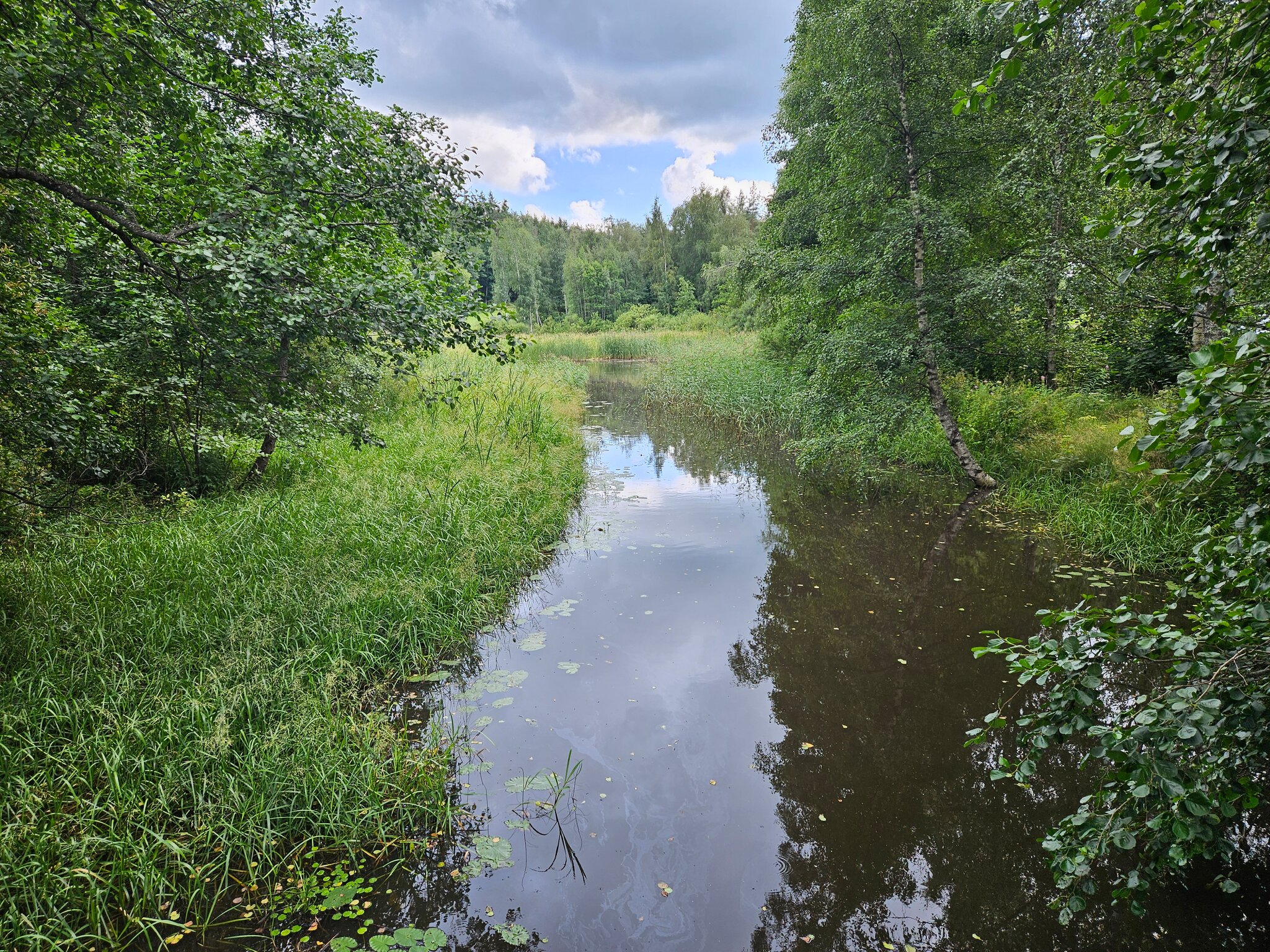
Viimane teelõik Vuosaari sadamasse kulges vahejuhtumiteta. Ootasime tunnikese sadamas kuni check-in avati. Järjekorras lobisesime veidi ühe inglasest tsiklimehega. Tema armastab reisida üksinda ja teha umbes neljanädalasi reise. Seekord pöördus ta tagasi Nordkapist.
The last stretch to Vuosaari harbour passed without incident. We waited an hour or so at the port until check-in opened. In the queue we chatted for a while with an English biker. He likes to travel alone and to make trips of about four weeks. This time he was on his way back from the North Cape.
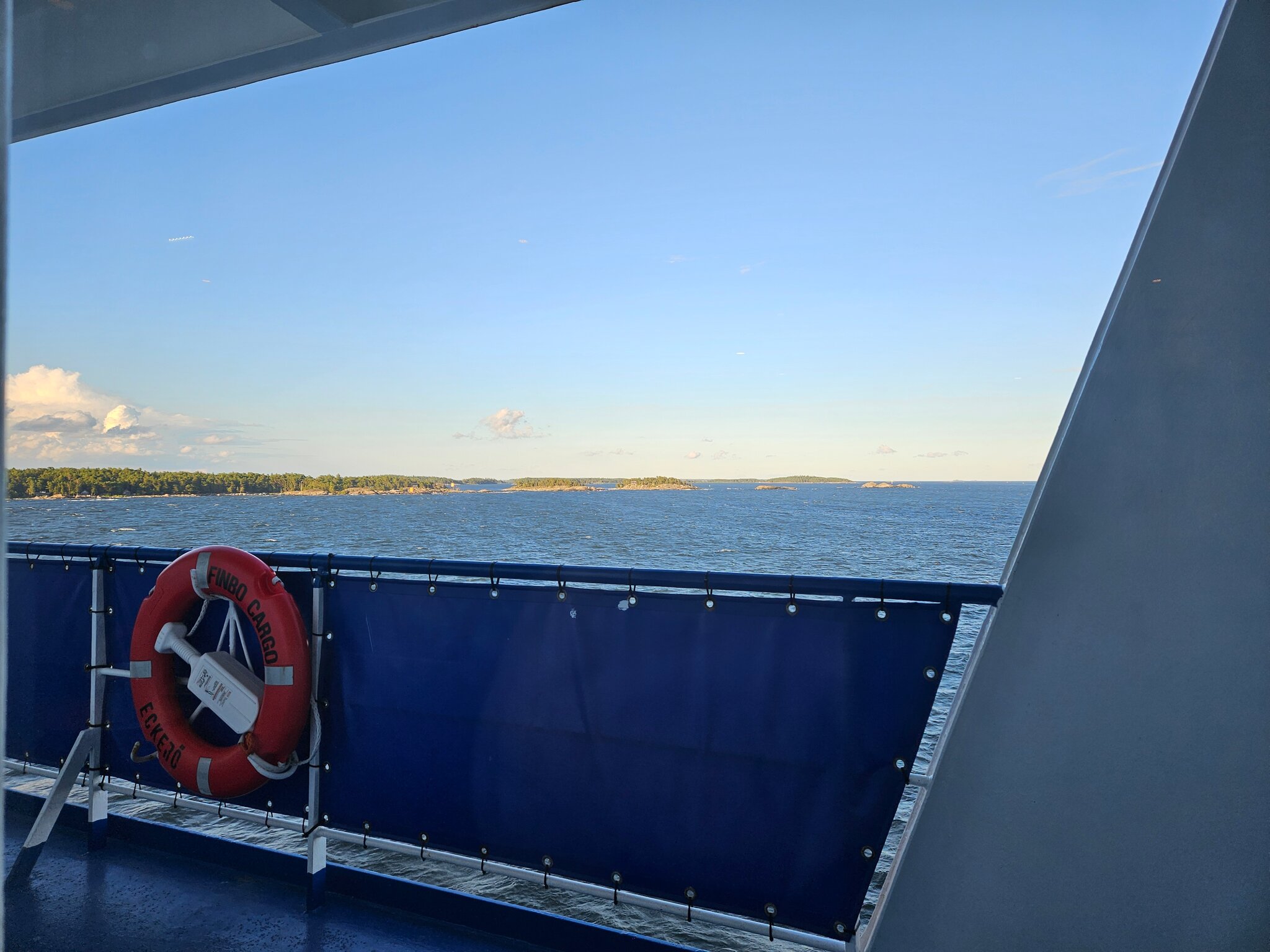
Meie praam saabus õigeaegselt Muuga sadamasse ja olimegi kodus. Viimane sõit läbi hilisõhtuse Tallinna ja selle aasta reis oligi läbi. Nagu alati on koju jõudmise tunne sama mõnus kui reisi alguse tunne.
Our ferry reached Muuga on time and we were home. One last ride through Tallinn late in the evening, and this year’s trip was over. As always, the feeling of coming home is every bit as good as the feeling of setting out.
Meie tänane teekond | Our trip today