
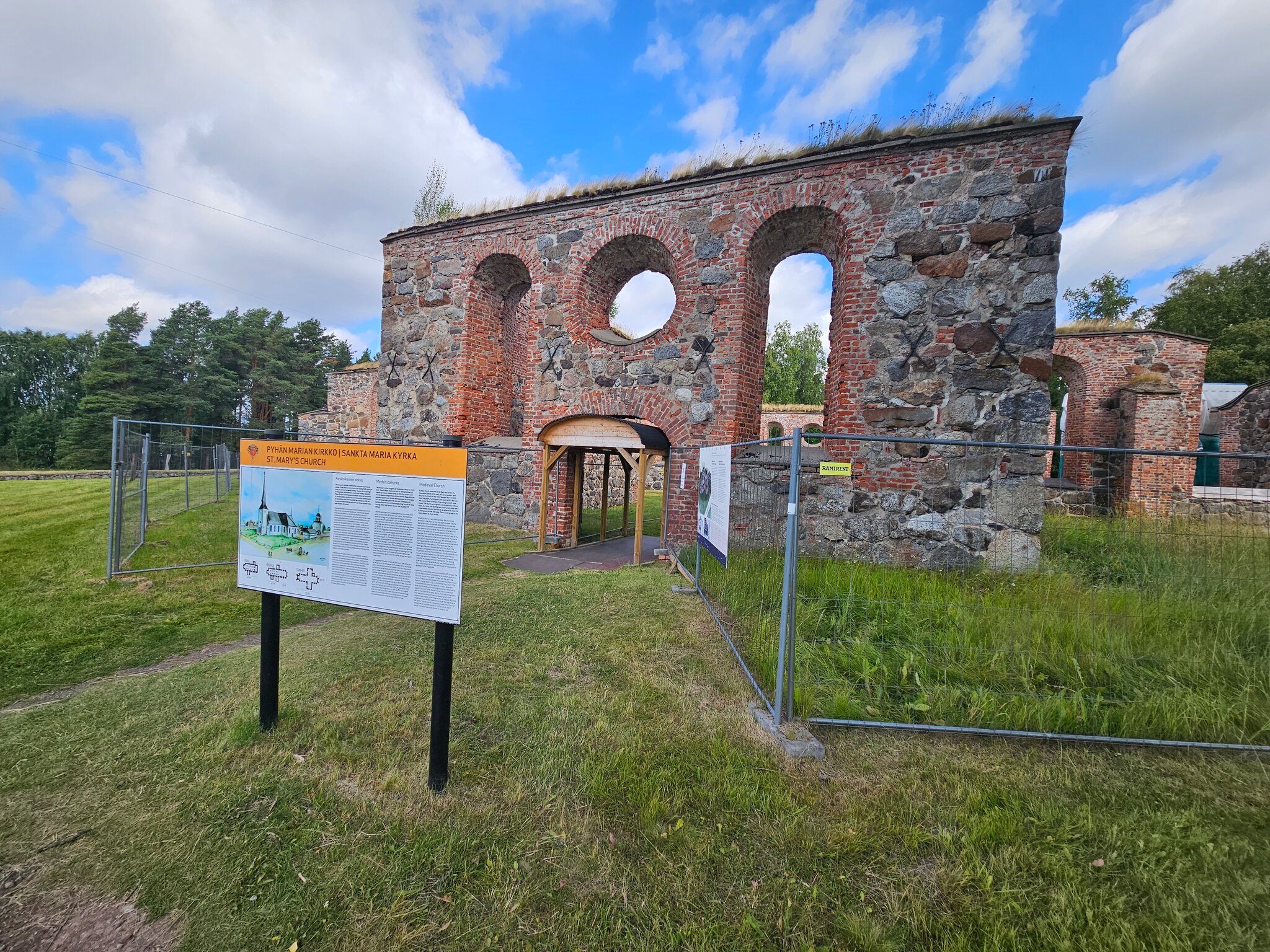
Eilset päeva alustasime Vana Vaasa külastusega. See oli koht, kus linn esialgu asus, aga nagu siinkandis tavaline põles see maha. Järele jäid vaid kiriku varemed ja kooli vundament. Kuna siin maapind tõuseb ja meri taganeb, siis ehitati linn oma uues versioonis üles juba merele lähemal.
Kogu selle hävingu taga oli üksainus piip. 3. augustil 1852 heitis Vöråst pärit purjus talumees magama kaupmees Aureni kuuri, samblahunniku otsa. Ärgates süütas ta poolunes piibu ja pillas selle sambla sisse. Pärast pikka põuda oli linn kuiv nagu püssirohi ja leek kandus majalt majale. Õhtuks oli 379 hoonest alles 24 ja kodutuks oli jäänud kolm tuhat inimest.
We began yesterday with a visit to Old Vaasa. This is where the town originally stood, but — as tends to happen in these parts — it burned down. All that is left are the ruins of the church and the foundations of the school. Because the land here is rising and the sea retreating, the new version of the town was built closer to the water.
Behind all that destruction was a single pipe. On 3 August 1852 a drunken farmer from Vörå lay down to sleep on a pile of moss in merchant Auren’s shed. Waking half-dazed, he lit his pipe and dropped it into the moss. After a long drought the town was as dry as gunpowder and the flames went from house to house. By evening 24 of the 379 buildings were left standing and three thousand people had no home.
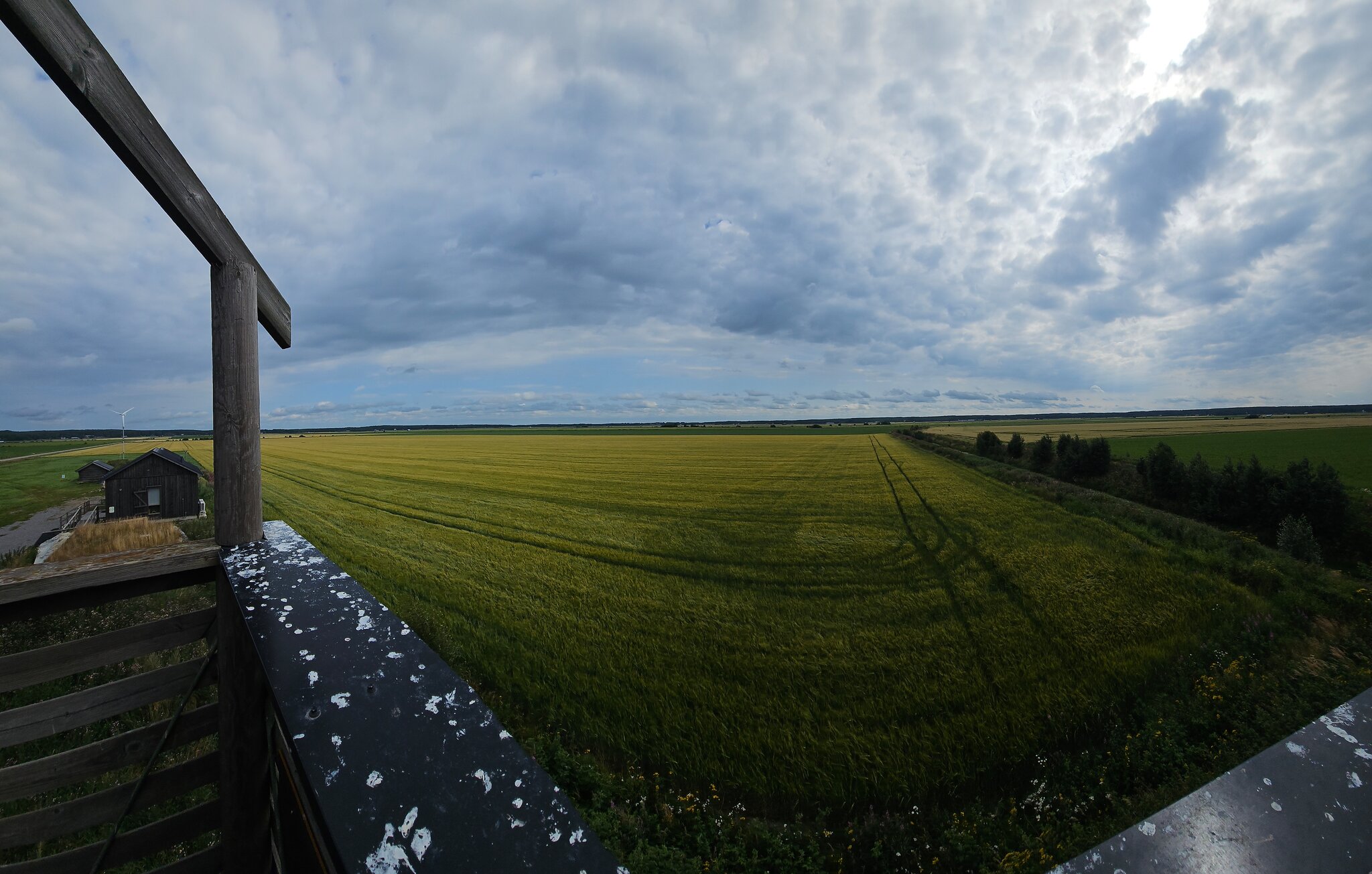
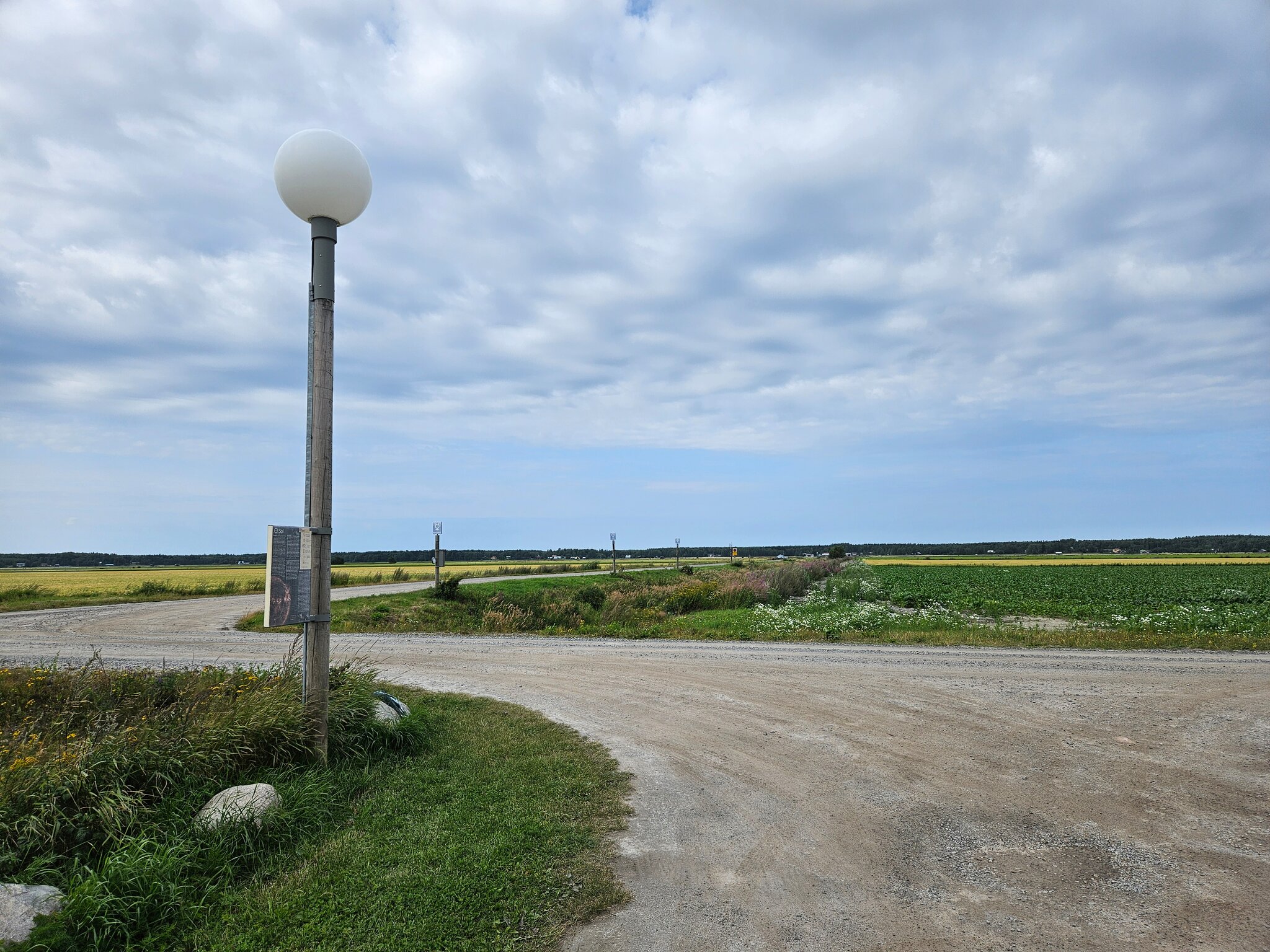
Järgmise peatuse tegime kohas kuhu 520 miljonit aastat tagasi kukkus meteoriit. Ausalt öeldes ei ole sellest eriti midagi aru saada. Väidetavalt tähistab metsapiir meteoriidikraatrit. Sellel ringikujulisel lagedal alal oli päris nutikalt kujundatud päikesesüsteemi mudel. Päikest tähistab 70 cm läbimõõduga klaaskuppel posti otsas ja kõik teised planeedid on samas mõõtkavas kinnitatud tee ääres olevate postide külge. Meie jalutasime Marsini.
Our next stop was a place where a meteorite fell 520 million years ago. To be honest, there is not much to make of it. The treeline is said to mark the crater. On this circular open plain someone had laid out a rather clever scale model of the solar system. The Sun is a glass dome 70 cm across on top of a post, and all the other planets are fixed to posts along the road at the same scale. We walked as far as Mars.
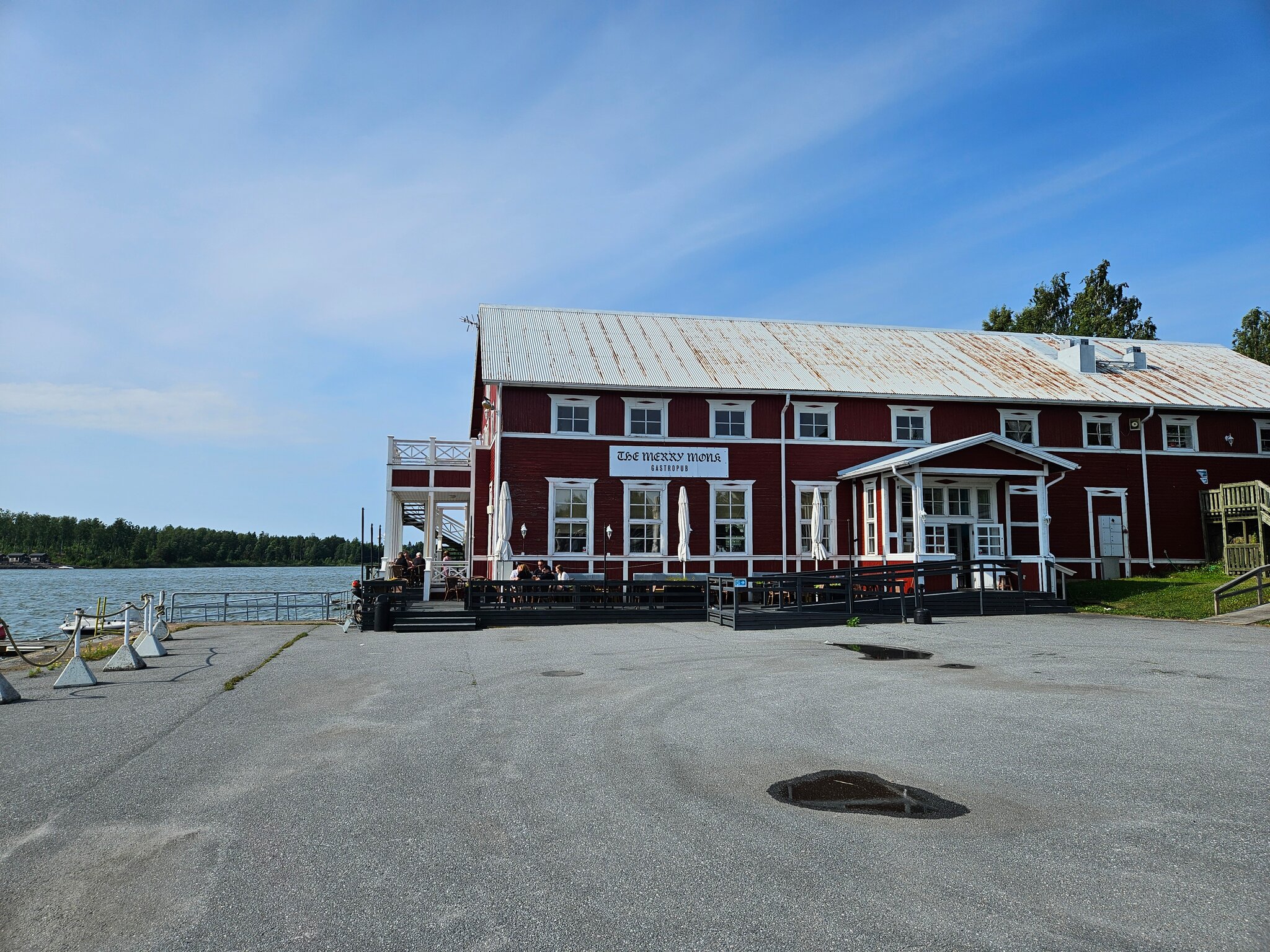
Lõunapeatuse tegime sadamakõrtsis kohas nimega Merikarvia. Tegelikult ei ole tegemist kõrtsi vaid gastropubiga. Jätkasime ka täna kalatoitudega, seekord värskelt püütud koha praega.
We stopped for lunch at a harbour tavern in a place called Merikarvia. Strictly speaking it is not a tavern but a gastropub. We stayed with fish again today — this time freshly caught pikeperch.
Rauma üllatas väga armsa vanalinnaga. Kuigi Rauma põles maha isegi kaks korda – 1640 ja 1682, oli linn sel ajal nii vaene, et erinevalt Rootsi linnadest ehitati ka uued majad puust. Sillutatud tänavad ja erksavärvilised majad loovad väga hubase õhkkonna.
Rauma surprised us with a delightful old town. Although Rauma burned down twice — in 1640 and 1682 — the town was so poor at the time that, unlike the Swedish towns, the new houses too were built of wood. The paved streets and brightly coloured houses make for a very cosy atmosphere.
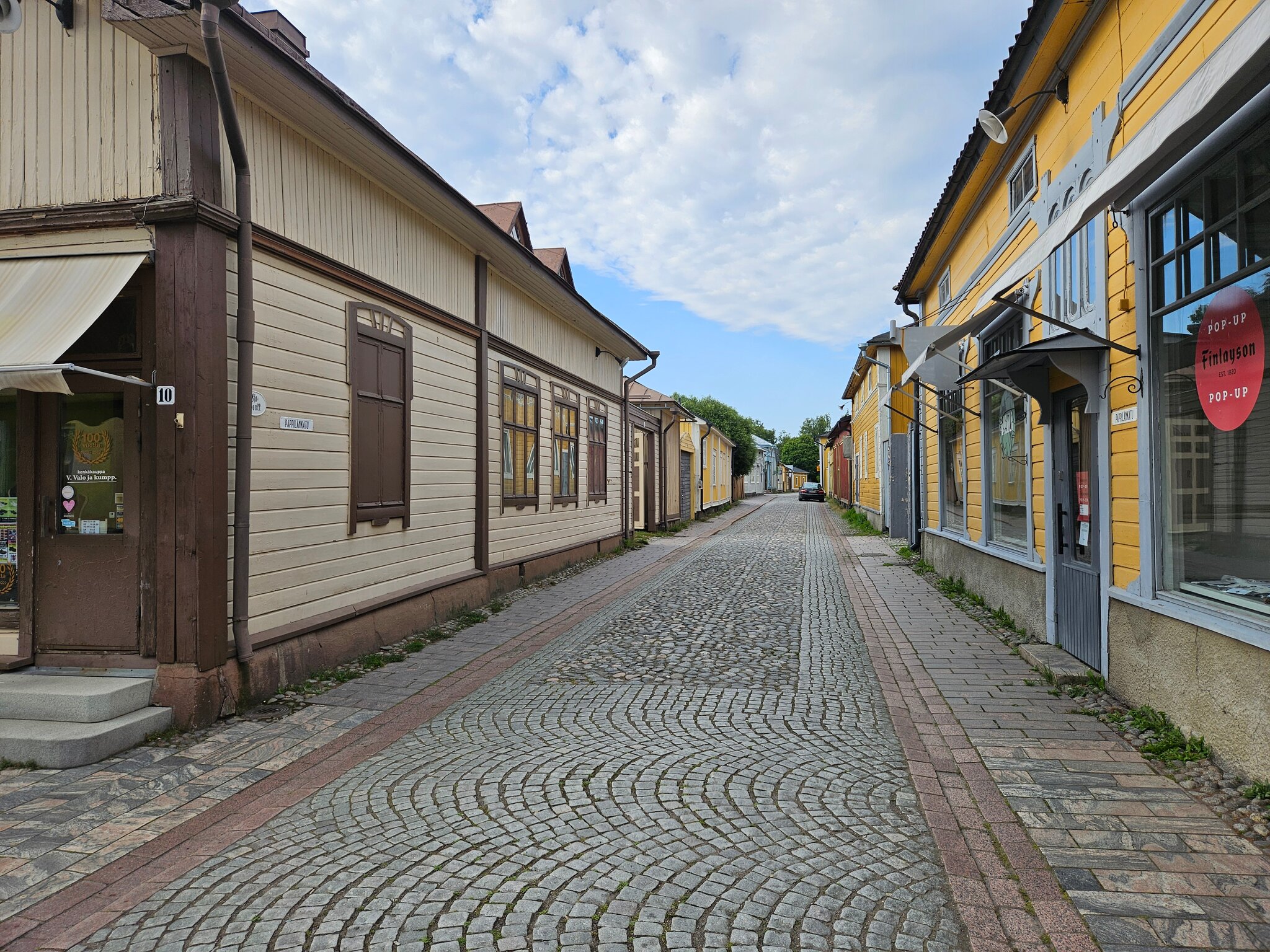
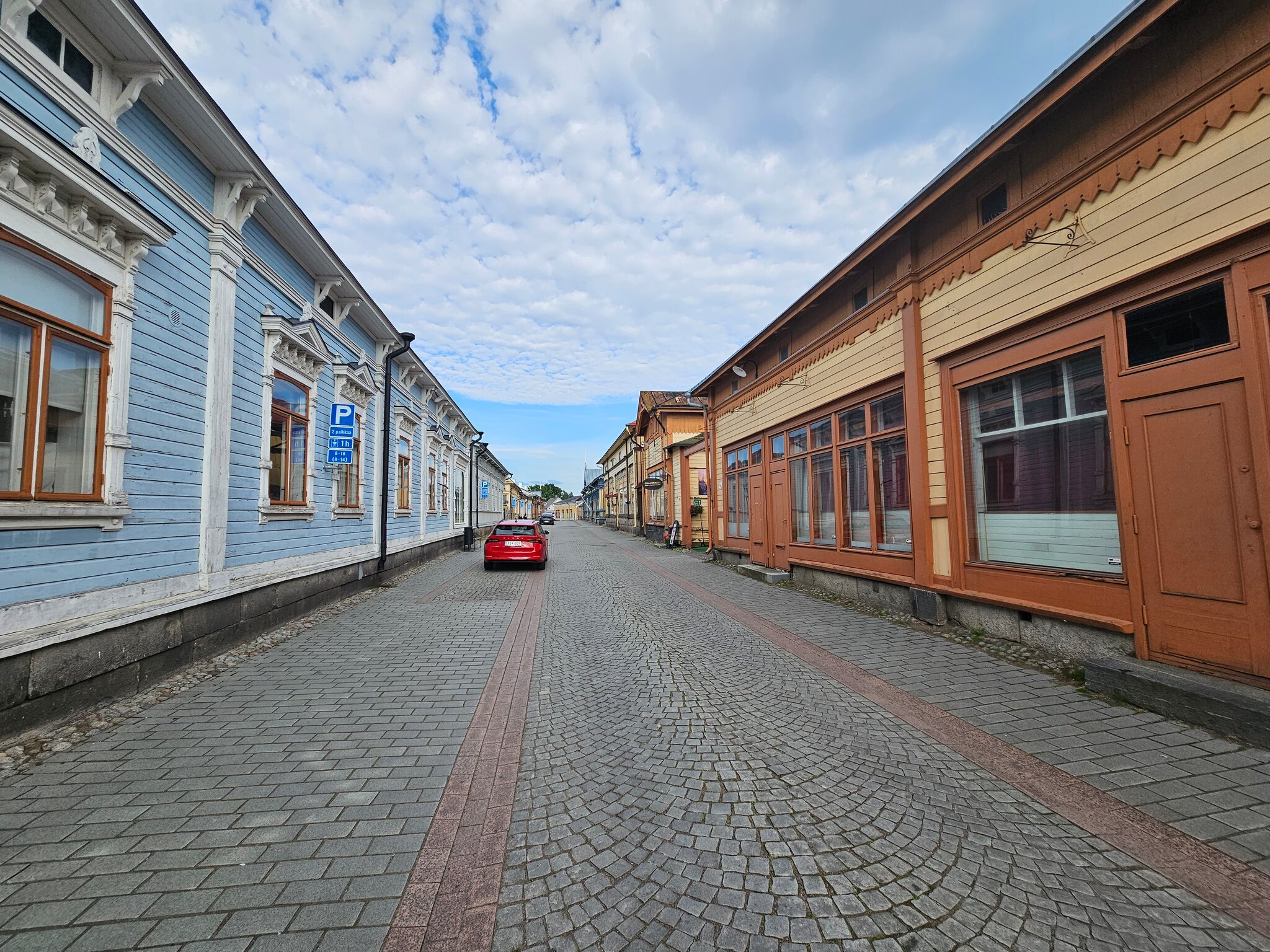
Rauma on üks Soome vanimaid linnu — linnaõigused sai ta 1442. aastal. 1550. aastal käskis Rootsi kuningas Gustav Vasa raumalastel kolida oma vastrajatud Helsingisse. Sama käsk anti Porvoo, Ulvila ja Tammisaare kodanikele ning sõnakuulmatuid ähvardati kaubandusõiguste äravõtmisega. Uus linn pidi tõmbama kaubateed eemale Tallinnast ja hansalinnadest.
Plaan ei õnnestunud. Osa raumalasi läks, aga linn ei jäänud tühjaks ning Helsingist ei saanud veel terve sajandi jooksul midagi enamat kui väike asula Vantaa jõe suudmes. Rauma jäi sinna, kus ta oli.
Rauma is one of Finland’s oldest towns; it received its town charter in 1442. In 1550 the Swedish king Gustav Vasa ordered the people of Rauma to move to his newly founded Helsinki. The same order went to the burghers of Porvoo, Ulvila and Tammisaari, and those who disobeyed were threatened with the loss of their trading rights. The new town was meant to pull the trade routes away from Tallinn and the Hanseatic ports.
The plan did not work. Some of Rauma’s people went, but the town was not emptied, and for another whole century Helsinki remained little more than a small settlement at the mouth of the Vantaa river. Rauma stayed where it was.
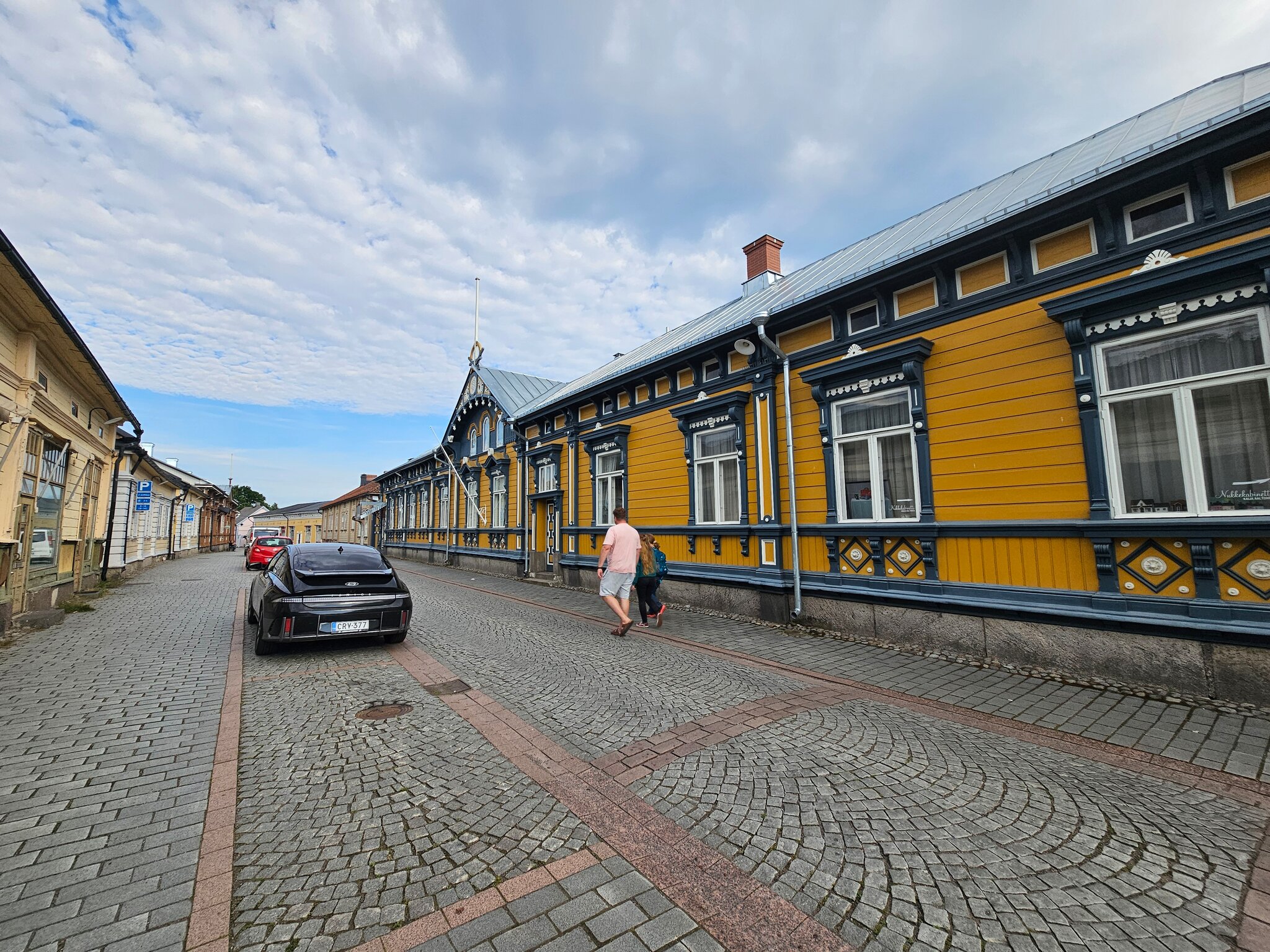
Rauma rikkus tuli merelt ja pitsist. 19. sajandil oli linnal üks Soome suuremaid purjelaevastikke ja niplispitsi tegemine toitis pool linna — pitsinaiste tööd müüdi laatadel üle kogu maa. Pitsinädalat peetakse Raumas siiani igal suvel.
Vanalinn ise on Põhjamaade suurim ühtne puitlinn ja kuulub 1991. aastast UNESCO maailmapärandi nimekirja. Tegemist ei ole muuseumiga: enamikus neist majadest elatakse ja töötatakse edasi.
Rauma’s wealth came from the sea and from lace. In the 19th century the town had one of the largest sailing fleets in Finland, and bobbin lace kept half of it fed — the lacemakers’ work was sold at markets all over the country. Rauma still holds its Lace Week every summer.
The old town itself is the largest unified wooden town in the Nordic countries and has been on the UNESCO World Heritage list since 1991. It is not a museum: most of these houses are still lived and worked in.
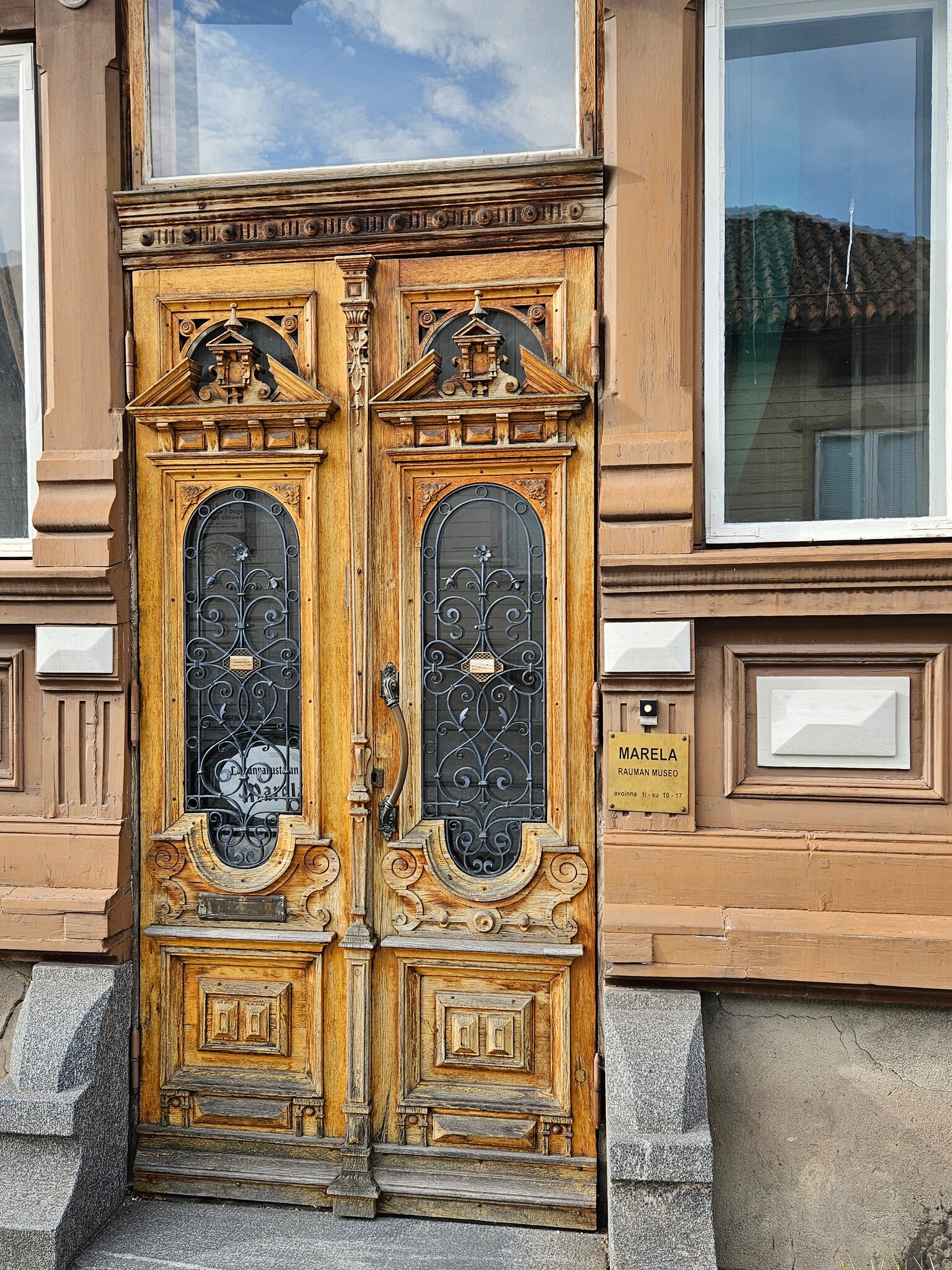
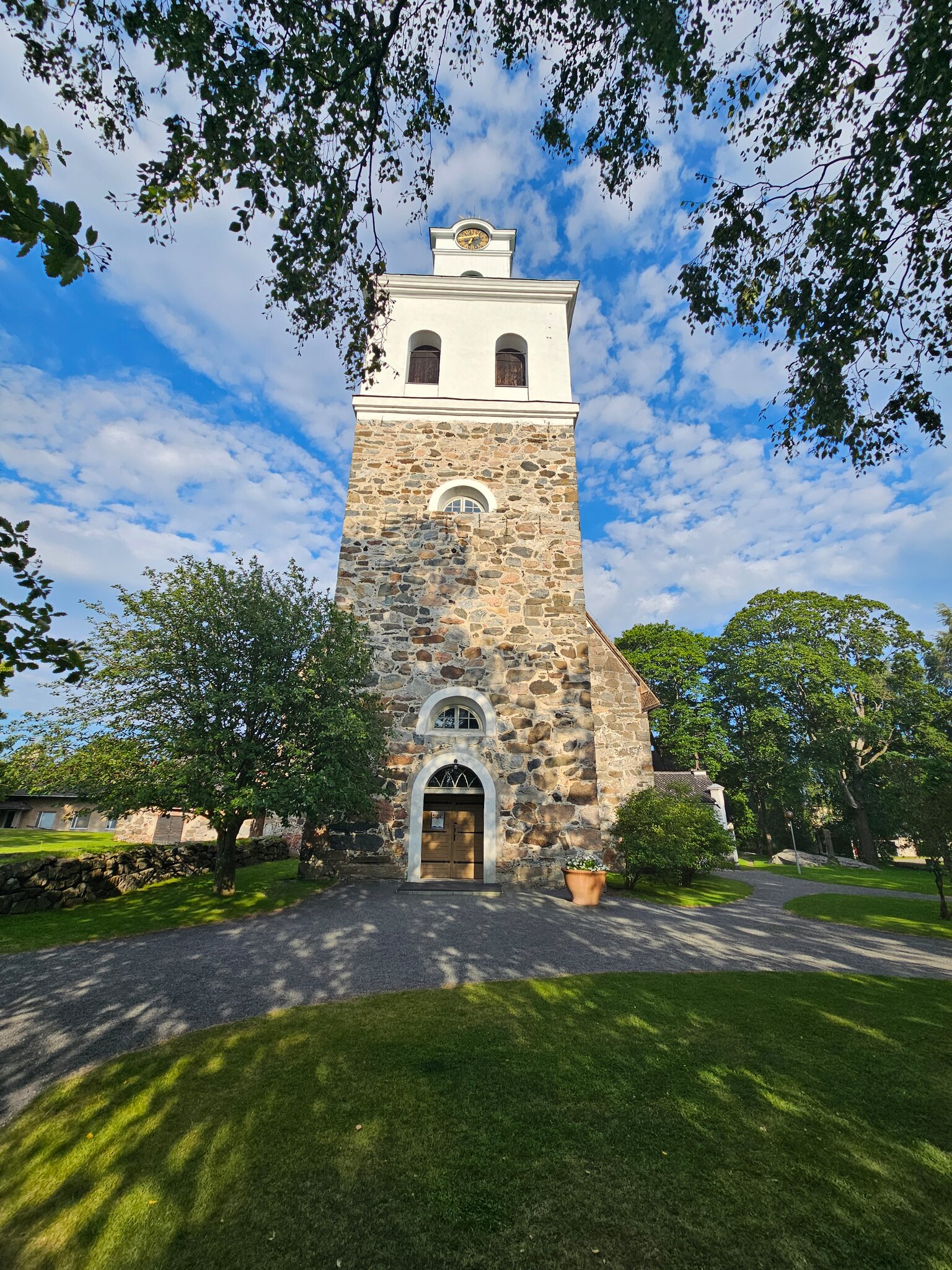
Püha Risti kirik ehitati frantsiskaanide kloostrikirikuks — puukirik seisis siin 1420. aasta paiku, praegune hallist graniidist hoone valmis arvatavasti aastatel 1515–1520. Frantsiskaanid ei olnud mungad selle sõna tavatähenduses. Munk andis tõotuse jääda oma kloostri müüride vahele; frantsiskaan oli kerjusvend, kes elas rahva keskel, jutlustas turuplatsil ja elatus almustest. Just seepärast seisab see klooster keset linna, mitte kusagil metsa taga.
1538. aastal tegi reformatsioon kloostrile lõpu ja vennad saadeti minema. Kirik seisis sada aastat tühjana. Kui 1640. aasta tulekahi hävitas Püha Kolmainu kiriku, sai endisest kloostrikirikust linna peakirik — nii muutus katoliku kloostrikirik luterlikuks. Püha Kolmainu varemed said 1816. aastal uue elu: nende kividest laoti üles kellatorn, mille valge tipp oli meremeestele maamärgiks.
The Church of the Holy Cross was built as the friary church of the Franciscans — a wooden church stood here around 1420, and the present grey granite building was most likely finished between 1515 and 1520. The Franciscans were not monks in the ordinary sense of the word. A monk vows to stay within the walls of his monastery; a Franciscan was a mendicant friar who lived among people, preached in the market square and lived on alms. That is exactly why this friary stands in the middle of the town rather than somewhere out in the forest.
In 1538 the Reformation put an end to the friary and the brothers were sent away. The church stood empty for a hundred years. When the fire of 1640 destroyed the Church of the Holy Trinity, the former friary church became the town’s main church — and so a Catholic friary church turned Lutheran. The ruins of the Holy Trinity were given a second life in 1816: its stones were used to build the bell tower, whose white top served as a landmark for sailors.
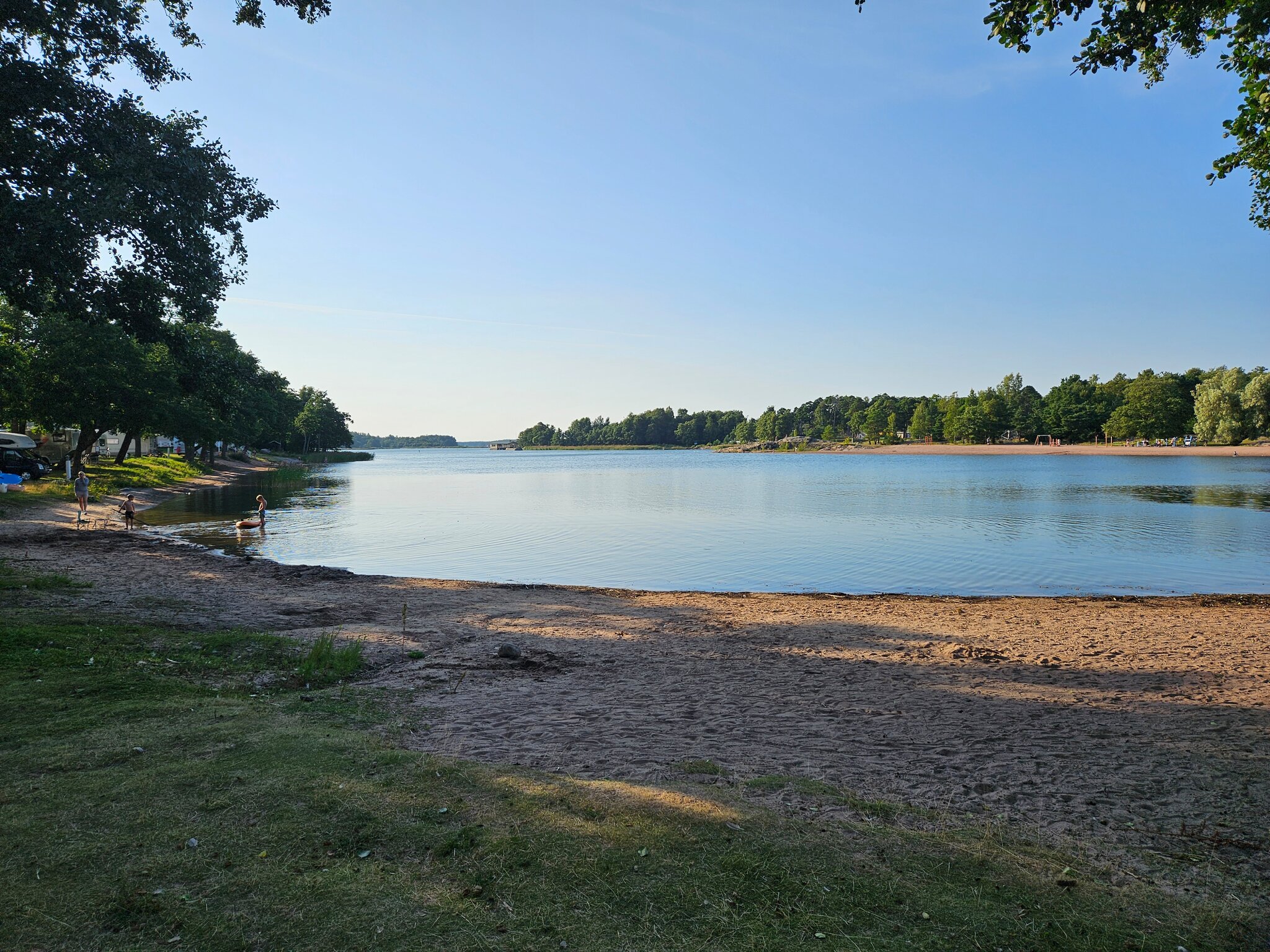
Jääaeg ei ole siit veel päriselt lahkunud. Maa tõuseb Põhjalahe rannikul kuni üheksa millimeetrit aastas ja meri taganeb koos sellega — igal aastal kerkib merest umbes 700 hektarit uut Soomet. Vanalinnas on koht, kus kunagi oli sadam ja kus laevad tõesti sildusid; tänaseks tuleb sealt mereni jalutada paar kilomeetrit. Meie selle jalutuskäigu ka ette võtsime ja jõudsime vee äärde alles õhtuks.
Ja lohutuseks: kui maailmamere tase tõuseb, siis siinkandis tõuseb maa esialgu ikka veel kiiremini. Soomlastel on globaalse soojenemise vastu olemas oma looduslik riskimaandus.
The Ice Age has not quite finished leaving. Along the Gulf of Bothnia the land rises by up to nine millimetres a year and the sea retreats with it — about 700 hectares of new Finland come up out of the water every year. In the old town there is a spot that was once the harbour, where ships really did tie up; today it is a couple of kilometres’ walk from there to the sea. We made that walk too, and reached the water only towards evening.
And a consoling thought: if the world’s sea level rises, here the land is for now still rising faster. The Finns have their own natural hedge against global warming.
Rauma ei ole ainult pits ja puumajad. Siinne Rauma-Repola laevatehas ehitas 1987. aastal Nõukogude Teaduste Akadeemiale kaks süvamere allveelaeva, Mir-1 ja Mir-2, mille töösügavus oli 6000 meetrit.
Ameeriklased olid CoComi ekspordiloa andnud peamiselt sellepärast, et nad ei uskunud soomlaste hakkamasaamist. Kui laevad tööle hakkasid, tekkis Pentagonis paanika — kardeti, et nõukogude laevastik hakkab ookeanipõhjast Ameerika pealtkuulamisseadmeid üles korjama. Rauma-Repolat ähvardati eraviisiliselt sanktsioonidega ja firma, kellel oli kaalul kogu naftaplatvormide äri, tõmbus tagasi. Sellega lõppes Soome süvamerelaevaehitus ära.
Mirid ise töötasid veel aastakümneid: nendega filmiti Titanicu vrakki 3821 meetri sügavusel ja 2007. aastal viidi nendega esimesed inimesed Põhjapooluse-aluse merepõhjani. Võrdluseks — 2023. aasta suvel purunes Titanicu juurde laskudes OceanGate’i sertifitseerimata Titan ja viis inimest hukkus. Vahel tasub lasta laev ehitada Soome laevatehases.
Rauma is not only lace and wooden houses. In 1987 the Rauma-Repola yard here built two deep-sea submersibles for the Soviet Academy of Sciences, Mir-1 and Mir-2, with a working depth of 6,000 metres.
The Americans had granted the CoCom export licence largely because they did not believe the Finns could pull it off. When the craft worked, there was panic in the Pentagon — the fear was that the Soviet fleet would start lifting American listening devices off the ocean floor. Rauma-Repola was privately threatened with sanctions, and the company, with its entire oil-platform business at stake, backed down. That was the end of deep-sea submersible building in Finland.
The Mirs themselves went on working for decades: they filmed the wreck of the Titanic at a depth of 3,821 metres, and in 2007 they carried the first people ever to reach the seabed beneath the North Pole. For comparison — in the summer of 2023 OceanGate’s uncertified Titan imploded on its way down to the Titanic and five people died. Sometimes it is worth having your vessel built in a Finnish shipyard.
Meie tänane teekond | Our trip today