
Tänase päeva eesmärgiks oli läbida Transfagarasani maantee. See on Rumeenia kõige kõrgemal asuv asfalteeritud tee. Räägitakse, et see on kõigi mootorratturite unistuste teekond 🙂 GPS näitas kõrguseks umbes 2000m. Selle maantee lasi 70ndatel ehitada Ceausescu, kes kartis, et venelased tungivad sisse Rumeeniasse (nagu 1968ndal aastal Tsehhoslovakkiasse). Tee ehitati valmis 4,5 aastaga. Lonely Planeti andmetel kulutati sealjuures 6 miljonit kg dünamiiti ja ehituse käigus hukkus mitteametlikel andmetel 38 teed ehitanud sõdurit.
Today’s goal was to traverse the Transfăgărășan highway. This is Romania’s highest paved road. It’s said to be every motorcyclist’s dream route 🙂 The GPS showed an altitude of about 2000m. This highway was built in the 1970s by Ceaușescu, who feared that the Russians would invade Romania (as they did Czechoslovakia in 1968). The road was completed in 4.5 years. According to Lonely Planet, 6 million kg of dynamite were used, and according to unofficial data, 38 soldiers building the road died during construction.
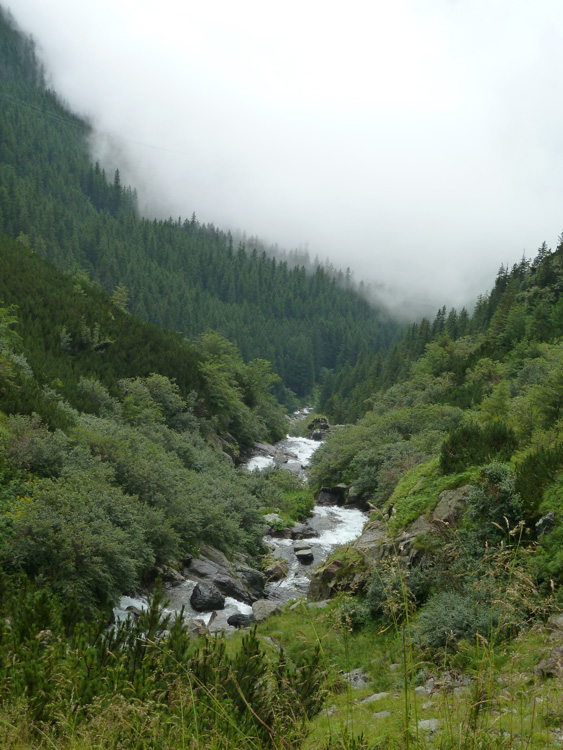
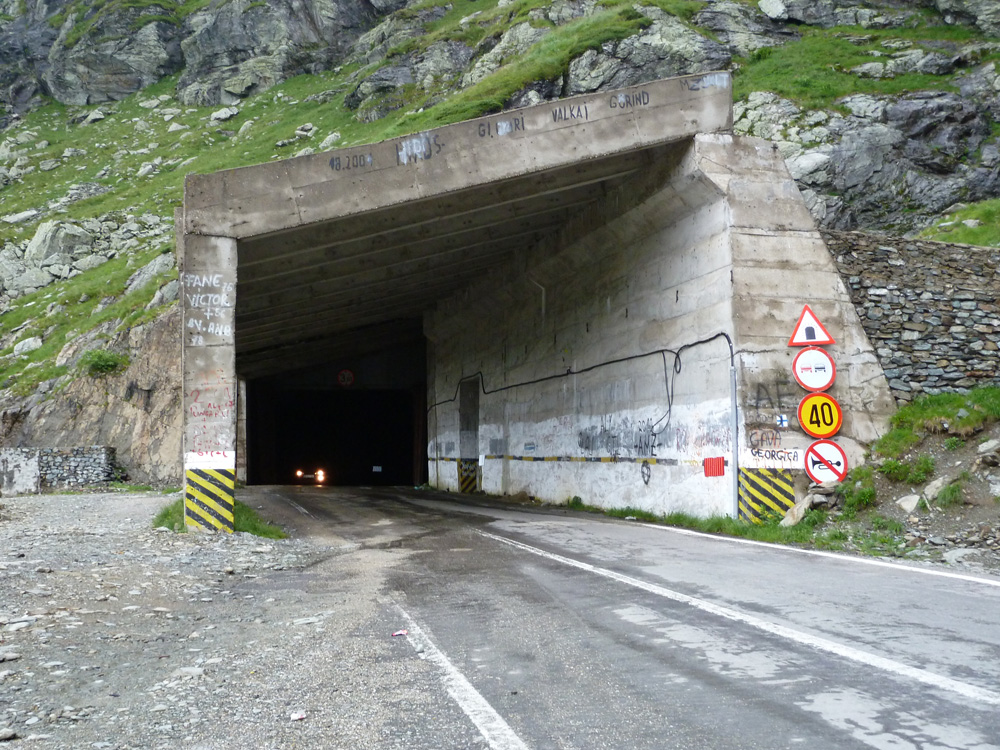
Tee oli tõepoolest väga maaliline, mööda mäekülgi looklev ja ühes kohas nägime isegi lund. Tegemist on tõesti populaarse turismiobjektiga. Igal pool oli palju telkijaid. Mäetipus läbib tee umbes 900 m pikkuse tunneli. Elus esimest korda sõitsime tunnelis, mis oli valgustamata. Päris jube tunne oli, sest nähtavus oli hoolimata tuledest kehv.
The road was indeed very picturesque, winding along mountain slopes, and in one place we even saw snow. This is truly a popular tourist destination. There were many campers everywhere. At the mountain top, the road passes through an approximately 900 m long tunnel. For the first time in our lives we rode through a tunnel that was unlit. It was a really terrible feeling, because visibility was poor despite our lights.

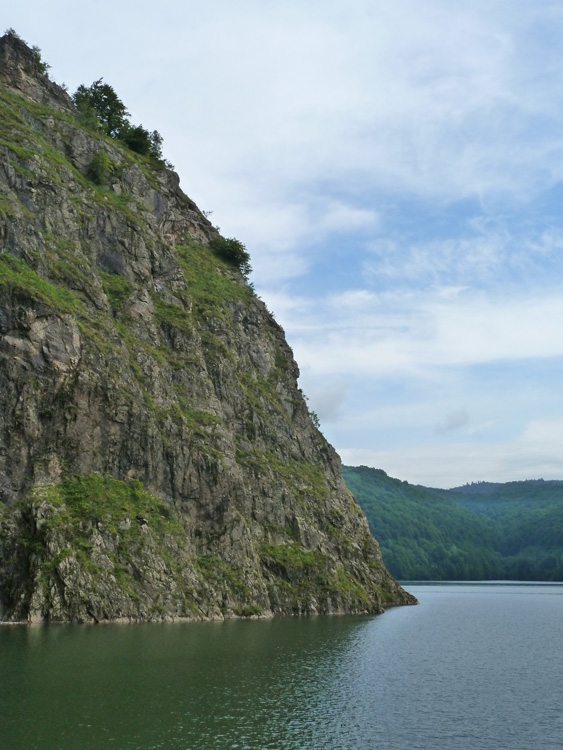
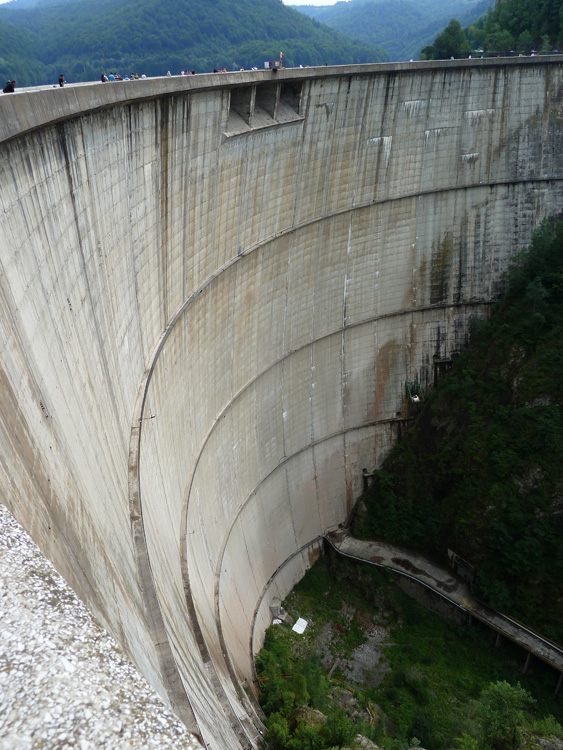
Mäe teisel küljel laskus tee ilusa Vidraru paisjärve äärde. Eriti muljetavaldav on tamm, mille taga järv seisab. Selle kõrgus on üle 160 m. Tammil oli ka platvorm benji hüpete tegemiseks, aga meie ühtegi hüppajat ei näinud.
On the other side of the mountain, the road descended to the beautiful Vidraru reservoir. Particularly impressive is the dam behind which the lake sits. Its height is over 160 m. The dam also had a platform for bungee jumping, but we didn’t see any jumpers.
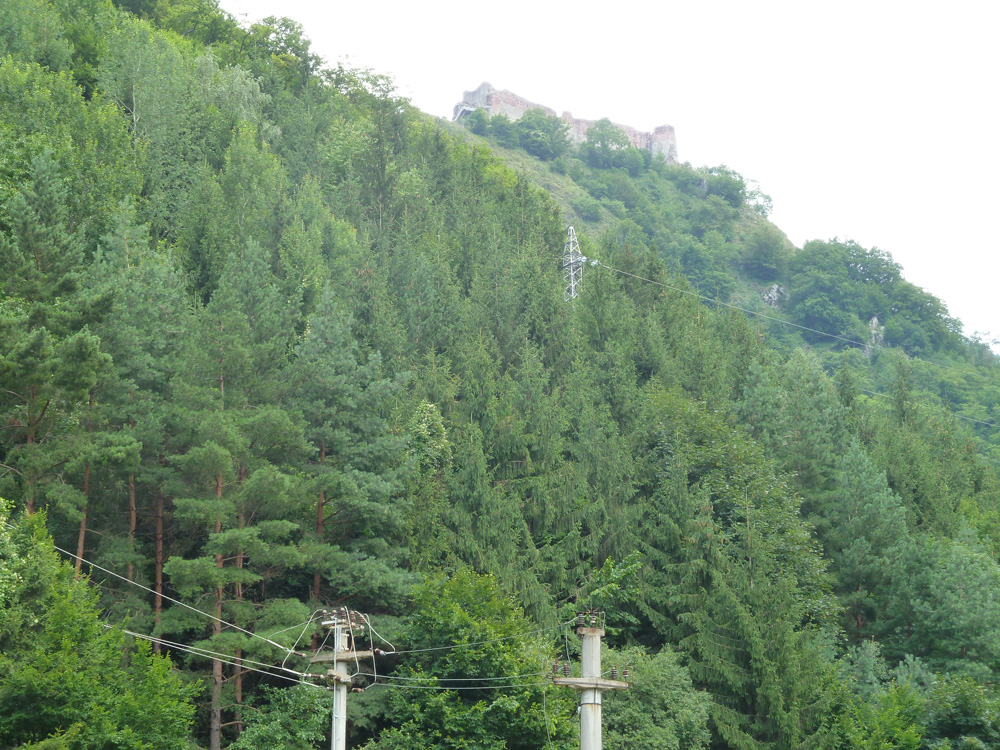
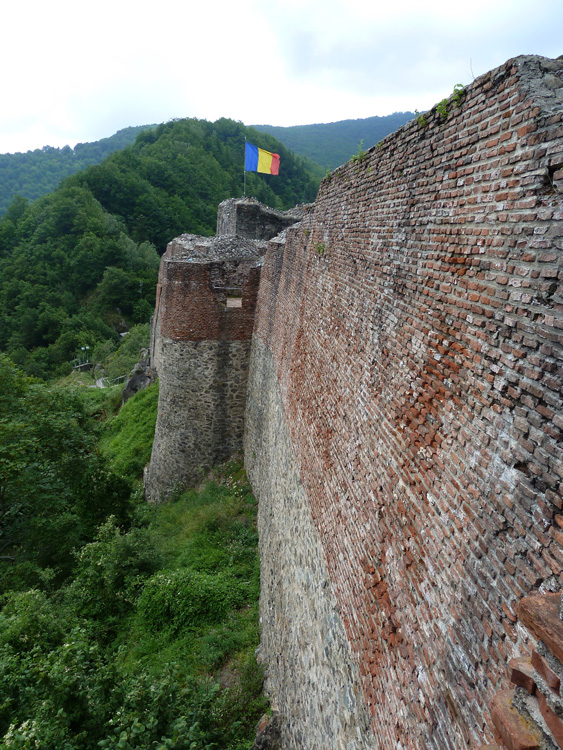
Varsti jõudsime Poienari kindluse juurde. Hoopis see pidavat olema õige Dracula kindlus, sest siin toimetas 1450ndatel Vlad Țepeș, kelle hüüdnimeks oli Dracula. Kindlus asub kõrgel mäe otsas ja selleni jõudmiseks tuleb üles ronida 1480st trapiastmest. Meie tsiklikostüümides ei olnud see sugugi lihtne ettevõtmine. Kui me üleval kindluse müüril vett jõime ja pirukat sõime, tundus nagu oleks kuulda olnud eesti keelt.
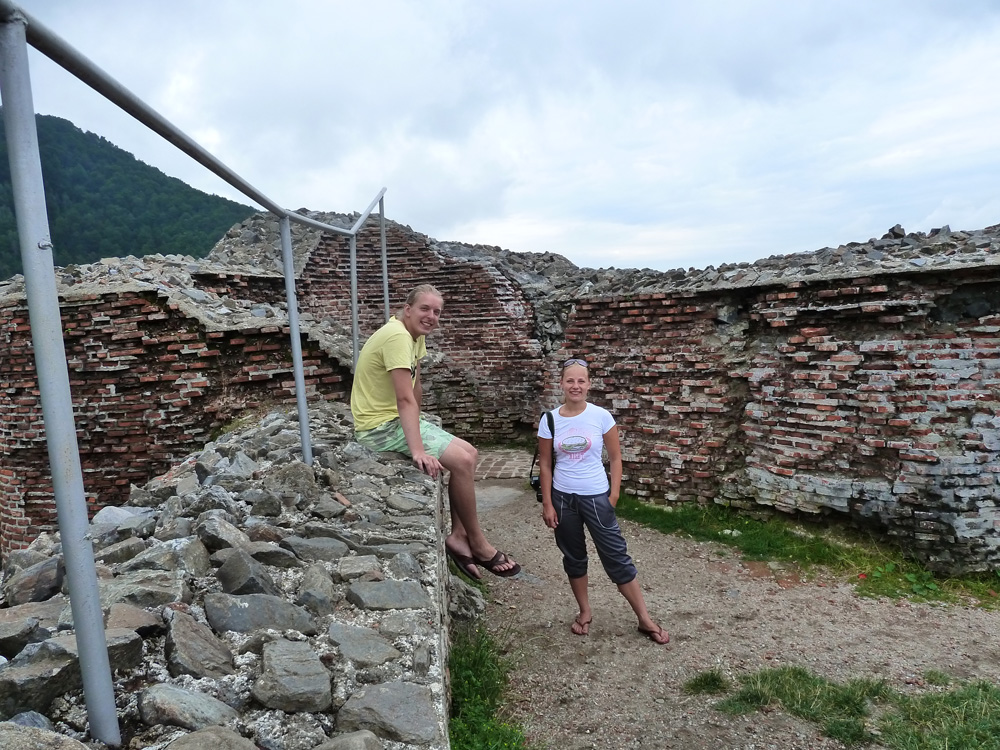
Alguses arvasime, et oleme mäkke ronimisest nii kurnatud, et asjad hakkavad viirastuma. Selgus, et nii hull asi siiski ei ole ja meie kõrval tegidki pilti noormees ja neiu Eestist. Nemad olid läbinud meiega analoogilise teekonna läbi Poola, Slovakkia ja Ungari, kuid kuid teinud seda hääletades. Hea oli eesti keeles reisimuljeid vahetada.
Soon we reached Poienari fortress. This is supposed to be the real Dracula’s castle, because Vlad Țepeș, whose nickname was Dracula, operated here in the 1450s. The fortress is located high on a mountaintop and to reach it you have to climb 1480 steps. In our motorcycle gear, this was not a simple undertaking at all. When we were up on the fortress wall drinking water and eating pastries, it seemed like we could hear Estonian being spoken.
At first we thought we were so exhausted from climbing the mountain that things were starting to appear as mirages. It turned out that things weren’t that bad after all, and next to us a young man and woman from Estonia were indeed taking pictures. They had traveled a route similar to ours through Poland, Slovakia and Hungary, but had done it by hitchhiking. It was good to exchange travel impressions in Estonian.
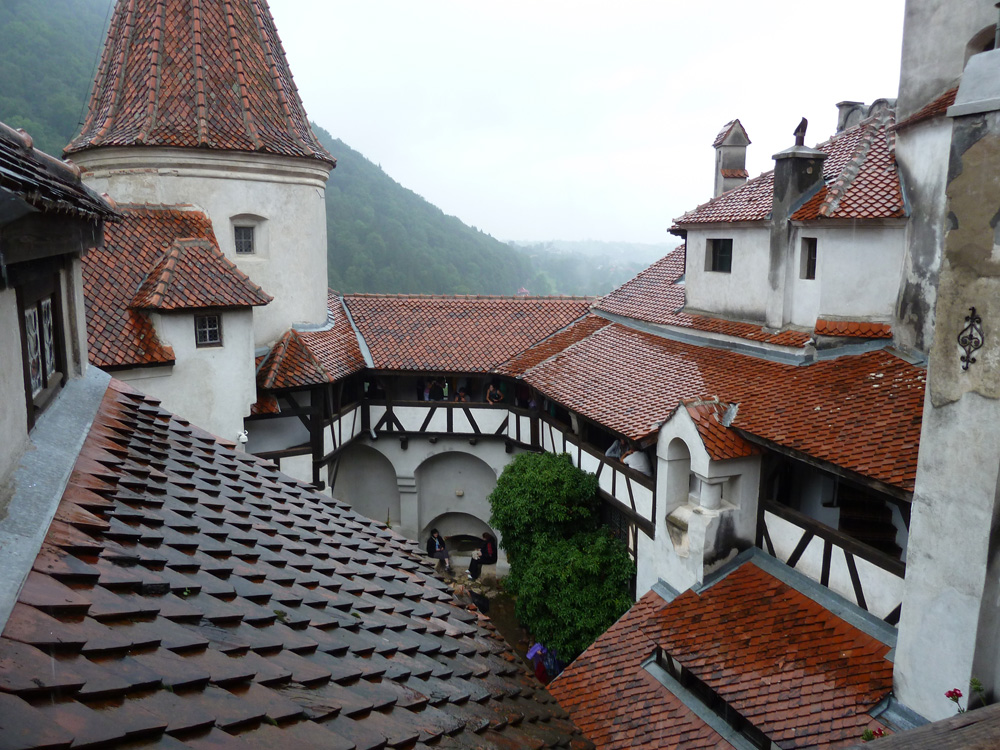
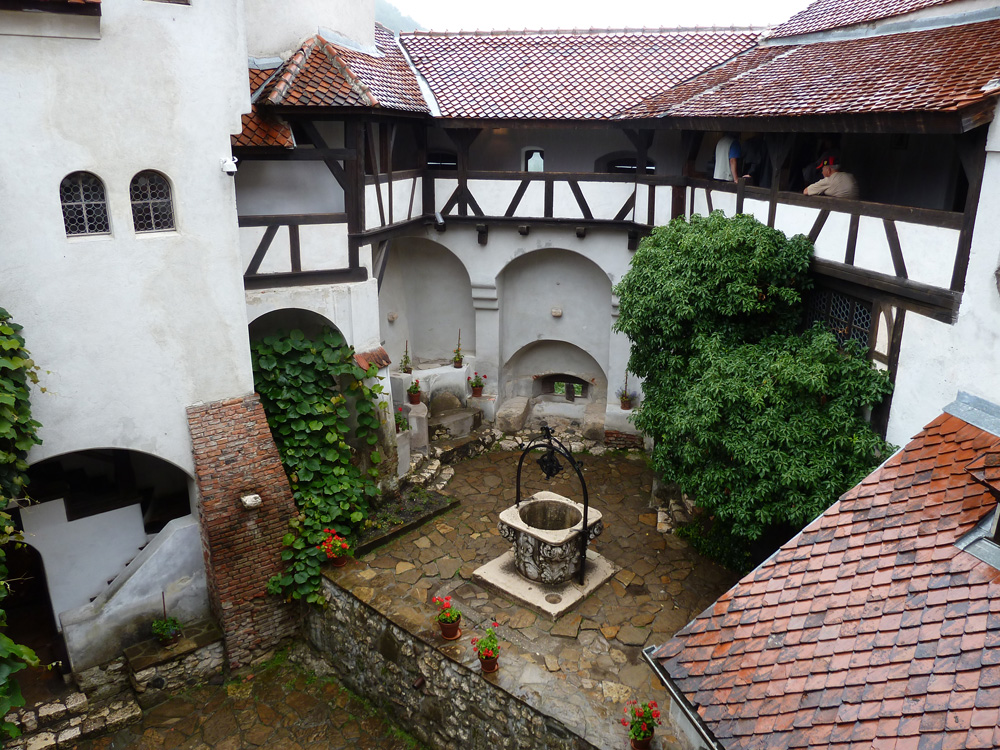
Viimane päeva vaatamisväärsus oli Bran’i loss, milleni jõudsime läbi vihmasaju. Brani loss, mida nimetatakse ka Dracula lossiks ei ole tegelikult Vlad Țepesiga eriti seotud. On võimalus, et ta veetis seal ühe öö, aga seegi ei ole kindel. Hoopis olulisemaks lossiga seotud isikuks on Rumeenia kuninganna Marie, kes elas lossis 1920ndatest aastatest kuni oma surmani. Loss nägi välja väga kena ja üldse mitte sünge.
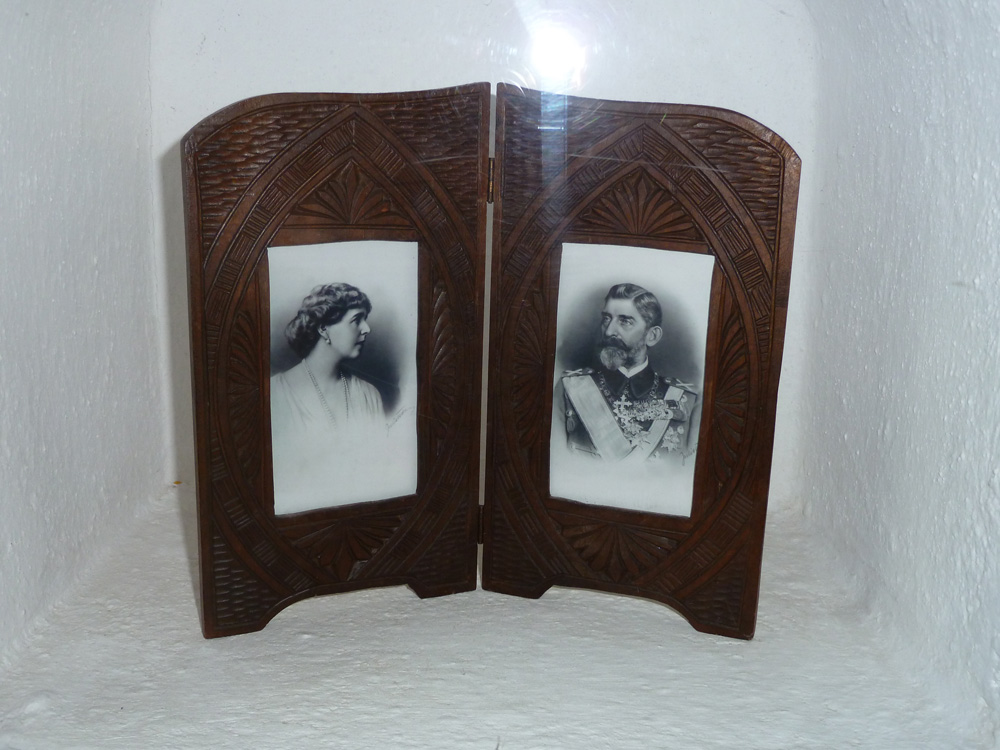
Kuninganna Marie oli väga muljetavaldav naine. Tal oli kuus last, ta oli hea sulega (tema eluajal avaldati 15 tema raamatut) ja kuigi teda eriti poliitika juurde ei lastud, teenis ta ära diplomaatide austuse 1. maailmasõja järgsel rahukonverentsil.
The last attraction of the day was Bran Castle, which we reached through rainfall. Bran Castle, also called Dracula’s Castle, is not actually very connected to Vlad Țepeș. It’s possible that he spent one night there, but even that is not certain. A much more important person connected to the castle is Romanian Queen Marie, who lived in the castle from the 1920s until her death. The castle looked very nice and not at all sinister.
Queen Marie was a very impressive woman. She had six children, she was good with the pen (15 of her books were published during her lifetime), and although she wasn’t really allowed into politics, she earned the respect of diplomats at the peace conference after World War I.