
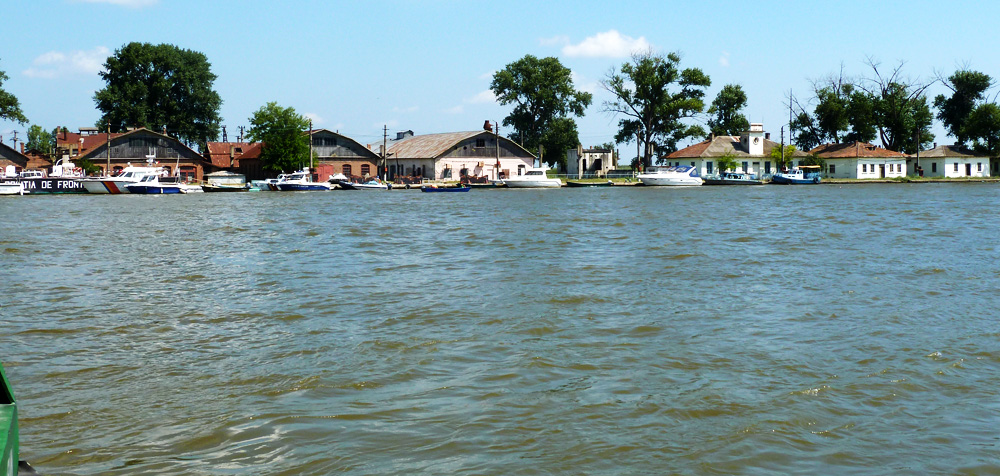
Täna jõudsime põhimõtteliselt oma reisi lõpppunkti Musta mere ääres, kui ühel ringreisil üldse sellist olla saab. Istusime hommikul tiiburlaevale ja sõitsime linnakesse või külasse nimega Sulina. See on üsna omapärane asula, mis asub Doonau ühe haru (deltas on neid ikka päris mitu) suudmes. Kohale saab ainult mööda jõge. Ühtegi maanteed (ega ka muud maismaa teed) sinna ei lähe. Peale esimest maailmasõda oli seal Lonely Planeti andmetel vabasadam, kus kreeklased olid tublisti toimetanud. 1955ndal aastal lõid kommud nad sealt minema ja peale seda olevat linnake tasapisi alla käinud. Nüüd tundub, et tänu turismile liiguvad asjad jälle ülesmäge.
Today we basically reached the endpoint of our trip at the Black Sea, if such a thing can exist on a round trip. In the morning we boarded a hydrofoil and rode to a small town or village called Sulina. It’s quite a unique settlement located at the mouth of one of the Danube’s branches (there are quite a few in the delta). You can only get there by river. No highway (nor any other land road) goes there. After World War I, according to Lonely Planet, there was a free port there where Greeks had been busily working. In 1955 the communists drove them away and after that the town gradually declined. Now it seems that thanks to tourism, things are moving upward again.


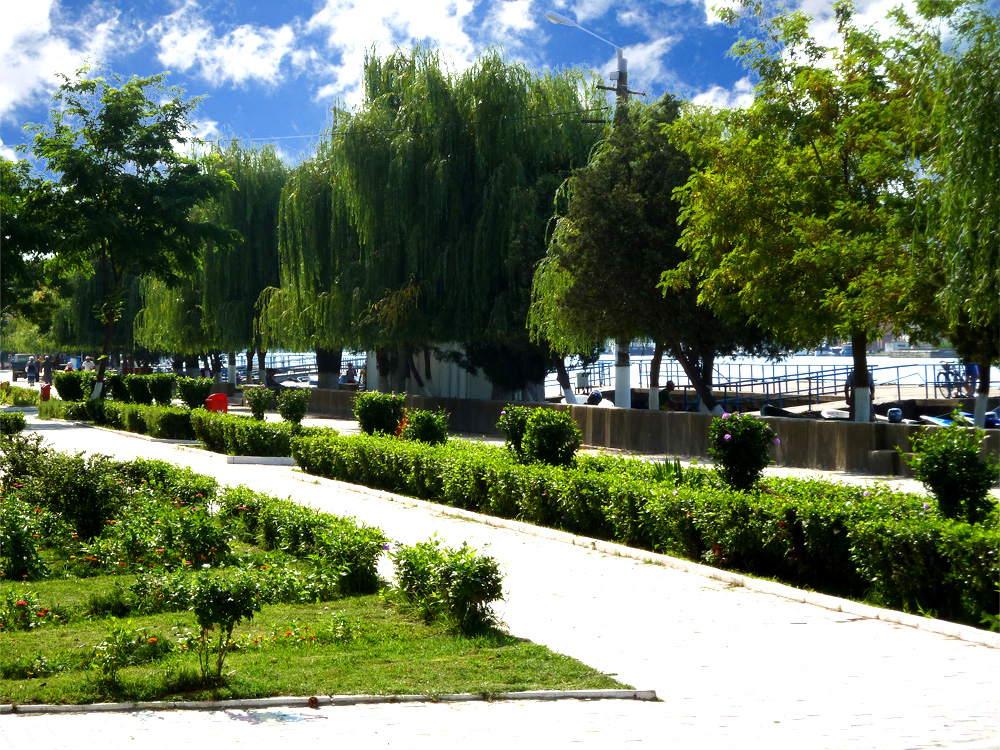
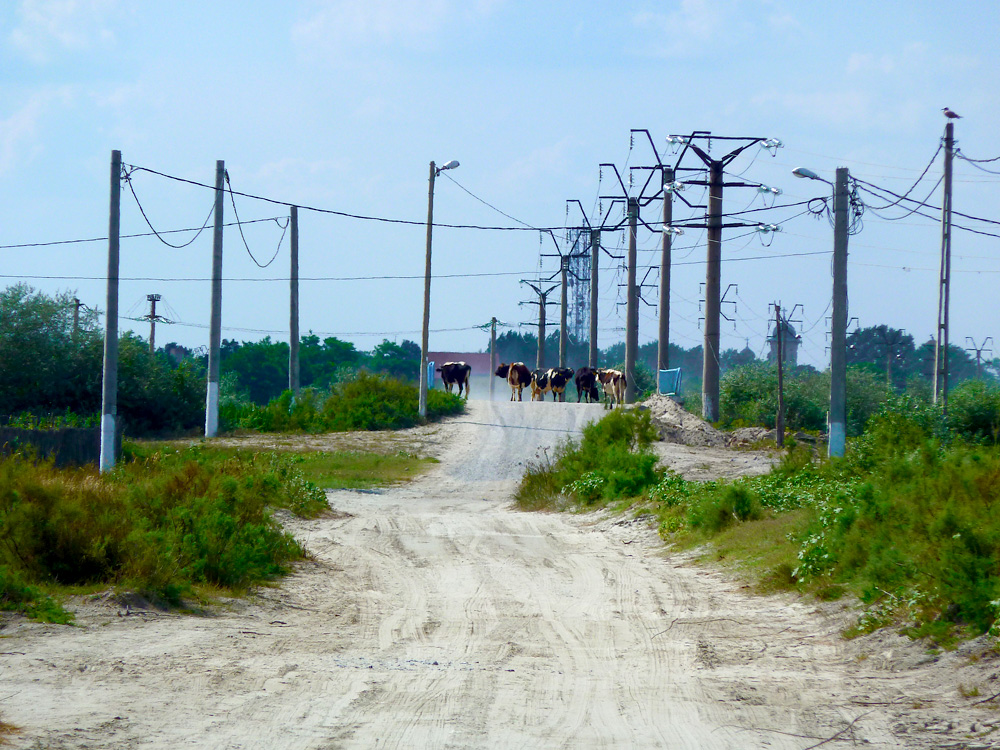
Siiski on tegemist üsna eheda kohaga. Jõekalda äärne promenaad on küll ilusti korda tehtud, muud teed aga olid suuremalt jaolt kruusateed. Randa suunduval teel kõndisid ringi lehmad. Ei tea, kas tänu üleujutustele (mille jälgi siin küll eriti näha ei ole) või mõnel muul põhjusel, aga inimesi oli rannas üsna vähe. Kõik vajalikud teenused peale päästeteenistuse olid rannas olemas (s.t. sai süüa ja õlut osta). Igatahes oli igati mõnus päev.
Nevertheless, it’s quite an authentic place. The riverside promenade has been nicely done, but other roads were mostly gravel roads. Cows were walking around on the road leading to the beach. I don’t know if it’s due to floods (though we don’t really see traces of them here) or for some other reason, but there were quite few people on the beach. All necessary services except rescue service were available on the beach (i.e. you could buy food and beer). In any case, it was a thoroughly pleasant day.
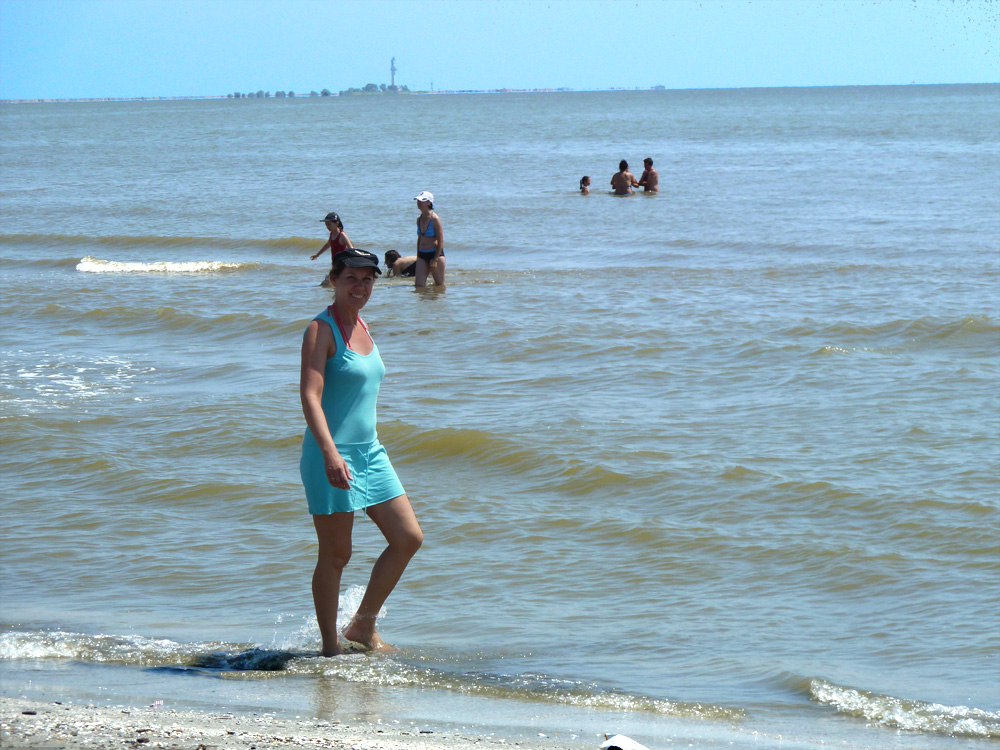
Nüüd oleme saavutanud kaks asja, mis nõuka ajal paljudele unistuseks olid. Esiteks oleme külastanud mitut rahvademokraatiamaad ja teiseks käinud Musta mere ääres. Vinge värk 🙂
Now we have achieved two things that were dreams for many during Soviet times. First, we have visited several people’s democracies and second, we’ve been to the Black Sea. Cool stuff 🙂

Jälle paistsid rumeenlased silma oma abivalmidusega aidates meil aru saada, kuidas ja millise laevaga sõita ja kuidas ka tagasisõiduks tiiburil koht broneerida. Kui Sulina sadamas hetkeks nõutult seisma jäime, tuli kohe üks vanem naisterahvas juurde ja seletas meile prantsuse keeles, kuidas randa jõuda. Üldse oleme siiralt üllatunud, kui hästi siin Rumeenias kohalikud inglise ja prantsuse keelt räägivad. Noorte puhul see ei üllata, aga et just vanemate inimestega ka kõik jutud räägitud saame, on küll positiivne. Laevalt tulles sõime pansioni kõrval olevas söögikohas kõhud täis ja sellega on jälle üks imekaunis reisipäev seljataga. Homme sukeldume tundmatusse nimega Moldova (riik, mis enne kandis nime Moldaavia). Ei ole kindel, kuidas meil edaspidi internetiühenduste leidmine õnnestub. Igatahes paneme iga päeva õhtul värsked muljed kirja ja riputame need üles esimesel võimalusel.
Kui kõik plaanipäraselt läheb, peaksime pühapäeva õhtuks koju jõudma. Kui siiski selgub, et teed on viletsad ja me ei jõua 600 km päevi teha, siis venib reis arvatavasti päevakese pikemaks.
Again the Romanians stood out with their helpfulness, helping us understand how and which ship to take and how to book a place on the hydrofoil for the return journey. When we stood confused for a moment at Sulina harbor, an elderly woman immediately came up and explained to us in French how to get to the beach. In general, we are sincerely surprised at how well the locals here in Romania speak English and French. With young people it doesn’t surprise, but that we can have all conversations with older people too is definitely positive. Coming from the ship we ate our fill at the restaurant next to the guesthouse and with that another wonderfully beautiful travel day is behind us. Tomorrow we plunge into the unknown called Moldova (a country that previously bore the name Moldavia). I’m not sure how we’ll succeed in finding internet connections going forward. In any case, we’ll write down fresh impressions each evening and put them up at the first opportunity.
If everything goes according to plan, we should arrive home by Sunday evening. If it turns out that the roads are poor and we can’t manage 600 km days, then the trip will probably stretch a day longer.
