Blogi

29.07. Moldova – Soroca

In 2010 Rumeenia by Teet Parring / 29. Jul 2010 / No comments

Tänane sõidupäev oli täielikult pühendatud Moldovale. See on riik, millest meil mõlemal teadmised ja kogemused puuduvad. Internetis surfates üht-teist muidugi leiab. Moldova on Euroopa üks vaesemaid riike. Seda oli sõiduteede olukorrast hästi tunda, teede ehituseks ja paranduseks neil raha lihtsalt pole. Esmaabi mõnele teelõigule ikka anti, st paigati auke, aga läbides Moldovat lõunast põhja, võib küll öelda, et teed on lihtsalt JUBEDAD. Aga kõik muu oli igati ok. Piiriületus läks nobedasti, ükski politsei meie vastu kogu päeva jooksul huvi ei tundnud. Lonely Planeti järgi pidavat kohalik politsei välismaalasi armastama, saate vast isegi aru, miks. Panime mõned EURid juba valmis, et vajadusel saaks kiirelt probleemid lahendada, aga … ühtegi sellist võimalust ei tulnudki ette 🙂

Today’s driving day was completely dedicated to Moldova. This is a country about which neither of us have knowledge or experience. Surfing the internet you can find some things of course. Moldova is one of Europe’s poorest countries. This was clearly felt from the road conditions, they simply don’t have money for road construction and repairs. First aid was given to some road sections, i.e. holes were patched, but traveling through Moldova from south to north, you can definitely say that the roads are simply TERRIBLE. But everything else was perfectly ok. Border crossing went quickly, not a single police officer showed interest in us throughout the day. According to Lonely Planet, local police supposedly love foreigners, you can probably even guess why. We had already prepared some EURs so we could quickly solve problems if necessary, but… no such opportunity arose 🙂
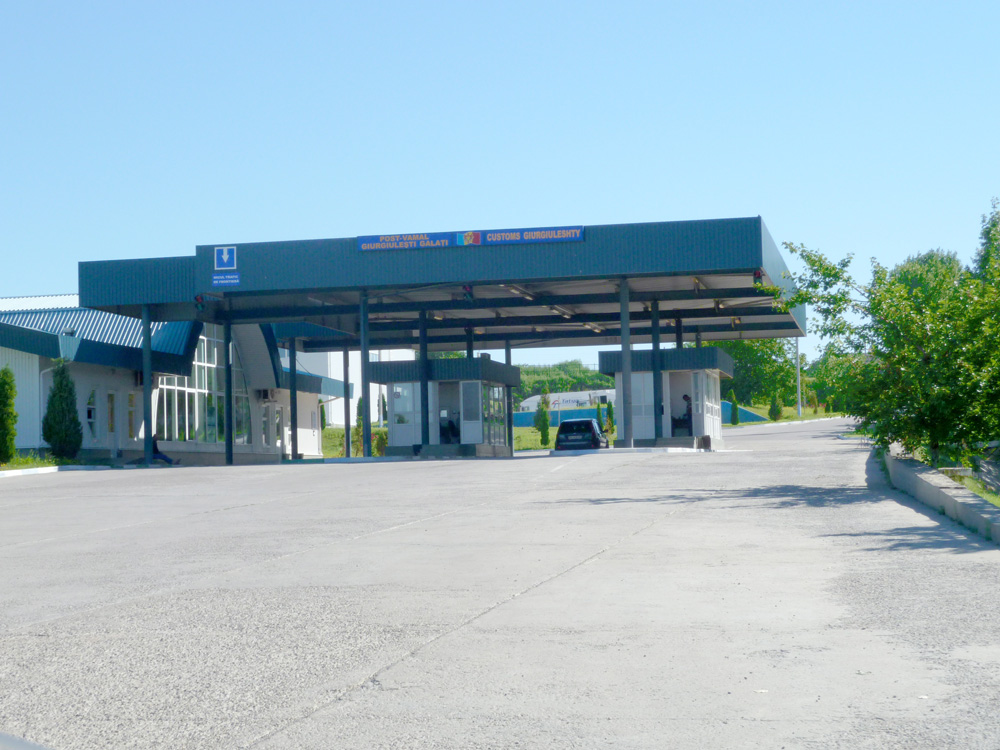
Moldova piirpunktis | At Moldova border checkpoint

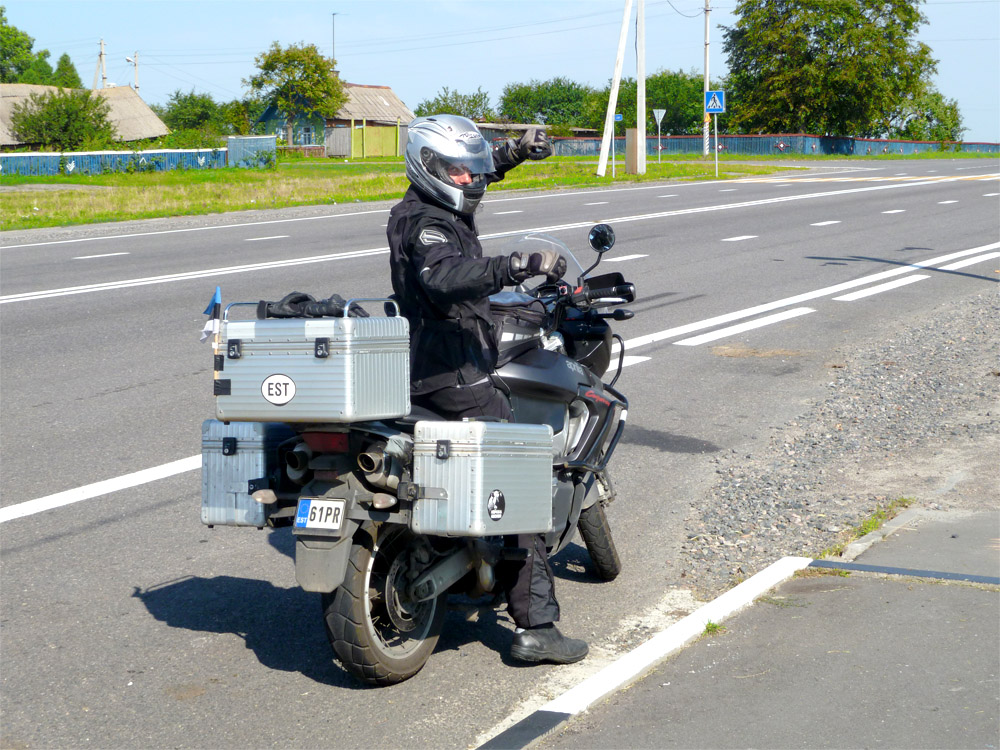
Kui vaadata, kuidas inimesed meid nähes reageerivad, siis tunneme end küll imeliste olenditena: küll lehvitatakse, küll hõigatakse midagi, küll lastakse tervituseks signaali. See on tegelikult niiii armas! Jäime korraks teeservas seisma, et GPSi kontrollida, kohe peatas ka üks auto – küsiti, kas vajame abi ja kas tõesti oleme kogu tee Eestist siiani motikaga sõitnud. Üks külaneiu, kelle käest me virsikuid ostsime, oli meist nii vaimustuses ja tundis siirast kahetsust, et tal fotokat kaasas ei olnud. Tal pidi ka sõbranna Eestis elama. Ühesõnaga on inimesed siin nii sõbralikud, abivalmid ja rõõmsameelsed, ükskõik, kus me olime või mida tegime, alati pakkus keegi abi või tuli lihtsalt juurde juttu ajama.

Looking at how people react when they see us, we definitely feel like miraculous creatures: they wave, they shout something, they honk their horn in greeting. It’s actually sooo sweet! We stopped for a moment at the roadside to check the GPS, and immediately a car stopped too – they asked if we needed help and whether we had really ridden the whole way from Estonia on a motorcycle. One village girl from whom we bought peaches was so excited about us and felt sincere regret that she didn’t have a camera with her. She also had a friend living in Estonia. In short, people here are so friendly, helpful and cheerful, no matter where we were or what we did, someone always offered help or just came to chat.

Teeääres tüdrukult virsikuid ostes | Buying peaches from a roadside girl

Peale toredate inimeste on ka Moldova loodus lihtsalt imeline. Siin ei ole kõrgeid mägesid, pigem meenutab maastik meie Lõuna-Eestit, kuid metsi on siin vähe, on vaid lõputud päevalille-, maisi-, ja viljapõllud. Vaated, mis orgude ja nõlvade vahel sõites avanesid, olid tõesti võrratud. Kahjuks ei oska seda kõike sõnade ja fotodega edasi anda.

In addition to wonderful people, Moldova’s nature is simply amazing. There are no high mountains here, rather the landscape resembles our southern Estonia, but there are few forests here, only endless sunflower, corn, and grain fields. The views that opened up while riding between valleys and slopes were truly incomparable. Unfortunately, I can’t convey all of this with words and photos.
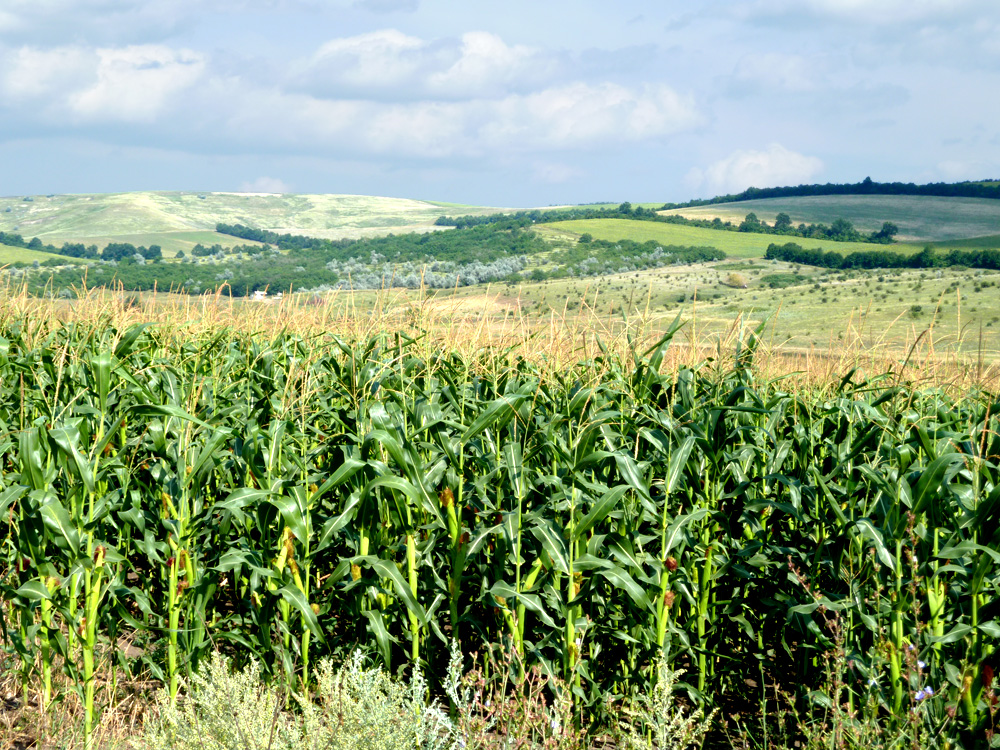
Teeäärne maisipõld | Roadside cornfield
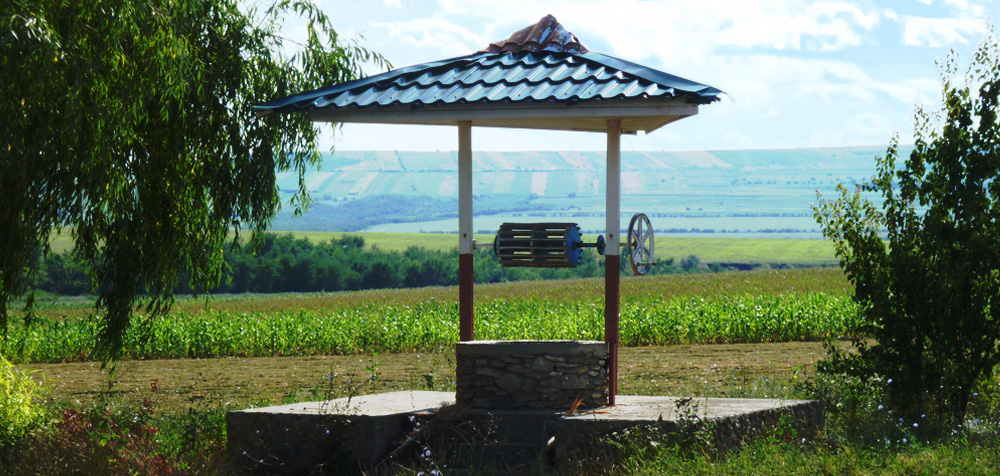
Kaev teeäärses puhkekohas | Well at a roadside rest area

Olime endale Moldova ja Ukraina piirilinna Sorocasse ööbimiskohaks paar hotelli välja vaadanud. Tee peal hoidsin silmad lahti, et võib-olla pakub keegi ka kodumajutust nagu Rumeenias seda tehti, aga ühtegi sellist silti ei jäänud silma. Tundub, et siin liigub turiste vähe ja ega me ei imesta ka, selliste teede peal ei taha ühtegi turist sõita, iseasi, kui just ekstreemturismiga ei tegele. Kui teedest veel rääkida, siis autosid liikus siin väga vähe, nii et selles suhtes oli siin hea aukudest möödudes slaalomsõitu harjutada. Minul seal tagaistmel polnud hirmugi, et uni võiks peale kippuda 🙂 Registreerisime ennast Sorocas hotelli, nimega Nistru. Olime seal ainsad külalised, meil lasti ise tuba valida, paigutati ratas ilusti garaazi, restoranis teenindati meid äärmiselt sümpaatselt. Siiani on ainult positiivsed mälestused Moldovast.

We had looked out a couple of hotels for accommodation in Soroca, the border town between Moldova and Ukraine. On the road I kept my eyes open in case someone might offer home accommodation like they did in Romania, but no such sign caught my eye. It seems that few tourists move around here, and we’re not surprised either, no tourist wants to ride on such roads, unless they’re into extreme tourism. Speaking more about roads, very few cars traveled here, so in that respect it was good for practicing slalom driving while passing potholes. In the back seat I had no fear that sleep might overtake me 🙂 We registered ourselves at a hotel in Soroca called Nistru. We were the only guests there, they let us choose the room ourselves, the bike was nicely placed in the garage, and we were served extremely pleasantly in the restaurant. So far only positive memories from Moldova.
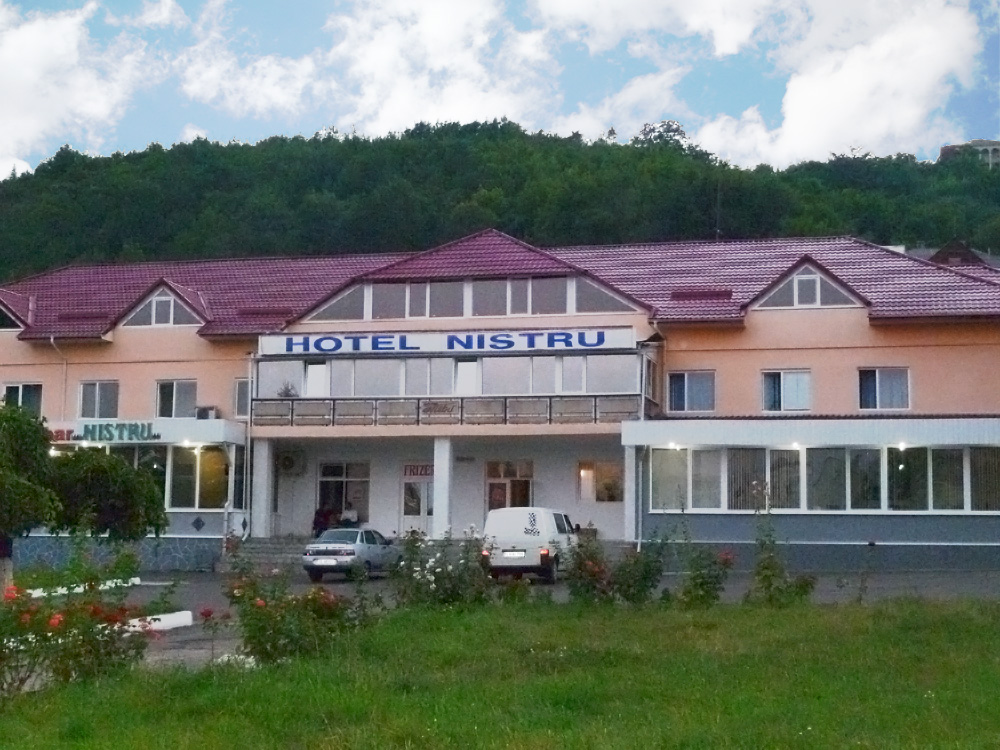
Hotell Nistru | Hotel Nistru

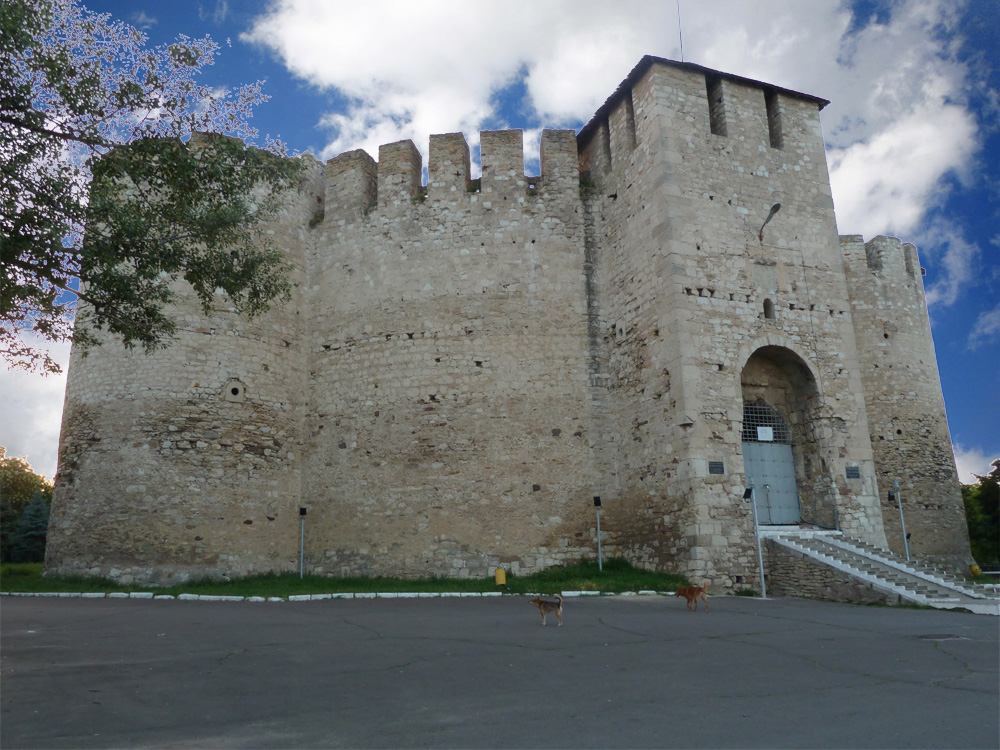
Lisaks veel paar sõna Sorocast. See on Moldova mustlaste pealinn. Erinevalt muudest mustlastest on kohalikud mustlased rikkad. Neile kuuluvad uhked villad vaatega Dnestri jõele. Mis on selle rikkuse allikaks, ei olegi täpselt teada. Lisaks asub linnas veel ka vana kindlus. Reede hommikul ületame piirijõe Dnestri ja pühendame päevakese Ukrainale.

Additionally, a few more words about Soroca. This is the Roma capital of Moldova. Unlike other Roma, the local Roma are wealthy. They own impressive villas with views of the Dniester river. What is the source of this wealth is not exactly known. In addition, there’s also an old fortress in the town. Friday morning we’ll cross the border river Dniester and dedicate a day to Ukraine.
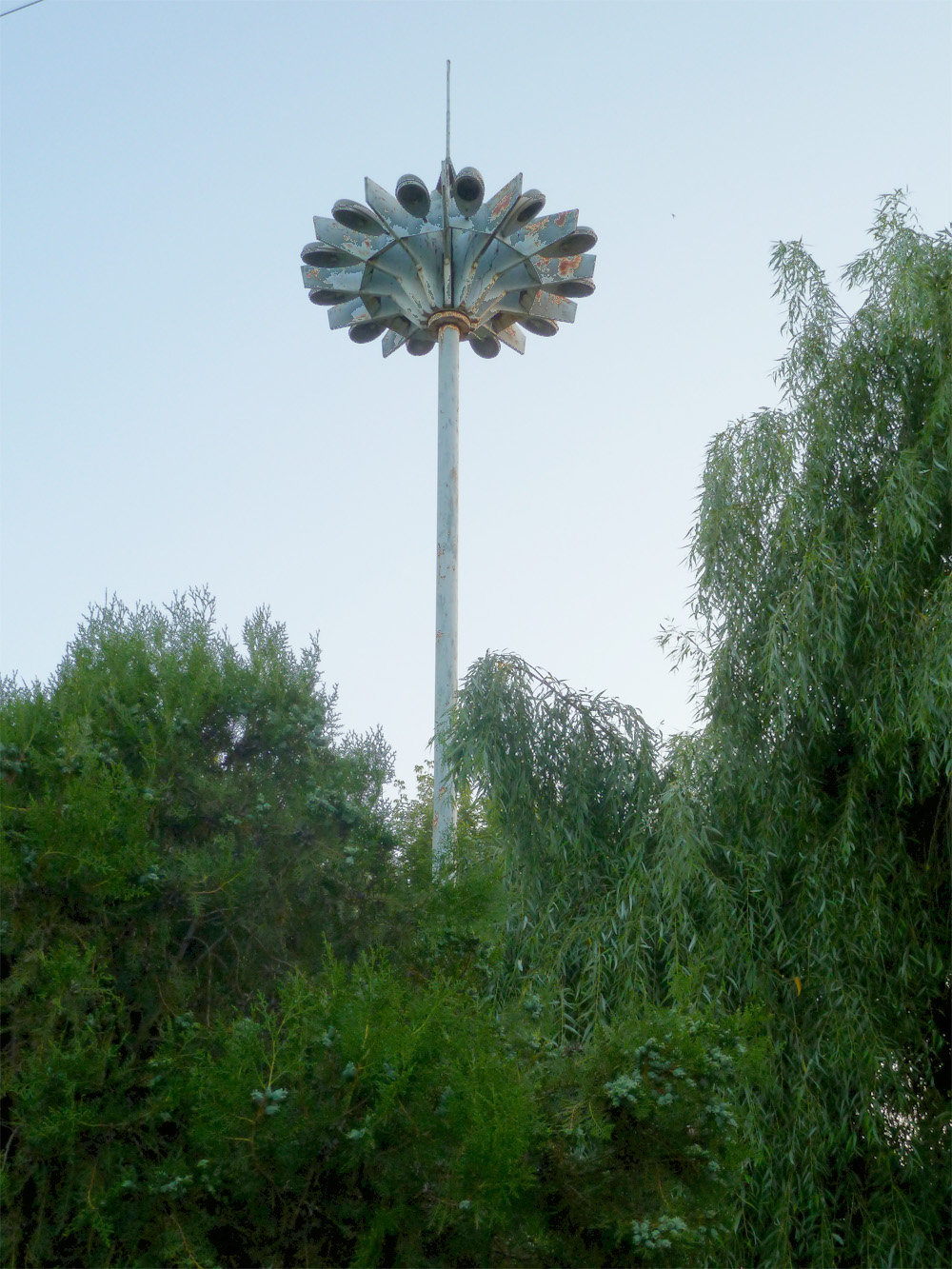
Soroca linnaväljakuid välgustavad “UFOd” | “UFOs” lighting up Soroca town square
Kindlus Sorocas | Soroca fortress
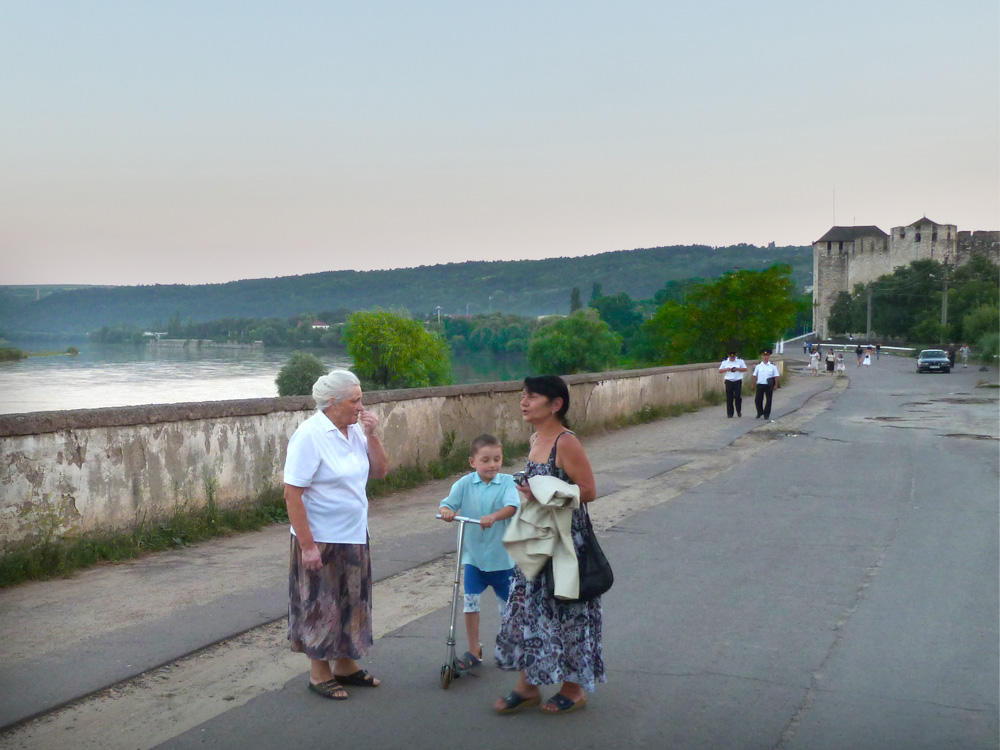
Õhtused jalutajad jõeäärsel alleel | Evening strollers on the riverside avenue
Ai Internet din plin – ei tea mida see tähendab, aga kolab ilusalt | Ai Internet din plin – don’t know what this means, but it sounds nice

30.07. Läbi Ukraina

In 2010 Rumeenia by Teet Parring / 30. Jul 2010 / No comments

Hommikusöök Soroca hotelli pakutavate teenuste hulka ei kuulunud. Restoran, kus me õhtust sõime avati alles kell 11. Seega startisime tühja kõhuga, aga muidu valmis uuteks väljakutseteks Ukrainas.

Breakfast was not included in the services offered by Soroca hotel. The restaurant where we ate dinner only opened at 11 o’clock. So we started with an empty stomach, but otherwise ready for new challenges in Ukraine.

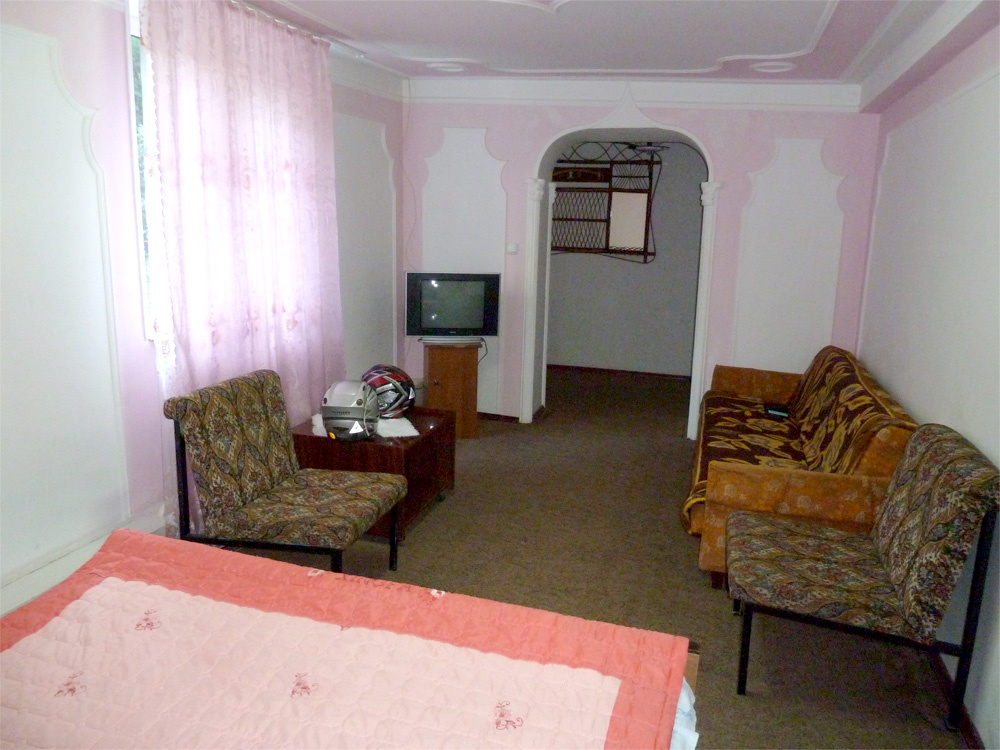
Hotellituba Sorocas | Hotel room in Soroca

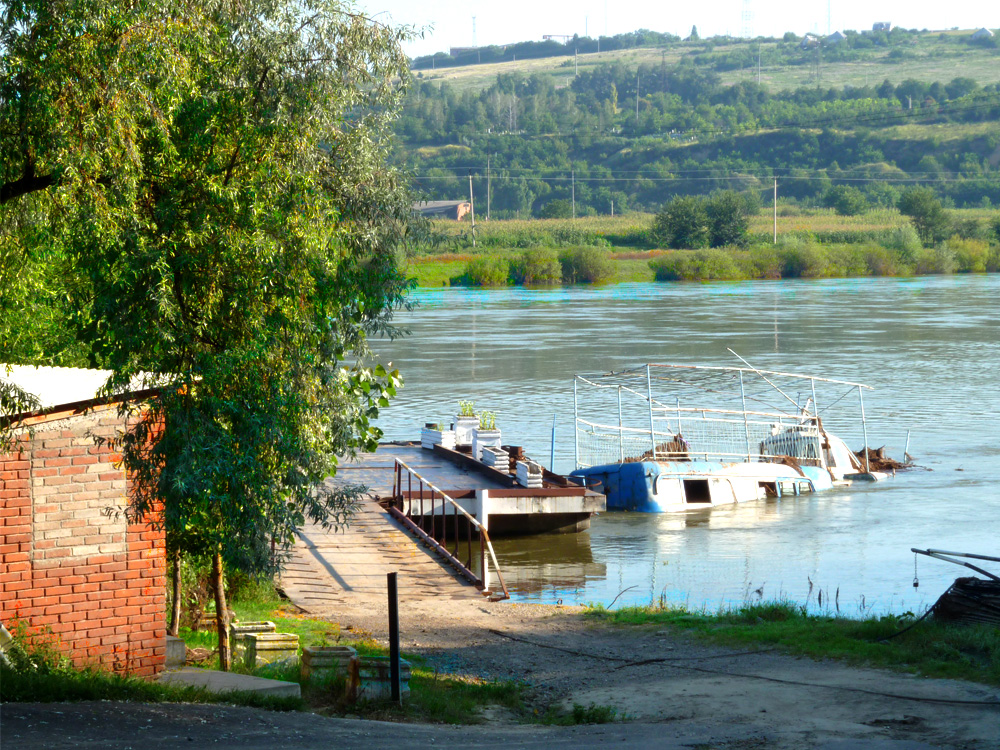
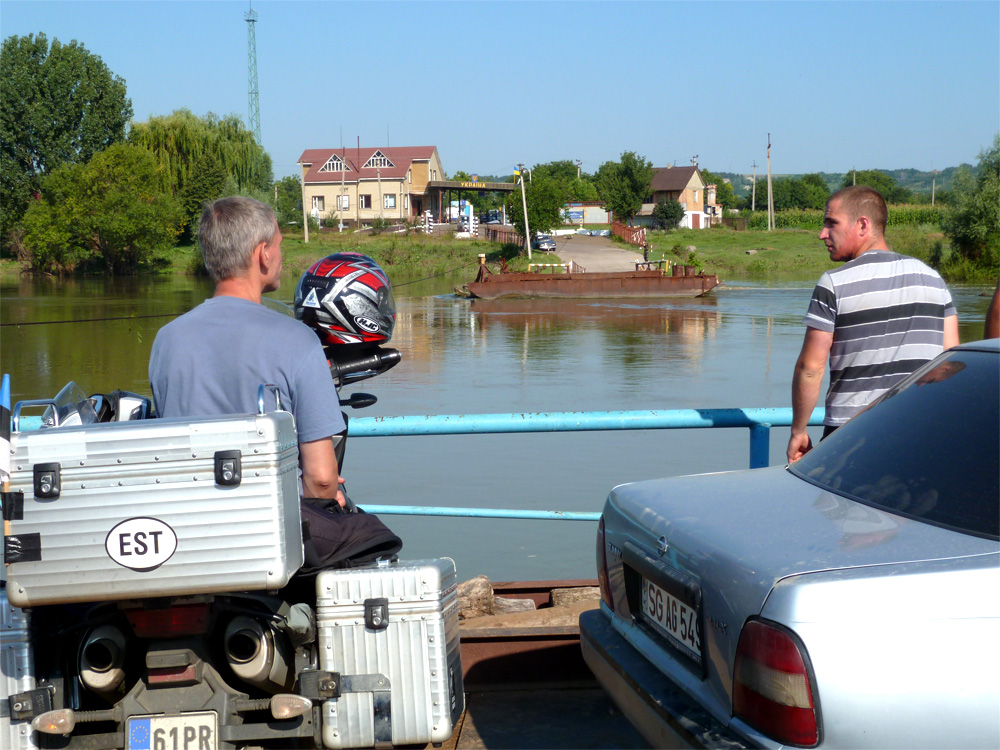
Hotellist saadud info põhjal viib Ukrainasse naaberkülas olev praam. Peale lühikest sõitu ja kohalikult teeääres seisvalt politseinikult tee küsimist leidsime selle üles. See ei ole mitte aga selline praam nagu Rumeenias, vaid tavaline rauast pontoon, mis mööda jõest läbi minevat trossi liigub. Enne aga kui praamisõidu juurde asuda, mõned sõnad veel Moldova piirist.

Based on information from the hotel, a ferry in a neighboring village leads to Ukraine. After a short ride and asking directions from a local policeman standing by the roadside, we found it. However, it’s not a ferry like in Romania, but an ordinary iron pontoon that moves along a cable running through the river. But before getting to the ferry ride, a few words about the Moldovan border.

Sõit praamile Moldova poolsel kaldal | Boarding the ferry on the Moldova shore

Kõik piiripunkti töötajad olid väga viisakad ja vastutulelikud. Kontrolliti ära meie passid, seksikas tollitöötaja esitas meile mõned küsimused ja võisimegi Moldovast lahkuda. Praamil saime jutuotsapeale kohalike noormeestega. Seletasime neile oma reisimarsruuti ja lobisesime niisama. Vene keel on ikka üks imeline keel, alates Moldovast saime igas riigis inimestega vabalt suhelda. Rumeenias sai inglise ja prantsuse keelega küll hädapärased jutud aetud, aga päris lobisemiseni seal ei jõudnud.

All border checkpoint staff were very polite and accommodating. They checked our passports, a sexy customs officer asked us some questions, and we could leave Moldova. On the ferry we got talking with local young men. We explained our travel route to them and chatted casually. Russian really is a wonderful language, starting from Moldova we could freely communicate with people in every country. In Romania we could have basic conversations in English and French, but we didn’t quite reach the level of real chatting there.

Ukraina piirpunkt paistab | Ukraine border checkpoint in sight

Üle jõe liikus praam jõe voolu mõjul. Kui hakkasime jõudma vastaskaldale, pidi praami opereeriva abielupaari naispool metallist konksuga pidurdama trossi liikumise. Perepea aga kogus kokku praamil olevad mehed, kes ühise jõuga praami pootshaagi abil randumissilla vastu tõmbasid. Ilmselt ei ole selle praamiga ainult naistest koosneva reisijaskonnaga jõe ületamine võimalik 🙂

Ukraina piir oli juba teismoodi. Seal pidi ära täitma paar paberit. Kuna me kasutasime ladina tähti, siis tuli need veelkord vene tähtedega täita. Ühesõnaga läks seal pisut aega, piirivalvurid uudistasid meie ratast, isegi pildistasid mobiilidega, Teet viskas nendega paar nalja ja lubatigi meid lahkelt Ukraina pinnale. Enne, kui veel ratta selga istusime, astus üks kuldhammastega mees ligi ja ütles ilusas eesti keeles “Tere”. Tuli välja, et ta on kunagi Tallinnas õppinud, mäletas veel mõnesid eestikeelseid väljendeid. Nii tore kohtumine!

The ferry moved across the river by the influence of the river current. When we started to reach the opposite shore, the wife of the married couple operating the ferry had to brake the cable’s movement with a metal hook. The head of the family gathered together the men on the ferry, who with combined force pulled the ferry against the landing ramp using a boat hook. Apparently it’s not possible to cross the river with this ferry with a passenger group consisting only of women 🙂

The Ukrainian border was already different. There we had to fill out a couple of papers. Since we used Latin letters, they had to be filled out again with Cyrillic letters. In short, it took some time there, border guards were curious about our bike, even took pictures with their mobiles, Teet cracked a couple of jokes with them and we were kindly allowed onto Ukrainian soil. Before we got back on the bike, a man with gold teeth came up and said in beautiful Estonian “Hello”. It turned out that he had once studied in Tallinn, still remembered some Estonian expressions. Such a nice encounter!

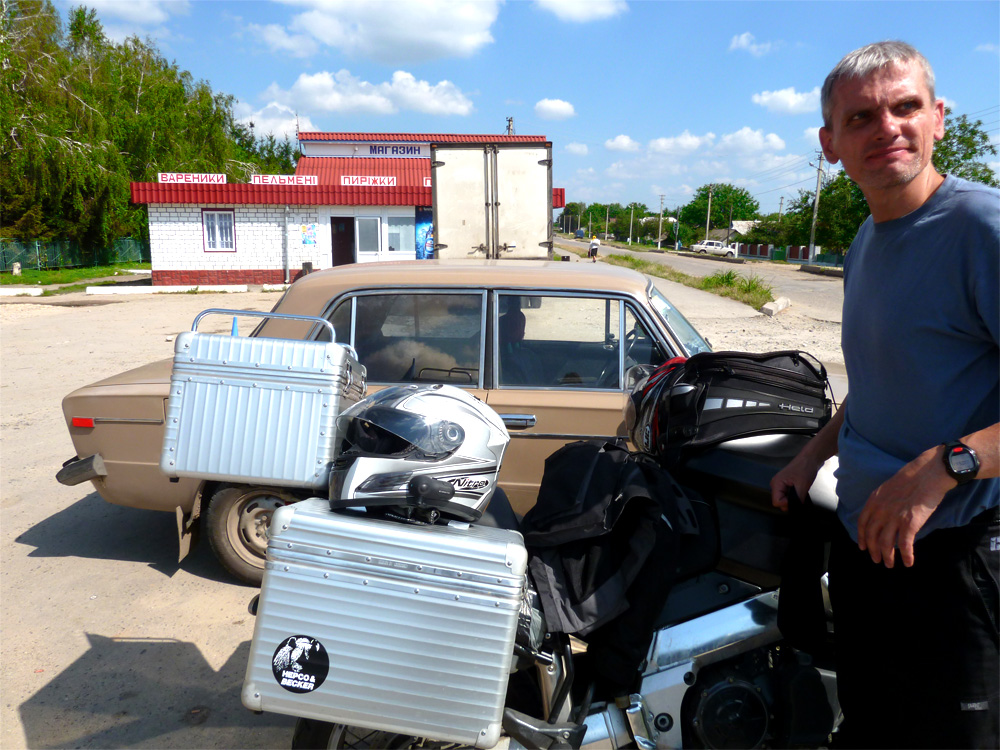
Hommikust sõime sellises kohas | We ate breakfast in such a place

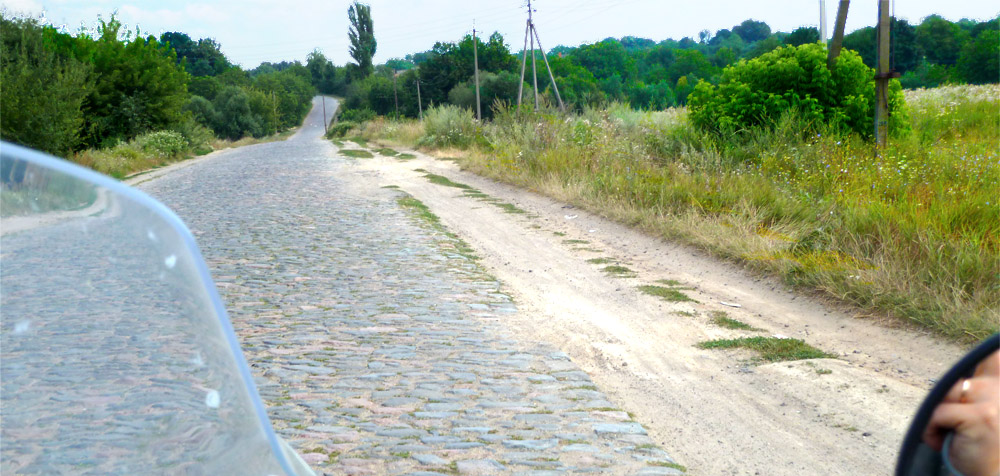
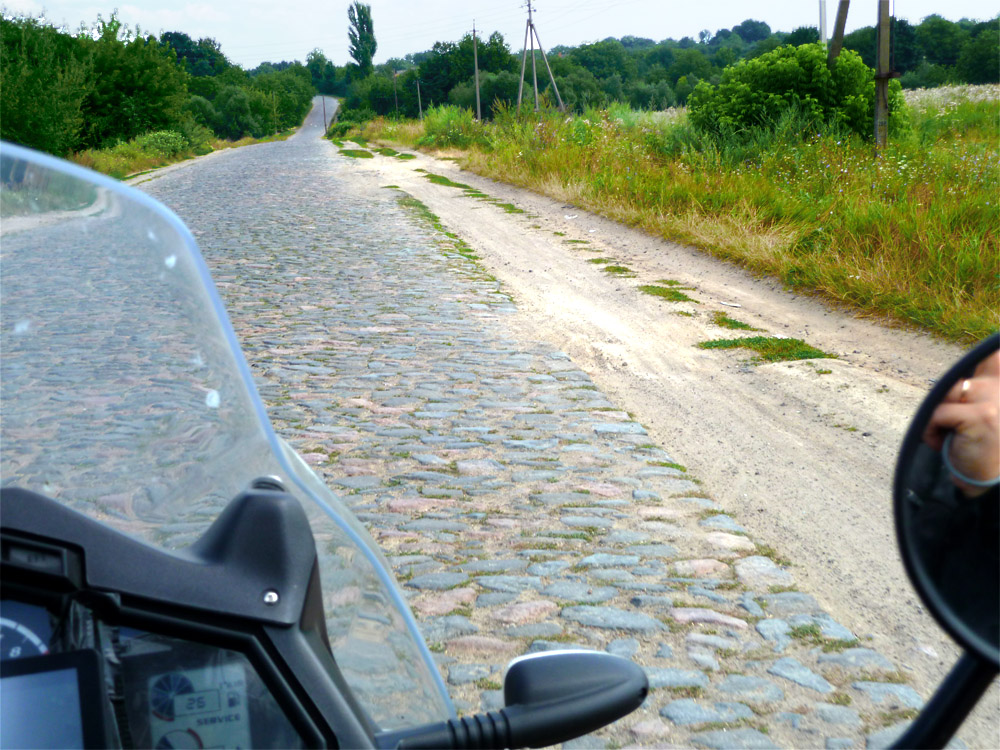
Peale Moldova teid tundusid Ukraina teed üsna sõidetavatena. Küladevahelised lõigud olid suhteliselt heas korras. Külades oli auke nii suuremaid kui ka väiksemaid. Vaid üks kahekilomeetrine teelõik oli kaetud päris korraliku munakivisillutisega. Ei kadesta sugugi endisaegseid reisilisi, kes tõldadega mööda selliseid teid liikuma pidid.

After Moldovan roads, Ukrainian roads seemed quite drivable. The sections between villages were in relatively good condition. In villages there were both larger and smaller potholes. Only one two-kilometer road section was covered with quite proper cobblestone pavement. I don’t envy at all the travelers of old who had to move along such roads with carts.

Po jaitsekammennoi doroge | On a cobblestone road

Mida lähemale jõudsime Kiievile, seda paremaks ja laiemaks teed muutusid. Kiievi ümbersõit läbis veidi ka linnaserva, nii et nägime kõrgeid korrusmaju ja laiu prospekte. Avanev pilt linnast oli igatahes väga kena. Tänavatel aga olukord nii lõbus ei olnud. Kuna kell oli juba viie ja kuue vahel õhtul ja ühes kohas oli suur teeremont, siis liikus autodevool vahepeal meeterhaaval. Hea oli see, et võõramaalastest mootorratturitesse suhtuti hästi ja vajadusel lasti ilusti vahele. Meie teekond jätkus päeva lõpppunkti Chernigovi poole.

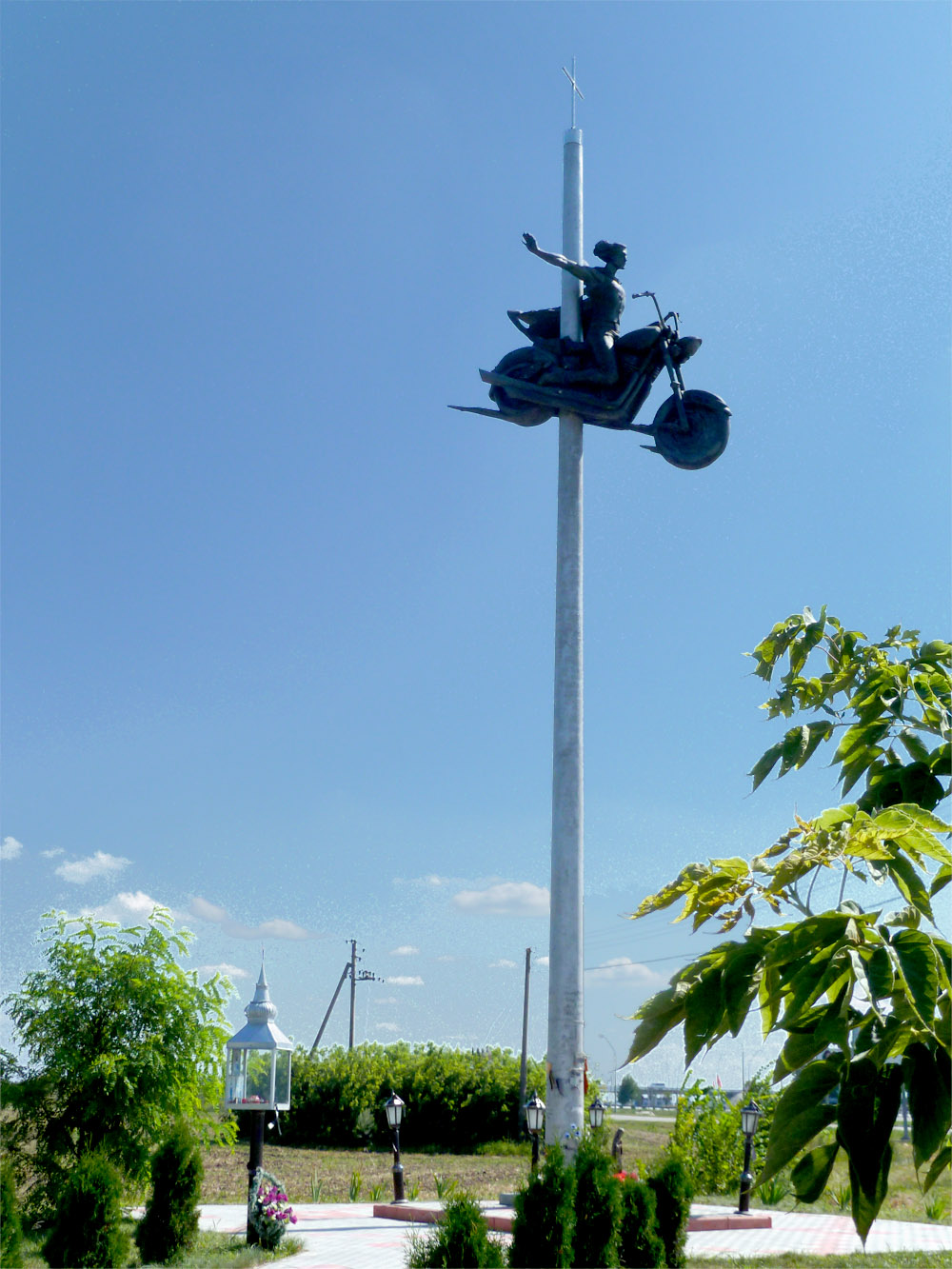
Ukrainas tegime väikese peatuse hukkunud mootorratturitele pühendatud mälestusmärgi juures.

The closer we got to Kyiv, the better and wider the roads became. The bypass around Kyiv went through a bit of the city outskirts, so we saw tall apartment buildings and wide avenues. The view of the city that opened up was very nice anyway. But the situation on the streets wasn’t so cheerful. Since it was already between five and six in the evening and there was major road construction in one place, the flow of cars sometimes moved meter by meter. The good thing was that foreign motorcyclists were treated well and allowed to merge in nicely when needed. Our journey continued toward the day’s endpoint of Chernihiv.

In Ukraine we made a small stop at a memorial dedicated to fallen motorcyclists.

Mälestusmärk hukkunud baikeritele | Memorial to fallen bikers

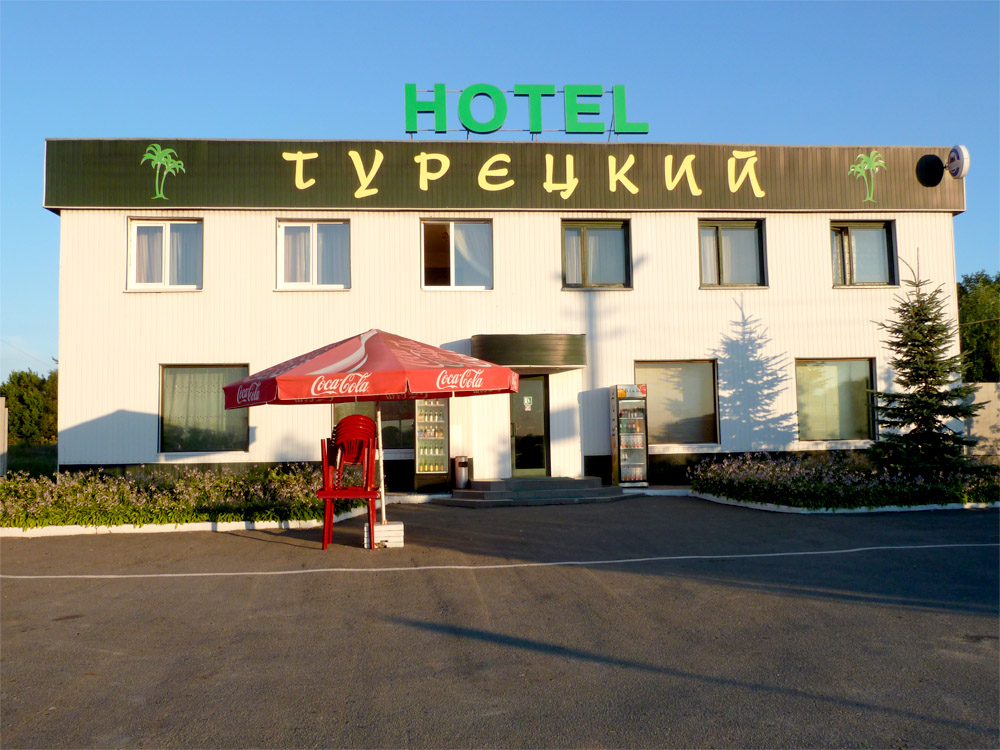
Otsus Chernigovist läbi sõita tuli meil alles eelmisel õhtul, seega meil linna kohta mingit infot ei olnud. Võtsime sihikule GPSi poolt näidatud hotelli Turetski. Kuna see asus linnast ümber mineval ringteel, siis arvasime, et see on reisilistele sobiv peatuspaik. Nii see oligi!

Saime toa, kus kõik vajalik olemas. Ratta panime kõrvalasuvasse valvega parklasse. Õhtul lobisesime veel pikalt Ukraina rekkajuhiga, kes korduvalt Eestis oli käinud.

Öösel käis keegi meie ukse taga ja üritas seda avada. Ei tea kas tegemist oli unise elanikuga, kes WCd otsis (osades tubades seda ei olnud ja tuli kasutada koridoris olevat käimlat) või siis väga kohmaka vargaga, sest kolinat kostus ukse tagant kõvasti.

Laupäeva veedame Valgevenet läbides.

The decision to pass through Chernihiv came to us only the previous evening, so we had no information about the city. We aimed for the hotel Turetski shown by GPS. Since it was located on the ring road around the city, we thought it would be a suitable stop for travelers. And so it was!

We got a room where everything necessary was available. We put the bike in a guarded parking lot next door. In the evening we chatted at length with a Ukrainian truck driver who had been to Estonia repeatedly.

At night someone came to our door and tried to open it. I don’t know if it was a sleepy resident looking for the WC (some rooms didn’t have one and had to use the toilet in the corridor) or a very clumsy thief, because there was quite a bit of banging from behind the door.

We’ll spend Saturday passing through Belarus.

Meie järjekordne öömaja | Our next overnight accommodation

31.07. Valgevene

In 2010 Rumeenia by Teet Parring / 31. Jul 2010 / No comments

Startisime hotellist kell 6 hommikul. Teadsime, et Ukraina ja Valgevene piiriületusjärjekorrad on pikad, aga olime ka kuulnud, et rattureid lastakse eelisjärjekorras üle.

Sellist autode saba pole ma eales varem näinud, see oli vist kilomeeter pikk!! Vastavalt saadud nõuannetele sõitsime rivi ette, parkisime ennast teeserva ja Teet läks asja uurima. Piirivalvur saatis meid muidugi rivi lõppu tagasi, ütles, et mingeid erandeid ei tehta. Mõtlesime, et mis siis ikka, ise ka kauplema ei hakka. Üks päev oli meil varuks, jõuame sellega teise, väiksemasse piiriületuse kohta sõita. Kui liikuma hakkasime, tuli mees ise meie juurde, arvatavasti haistis lisateenimisvõimalust. Ja nii ma siis nägin ja kuulsin esimest korda elus, kuidas sellised asjad käivad 🙂 Ühesõnaga kulus meil Valgevene pinnale jõudmiseks 1,5 tundi ja 30 EURi – see on ikka väga väike hind võrreldes sellega, et teised on kolm ööd autos piiriületust oodanud.

We started from the hotel at 6 o’clock in the morning. We knew that the border crossing queues between Ukraine and Belarus are long, but we had also heard that motorcyclists are allowed to cross with priority.

I had never seen such a queue of cars before, it was probably a kilometer long!! According to the advice we received, we drove to the front of the line, parked ourselves by the roadside and Teet went to investigate. The border guard of course sent us back to the end of the line, said that no exceptions are made. We thought, well so be it, we won’t start bargaining ourselves. We had one day to spare, we can use it to drive to another, smaller border crossing. When we started moving, the man himself came to us, probably sensed an opportunity for extra earnings. And that’s how I saw and heard for the first time in my life how such things work 🙂 In short, it took us 1.5 hours and 30 EUR to reach Belarusian soil – that’s still a very small price compared to others waiting three nights in their cars for the border crossing.

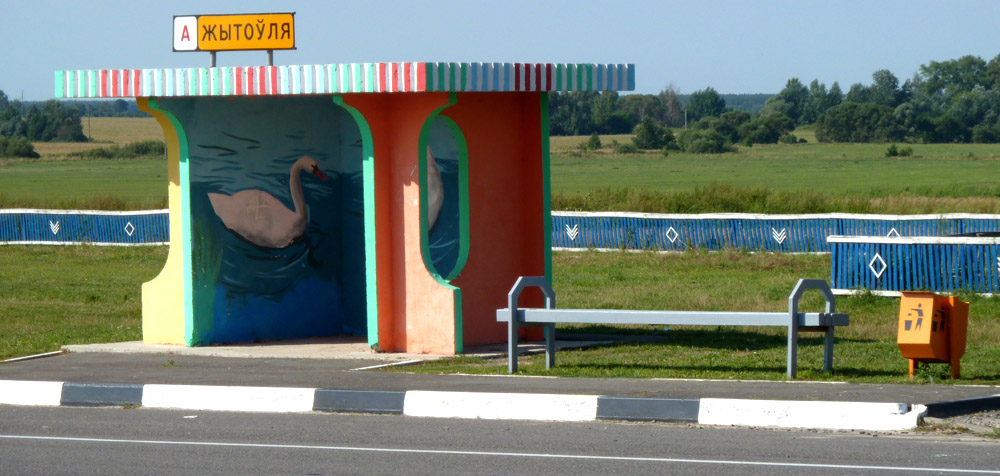
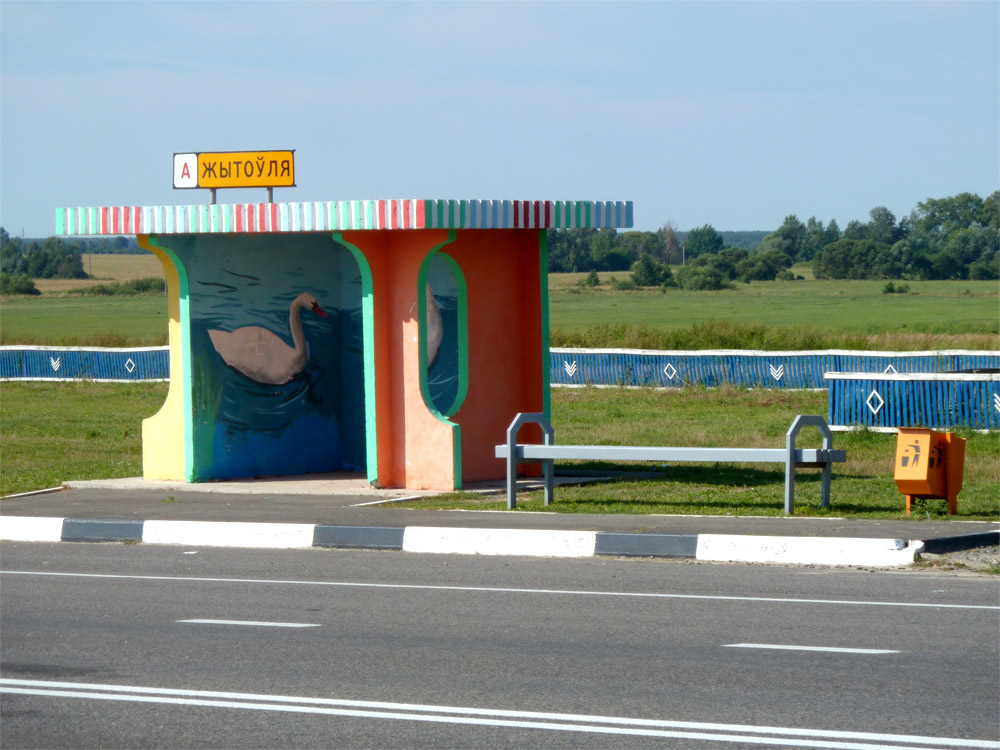
Teeäärne bussipeatus | Roadside bus stop

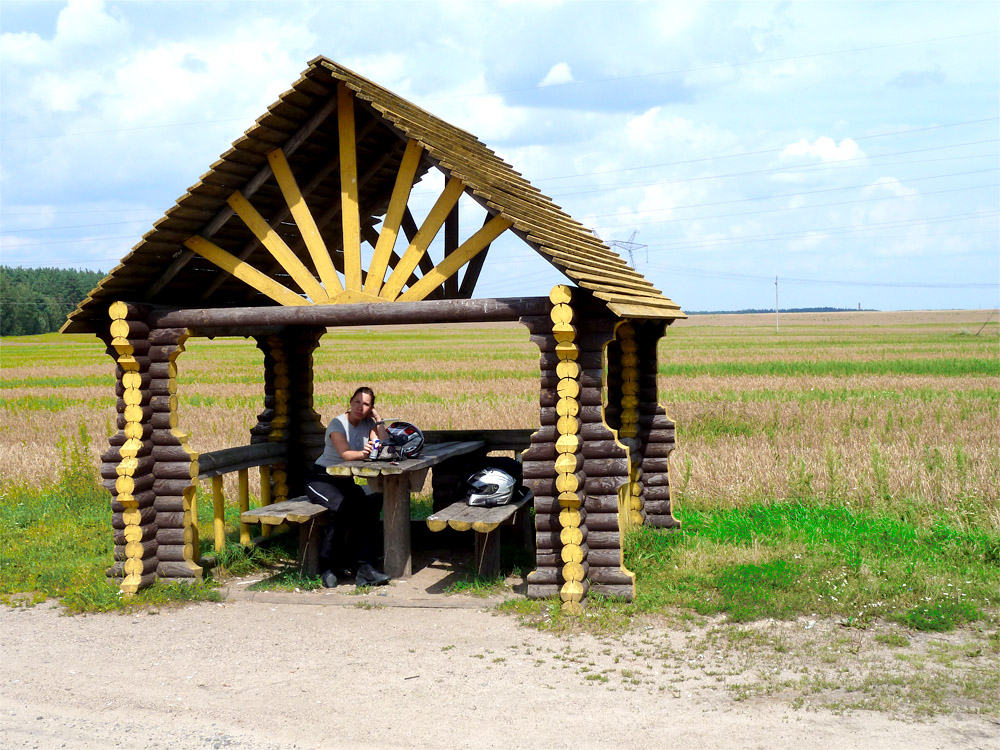
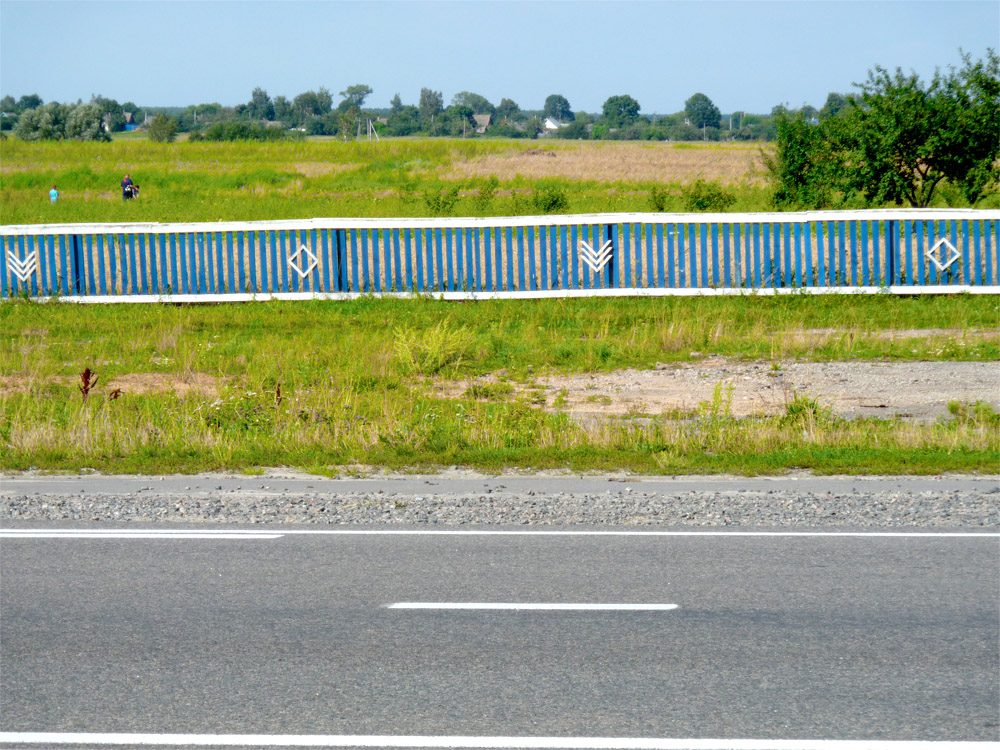
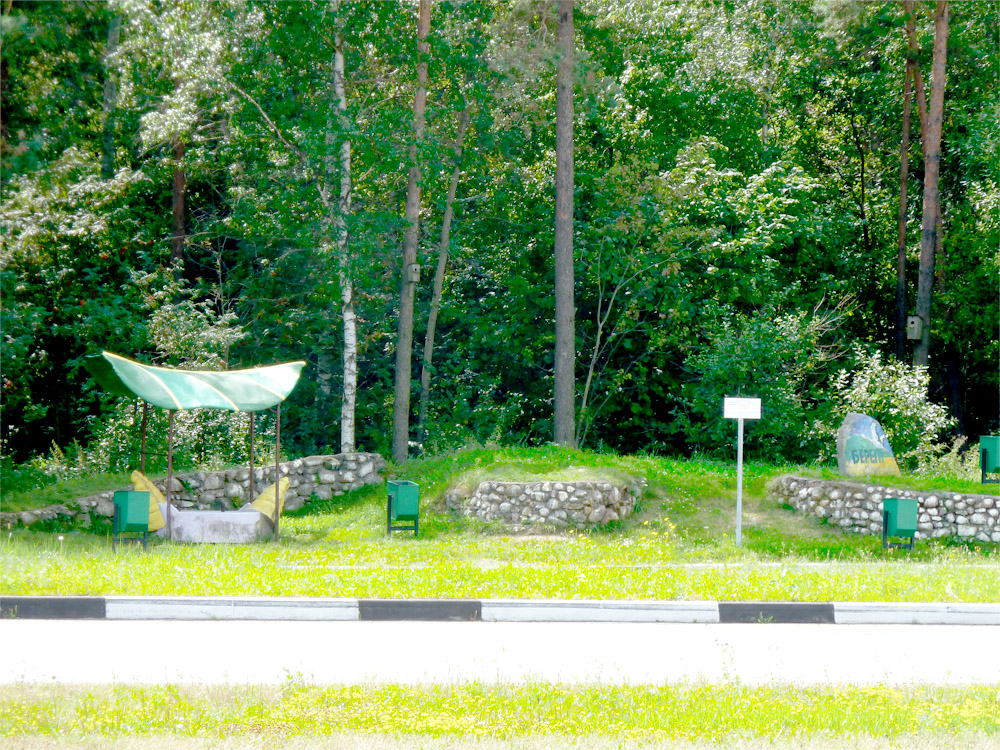
Niikaua kui Valgevenesse sisse sõitsime, oli näha, et riigis on kord majas. Teed olid suurepärases korras, teetähistused, suunavad sildid, teeremontide info – kõik oli tipp-topp! Ja mitte ainult teed ei olnud head. Näiteks olid kõik teeäärsed bussipeatused loodusteemaliste joonistustega kaunistatud, iga mõne kilomeetri järel olid teeservas piknikupaigad ja laste mänguplatsid, külamajakesed ja aiad olid ilusti värvitud. Kõik oli nii puhas!!!

Peale Rumeenia räpasust oli seda suur rõõm näha. Alguses arvasime, et ainult Minski lähistel on asjad nii, aga kuni Läti piirini välja oli kõik kõige paremas korras. 10 punkti Valgevenele!!!

As soon as we entered Belarus, it was clear that the country has its house in order. The roads were in excellent condition, road signs, directional signs, road construction information – everything was tip-top! And not only the roads were good. For example, all roadside bus stops were decorated with nature-themed drawings, every few kilometers there were picnic areas and children’s playgrounds by the roadside, village houses and gardens were beautifully painted. Everything was so clean!!!

After Romanian dirt, it was a great joy to see this. At first we thought it was only like this near Minsk, but all the way to the Latvian border everything was in the best condition. 10 points to Belarus!!!

Puhkepaus kenas varjualuses | Rest break in a nice shelter
Avarad Valgevene põllud | Vast Belarusian fields
Tootmisvõimlemine | Production gymnastics

Lätti saamiseks pikka piiriületusjärjekorda polnud, oleksime selle vabalt võinud ära oodata, aga kuna korralik paduvihm tuli kaela, siis lasti meid ilma pikemate probleemideta üle. Üldse olid Valgevene piirivalvurid nii Ukraina poolel kui ka Läti poolel väga korrektsed ja vastutulelikud.

There was no long border crossing queue to get into Latvia, we could have easily waited it out, but since a proper downpour came upon us, we were let through without major problems. In general, the Belarusian border guards were very correct and accommodating on both the Ukrainian and Latvian sides.

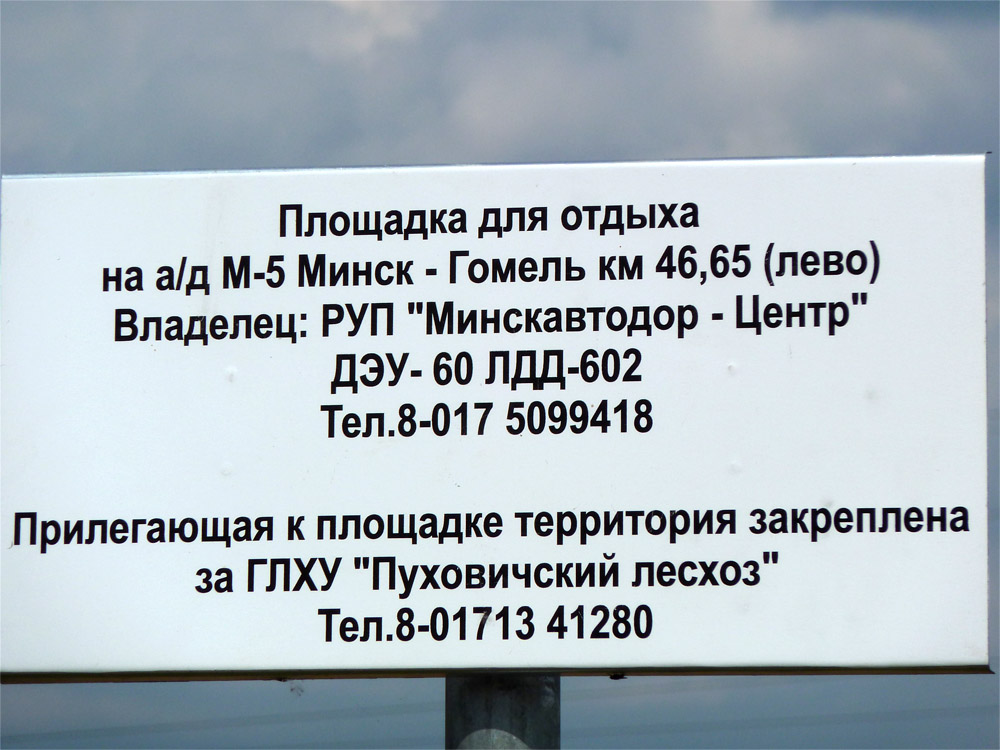
Puhkeplatsid on ilusti korras… | Rest areas are nicely maintained…

Laupäeva õhtul kell 21 olime siis Lätis, see tundus, nagu oleksime juba kodus!!! Teet oli küll ühe kämpingukoha välja vaadanud, aga mina ei olnud jällegi nõus vihmaga telgis magama. Vaatasime GPS-st paari majutuskohta kõige lähemalasuvast asulast, sinna kohale jõudes selgus, et üks ei tööta enam ja teine on rahvast täis. Jumala nõme, väljas oli juba täiesti pime. Helistasime siis ühte hotelli Daugavpilsis, õnneks üks tuba oli neil vaba ja nii me siis läbi kottpimeda ja uduse Läti sõitsime veel 50 km. Tegelikult oli see päris õudne.

On Saturday evening at 9 o’clock we were in Latvia, it felt like we were already home!!! Teet had looked up one camping spot, but I wasn’t willing again to sleep in a tent in the rain. We looked at a couple of accommodations from GPS in the nearest settlement, when we got there it turned out that one no longer operates and the other is full of people. Goddamn annoying, it was already completely dark outside. We then called a hotel in Daugavpils, luckily they had one room available and so we drove another 50 km through pitch-dark and foggy Latvia. It was actually quite scary.

… sest vastutajad on sildil kirjas | … because those responsible are written on the sign

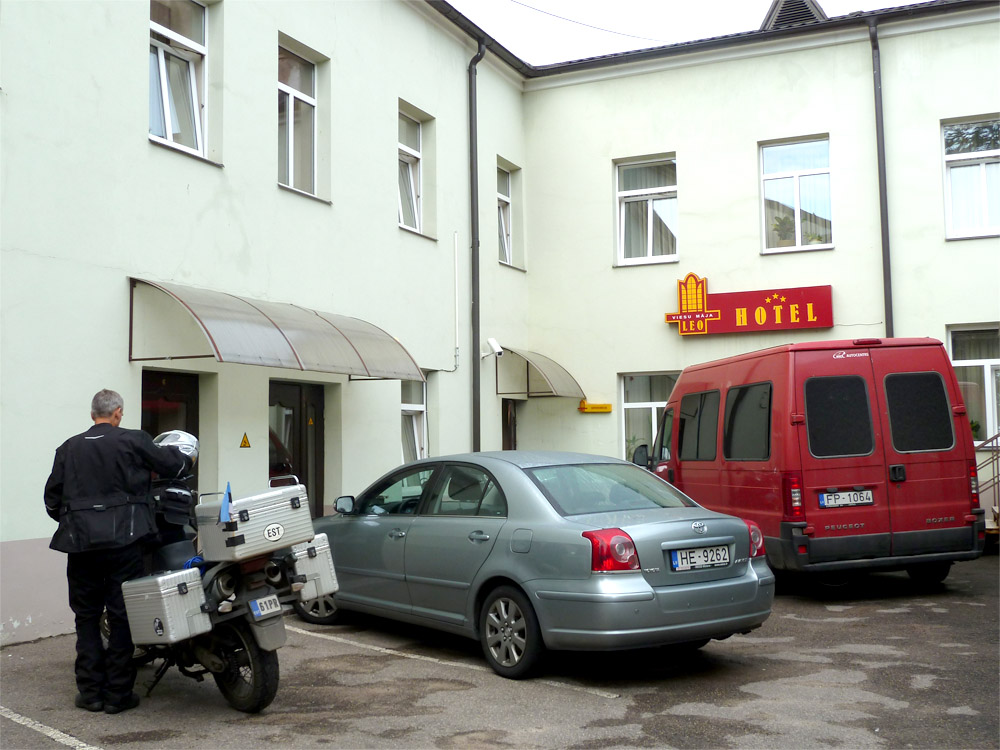
Aga nagu öeldakse: lõpp hea, kõik hea. Registreerisime ennast hotelli öösel kell 23.55. See oli meie reisi kõige pikem ja emotsiooniderohkem päev.

Võib-olla ma kõigile pole veel jõudnud rääkida, et Raido on Paldiskis sõjaväes ja tema oligi meil suurimaks motivatsiooniks pühapäeval taas varakult teele asuda. Pühapäevad on seal külastuspäevad ja me polnud teda sõjaväkke minekust saadik näinud. Nii et üks sõidupäev veel.

But as they say: all’s well that ends well. We registered at the hotel at night at 23:55. This was our longest and most emotion-filled day of the trip.

Maybe I haven’t told everyone yet that Raido is in the military in Paldiski and he was our biggest motivation to start early again on Sunday. Sundays are visiting days there and we hadn’t seen him since he went to the military. So one more day of driving.

1.08. Lõpuks koju

In 2010 Rumeenia by Teet Parring / 1. Aug 2010 / No comments

Kuigi oleks tahtnud hommikul peale eilset väsitavat päeva kauem magada, ei saanud me seda endale lubada, sest tänase päeva lõpuks oli meil konkreetne siht nii aja kui ka koha osas. Nimelt tahtsime külastada sõjaväes olevat Raidot ja selleks pidime olema hiljemalt kell 17.00 Paldiskis.

Hotellis pakuti meile hommikul lahkelt kohvi ja jogurtit, hoolimata sellest, et me hommikusöögist olime loobunud. Panime kiirelt asjad kokku ja asusime teekonna viimast lõiku läbima.

Although we would have wanted to sleep longer in the morning after yesterday’s tiring day, we couldn’t allow ourselves that, because by the end of today we had a concrete destination in both time and place. Namely, we wanted to visit Raido who is in the military and for that we had to be in Paldiski by 5:00 PM at the latest.

In the morning the hotel kindly offered us coffee and yogurt, despite the fact that we had declined breakfast. We quickly packed our things and set off to cover the last leg of the journey.

Hotell Daugavpilsis, kus väsimud rändurid hilisõhtul lahkesti vastu võeti | Hotel in Daugavpils, where the weary travelers were kindly received late at night

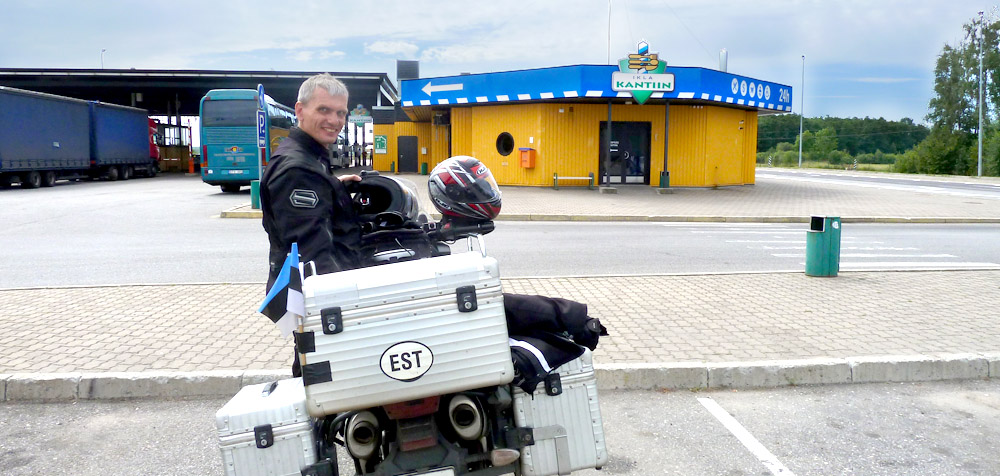
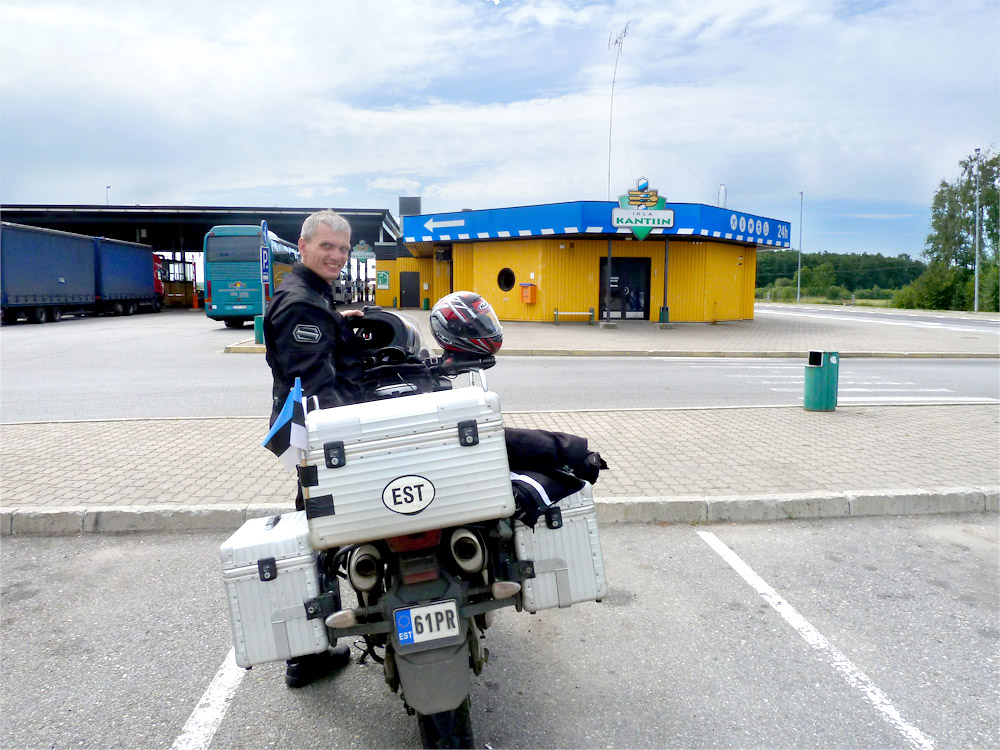
See kujunes mõnusalt sündmustevaeseks. Väike snäkk Jekabpilsi Statoilis, mõned jalasirutuspausid Lätis ja olimegi Eesti piiril. Siin tegime peatuse koos einega. Piiril nägime umbes samapalju motomatkajaid kui kogu reisi jooksul kokku. See näitab, et Eesti on märksa populaarsem sihtpunkt meie poolt külastatud riikidega võrreldes.

It turned out pleasantly uneventful. A small snack at Statoil in Jekabpils, a few leg-stretching breaks in Latvia and we were at the Estonian border. Here we made a stop with a meal. At the border we saw about as many motorcycle travelers as during the entire trip combined. This shows that Estonia is a much more popular destination compared to the countries we visited.

Eestis!!!!! | In Estonia!!!!!

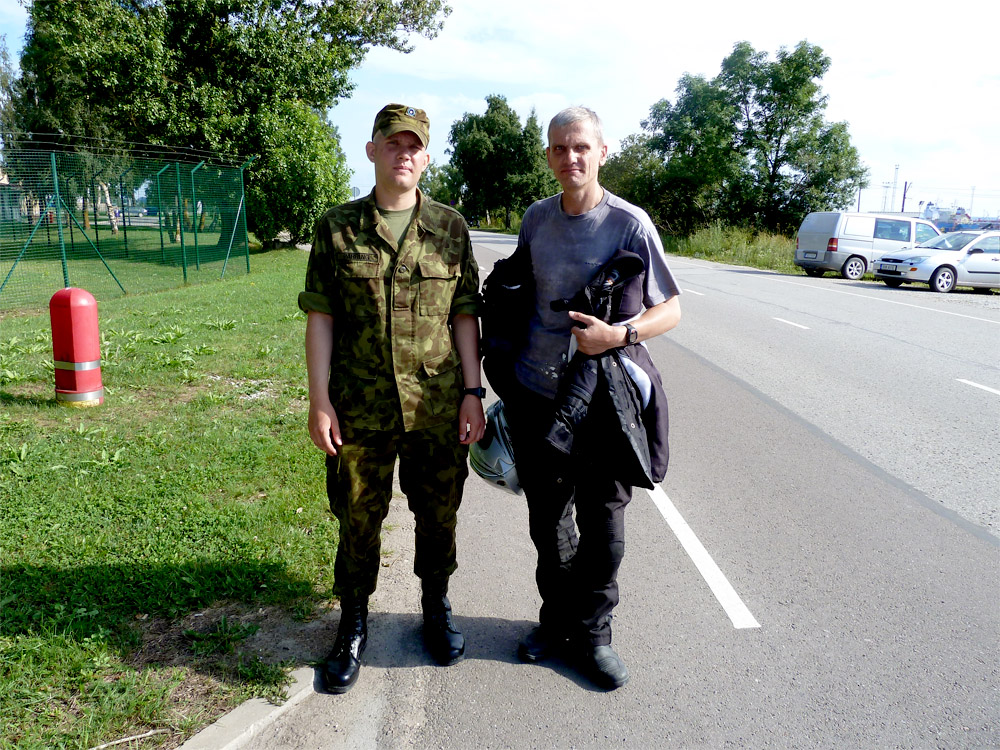
Ka Eesti läbisime mõnusa tempoga. Kell 16.45 olimegi Paldiskis. Saime mõnusalt Raidoga lobiseda ja sõjaväe muljeid kuulata.

We also crossed Estonia at a pleasant pace. At 4:45 PM we were in Paldiski. We got to chat nicely with Raido and hear about his military impressions.

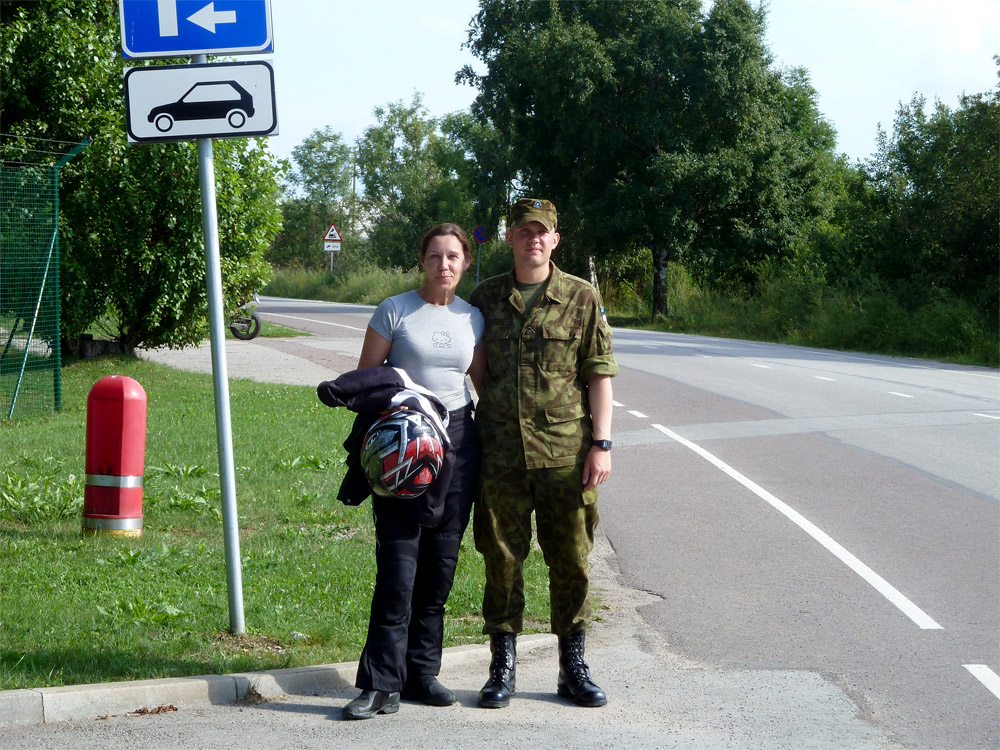
Sõduriga koos… | Together with the soldier…
… tahtsid koik pildistada | … everyone wanted to take pictures

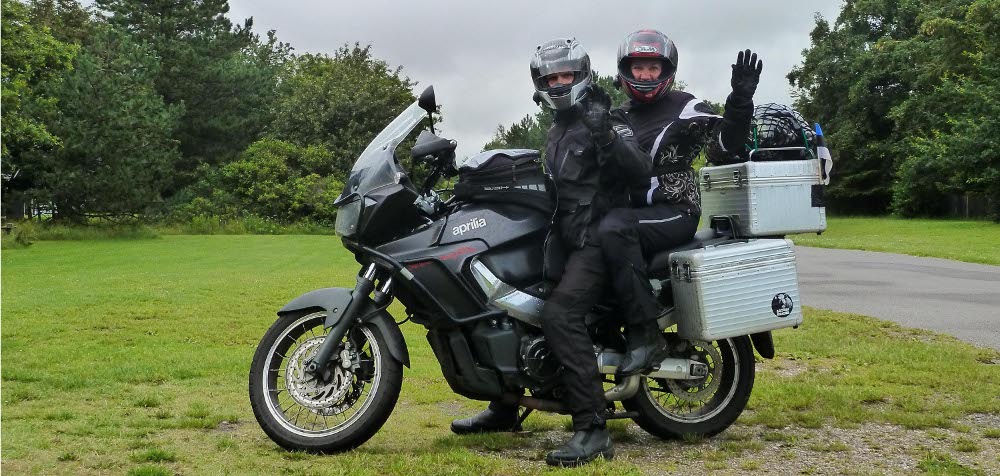
Paldiskist Tallinnasse teekond läks märkamatult. Lõpuks seisimegi jälle maja ees. Ring oli täis saanud. Läbisime kokku 10 riiki: Eesti, Läti, Leedu, Poola, Slovakkia, Ungari, Rumeenia, Moldova, Ukraina ja Valgevene. Nägime palju ilusat loodust ja toredaid inimesi. Tegelikult peab tänama kõiki reisijate kaitsepühakuid, sest kogu reisi jooksul ei olnud meil ühtegi probleemi. Veel suured tänud kõigile, kes meie blogi lugesid ja meile toeks olid. Eriline tunnustus meie suurepärasele tsiklile Apriliale, kes selle raske koorma kehvadel teedel järjekindlalt sihtkohta kohale viis!

The journey from Paldiski to Tallinn passed imperceptibly. Finally we were standing in front of the house again. The circle was complete. We crossed 10 countries in total: Estonia, Latvia, Lithuania, Poland, Slovakia, Hungary, Romania, Moldova, Ukraine and Belarus. We saw a lot of beautiful nature and wonderful people. Actually we should thank all the patron saints of travelers, because during the entire trip we didn’t have a single problem. Many thanks to all who read our blog and supported us. Special recognition to our excellent bike Aprilia, who persistently brought this heavy load to the destination on poor roads!

Teedu ja Inge reisid background image