Blogi

Teekond Serbiast Montenegrosse 19-20.07

In 2012 Horvaatia by Teet Parring / 26. Jul 2012 / No comments

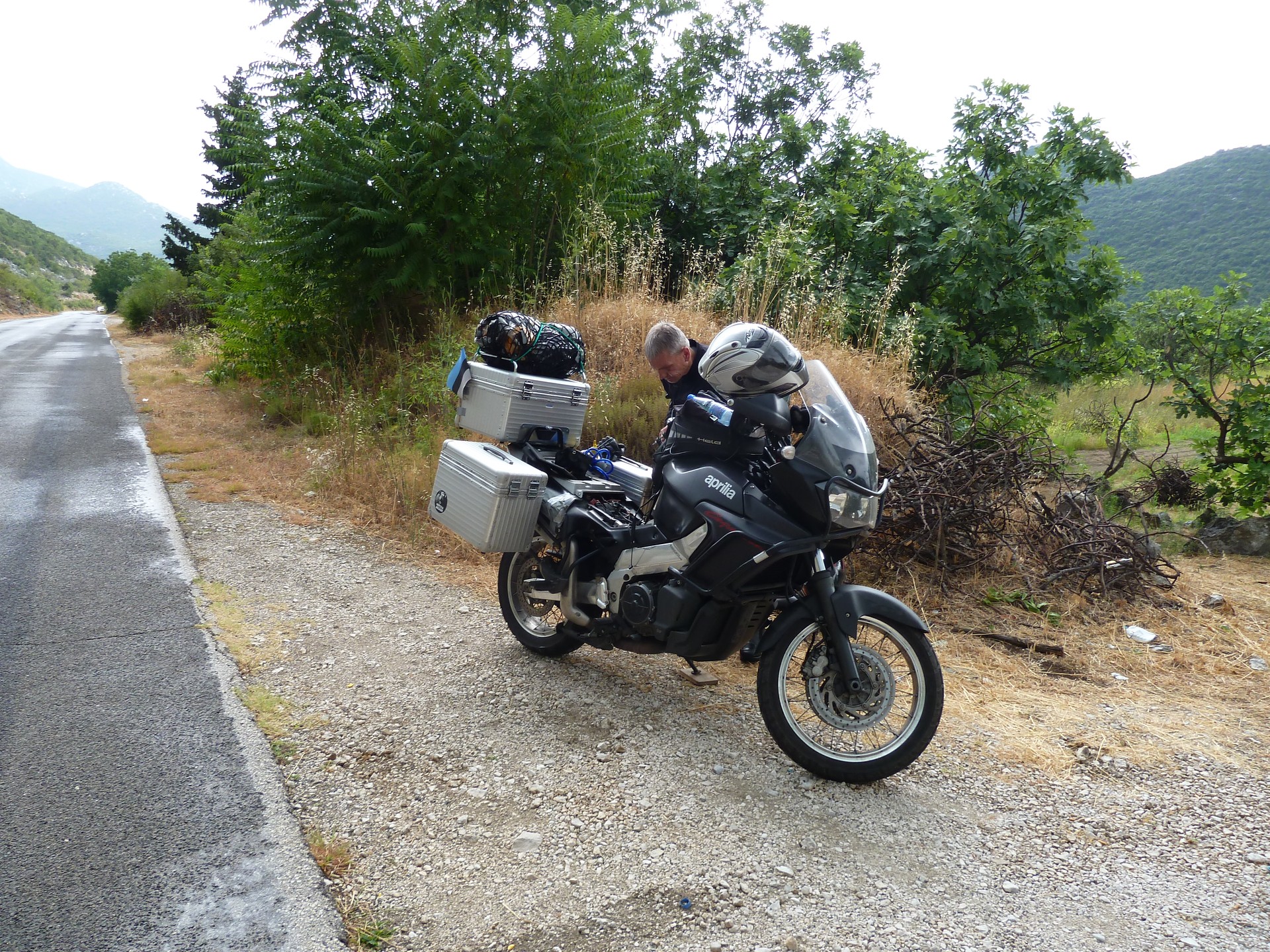
Hommikul ärkasime kämpingus suhteliselt varakult. Plaan oli pakkida asjad ja kiirelt startida, et hommikust jahedust võimalikult ära kasutada. Kämpingust välja sõites tuli kämpingu peremees veel meilt midagi küsima. Panin korraks ratta seisma ja seisma see jäigi. Katsed ratast käivitada jäid tagajärjetuks. Peale väikest järgimõtlemist ja telefonikonsultatsiooni Skymoto töökojaga tegutsesime edasi versiooni “aku läbi” järgi.

Sõbralik kämpingu töötaja leidis lähedalasuva töökoja, kus tal tuttav elektrik töötas. Palusin tal takso tellida, võtsin vana aku kaasa ja suundusime uue aku otsingule. See käis tegelikult väga lihtsalt. Väikeses uberikus asuvas töökojas töötav elekrik pani vanale akule juhtmed külge ja konstanteeris, et see on “kaput”. Ta juhatas taksojuhile ka kohe poe, kust uus aku osta. Ka see ost käis probleemideta, maksta sai isegi kaardiga (Serbias on kaardimaksed üldse levinud). Kolme tunniga saime tsikli jälle töökorda.

Taksojuht rääkis veidi vene keelt. Tema jutu järgi õppis 99% koolilapsi Jugoslaavias vene keelt, aga tema olevat praeguseks palju juba unustanud.

In the morning we woke up at the camping relatively early. The plan was to pack things and start quickly to make the most of the morning coolness. As we were leaving the camping, the camping owner came to ask us something. I stopped the bike for a moment and it stayed stopped. Attempts to start the bike were unsuccessful. After a little thinking and a phone consultation with Skymoto workshop, we proceeded according to the “dead battery” version.

A friendly camping employee found a nearby workshop where an electrician he knew worked. I asked him to call a taxi, took the old battery with me and headed to search for a new battery. It actually went very simply. An electrician working in a workshop located in a small suburb connected wires to the old battery and confirmed that it was “kaput”. He immediately directed the taxi driver to a shop where to buy a new battery. This purchase also went without problems, we could even pay by card (card payments are generally common in Serbia). In three hours we got the bike working again.

The taxi driver spoke a little Russian. According to him, 99% of schoolchildren in Yugoslavia studied Russian, but he had forgotten much of it by now.

[breadcrumbs track=126488]

Teekond Belgradist kulges vahejuhtumiteta. Nüüd olime jõudnud ka sooja ilmani. Kraadiklaas näitas 35 kraadi sooja. Lõuna poole jõudes muutus loodus maalilisemaks ja mägisemaks. Teed olid kitsad ja veoatode taha kogunesid järjekorrad, aga muidu heas korras.

Piiriületus Serbiast Montenegrosse läks kiiresti. Kohe peale piiri muutus loodus täiesti. Lehtpuud asendusid okaspuudega. Loodus meenutas natuke Hiiumaad-kivisegused karjamaad ja kadakad. Õhtu saabudes täitus loodus erinevate lõhnadega: värske heina kuivamise lõhn, lehma piimasegune lõhn… Teekond kulges nagu mööda maalitud peissaazi. Läbisime Tara jõe oru, see on sügavaim kanjon Euroopas (ca 1,3 km sügav). Pimeduse saabudes jõudsimegi oma sihtkohta kämpingusse külakeses nimega Ivan Do.

The journey from Belgrade went without incidents. Now we had also reached warm weather. The thermometer showed 35 degrees warm. Moving south, nature became more picturesque and mountainous. The roads were narrow and queues formed behind trucks, but otherwise in good condition.

The border crossing from Serbia to Montenegro went quickly. Immediately after the border, nature changed completely. Deciduous trees were replaced by conifers. Nature reminded a bit of Hiiumaa – stony pastures and junipers. As evening arrived, nature filled with different smells: the smell of fresh hay drying, the milky smell of cows… The journey went as if through a painted landscape. We passed through the Tara River canyon, which is the deepest canyon in Europe (about 1.3 km deep). When darkness arrived, we reached our destination at a camping in a village called Ivan Do.
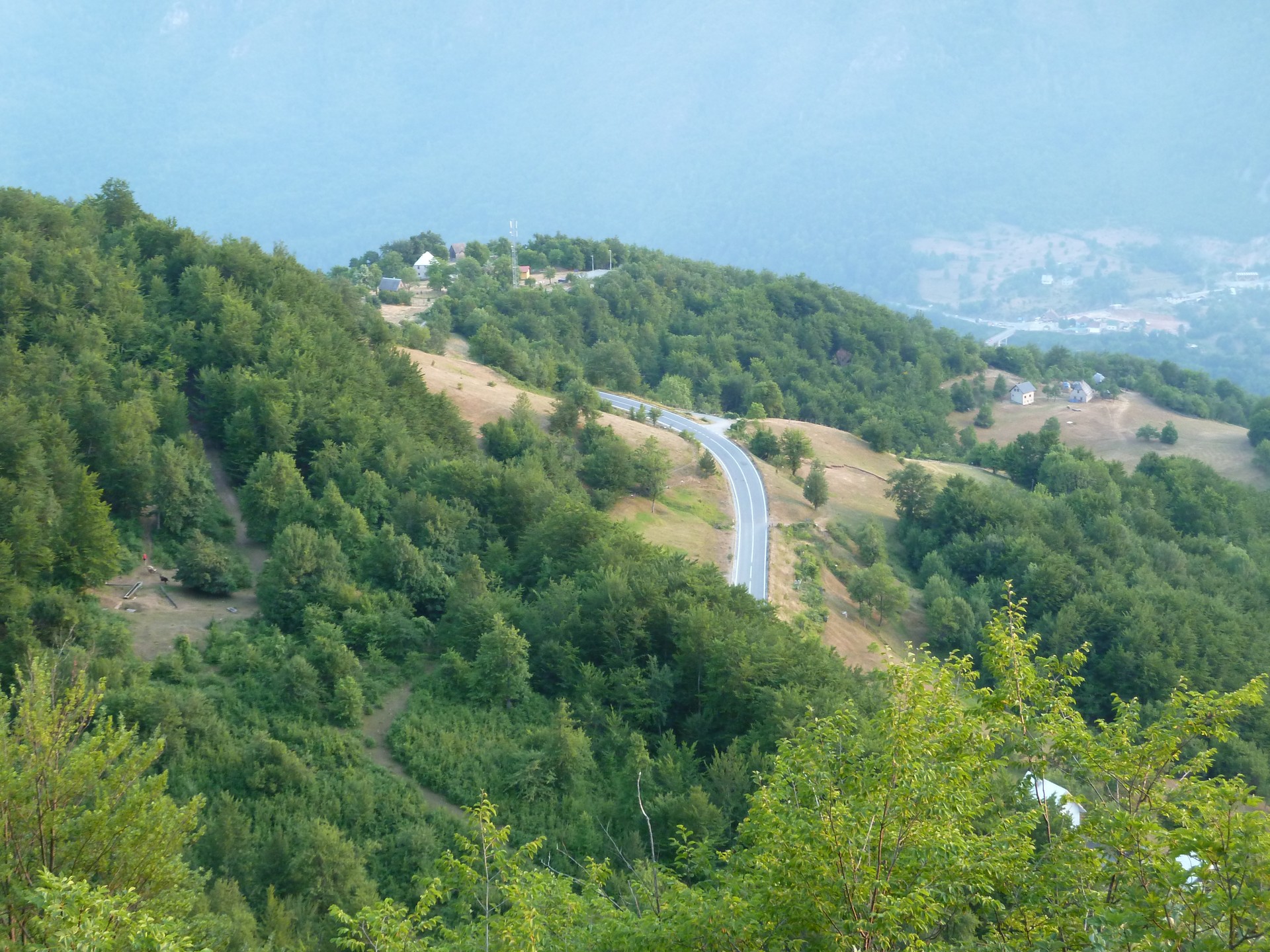
Montenegro vapustavad vaated | Montenegro’s stunning views
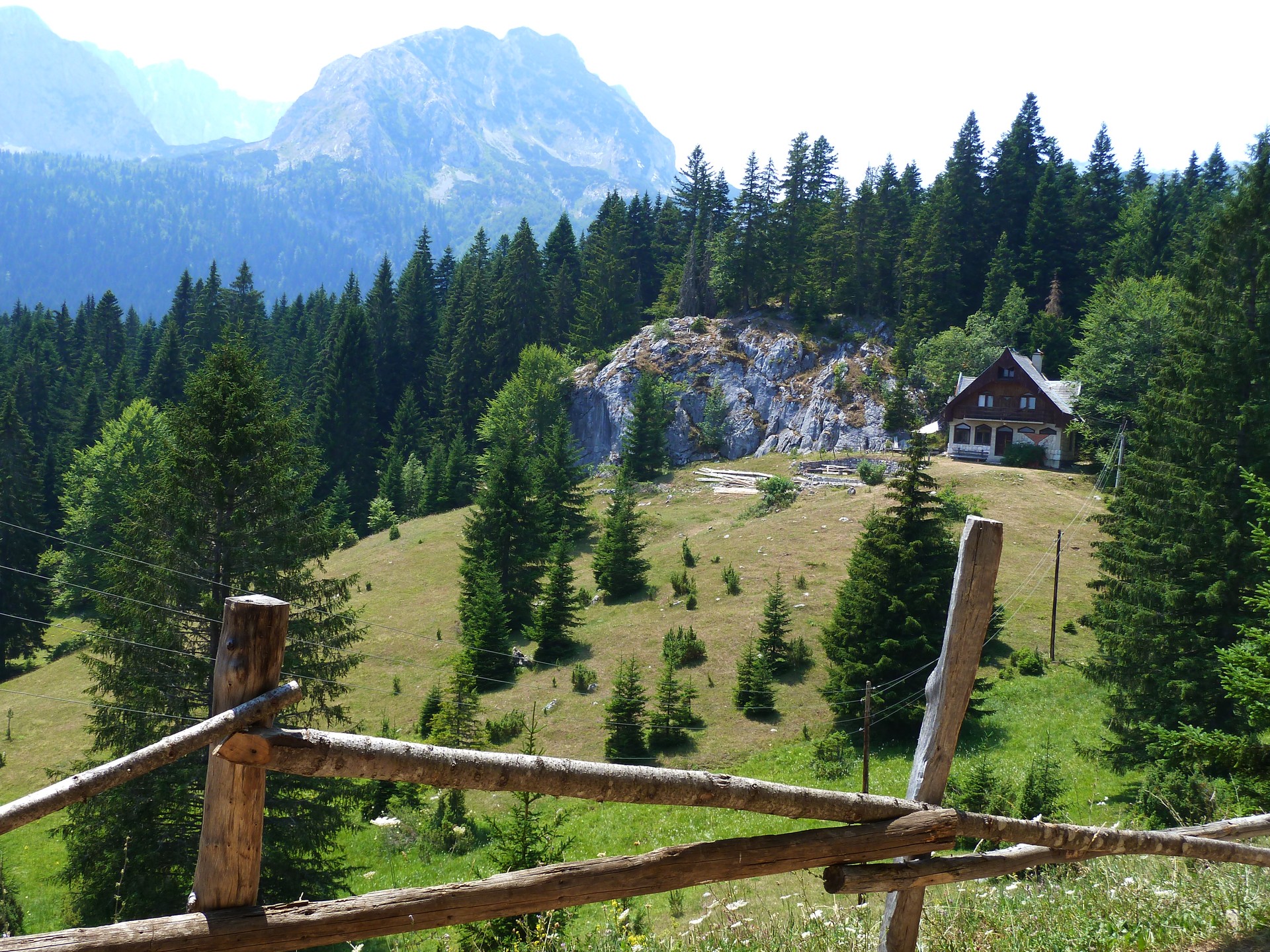
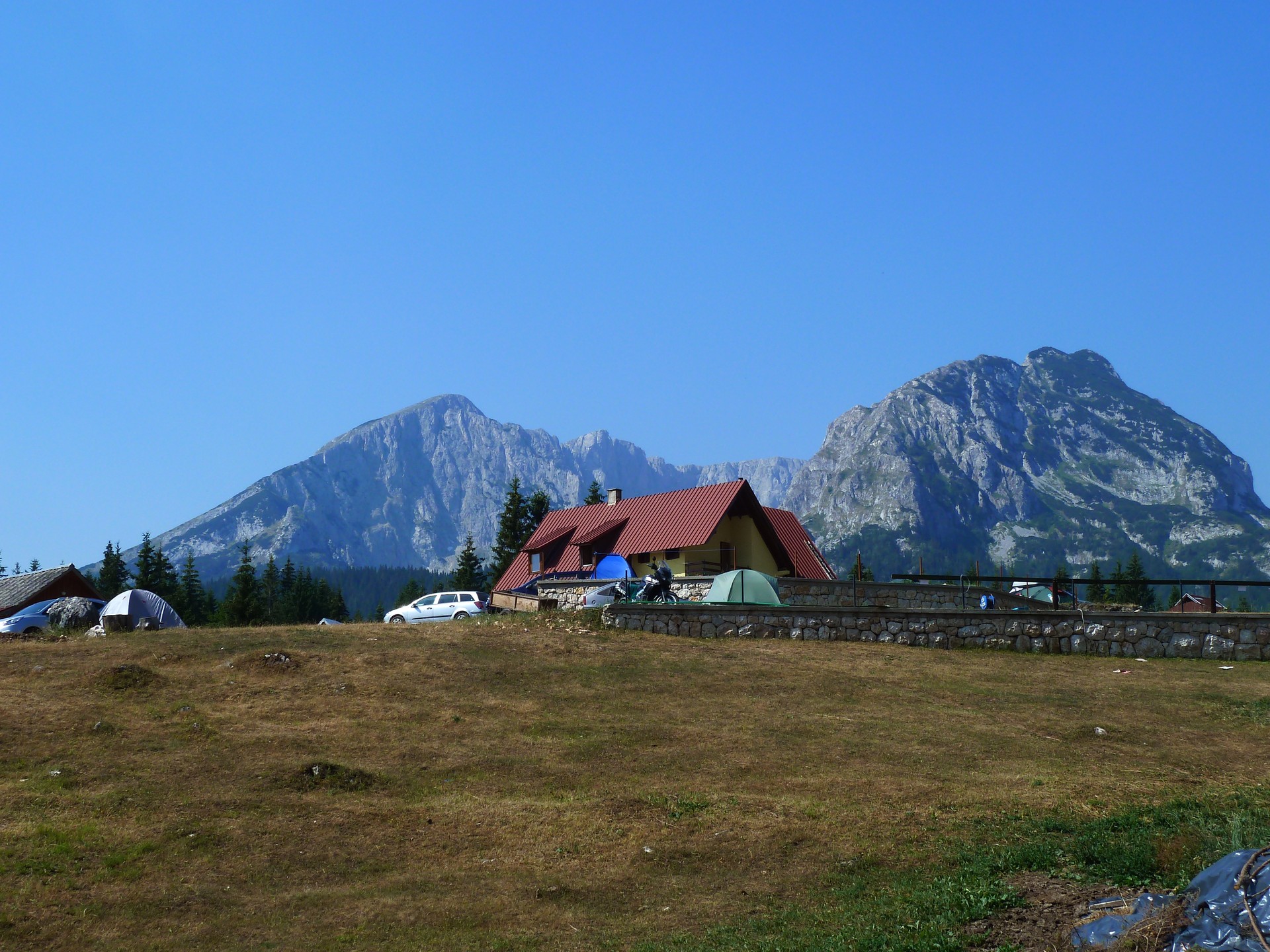
Kämping Ivan Do | Ivan Do camping

Reede oli meil jällegi rattavabaks päevaks planeeritud, suundusime hommikul Durmitori rahvusparki. Mõnus kolmetunnine jalutuskäik viis meid männimetsade vahel olevate mägijärvedeni. Imeilus loodus ja tervislik metsaõhk tekitasid mõnusa söögiisu, mida me just nende ridade kirjutamise ajal kustutame.

Friday was again planned as a bike-free day for us, we headed to Durmitor National Park in the morning. A pleasant three-hour walk took us to mountain lakes among pine forests. Beautiful nature and healthy forest air created a pleasant appetite, which we are satisfying right now while writing these lines.
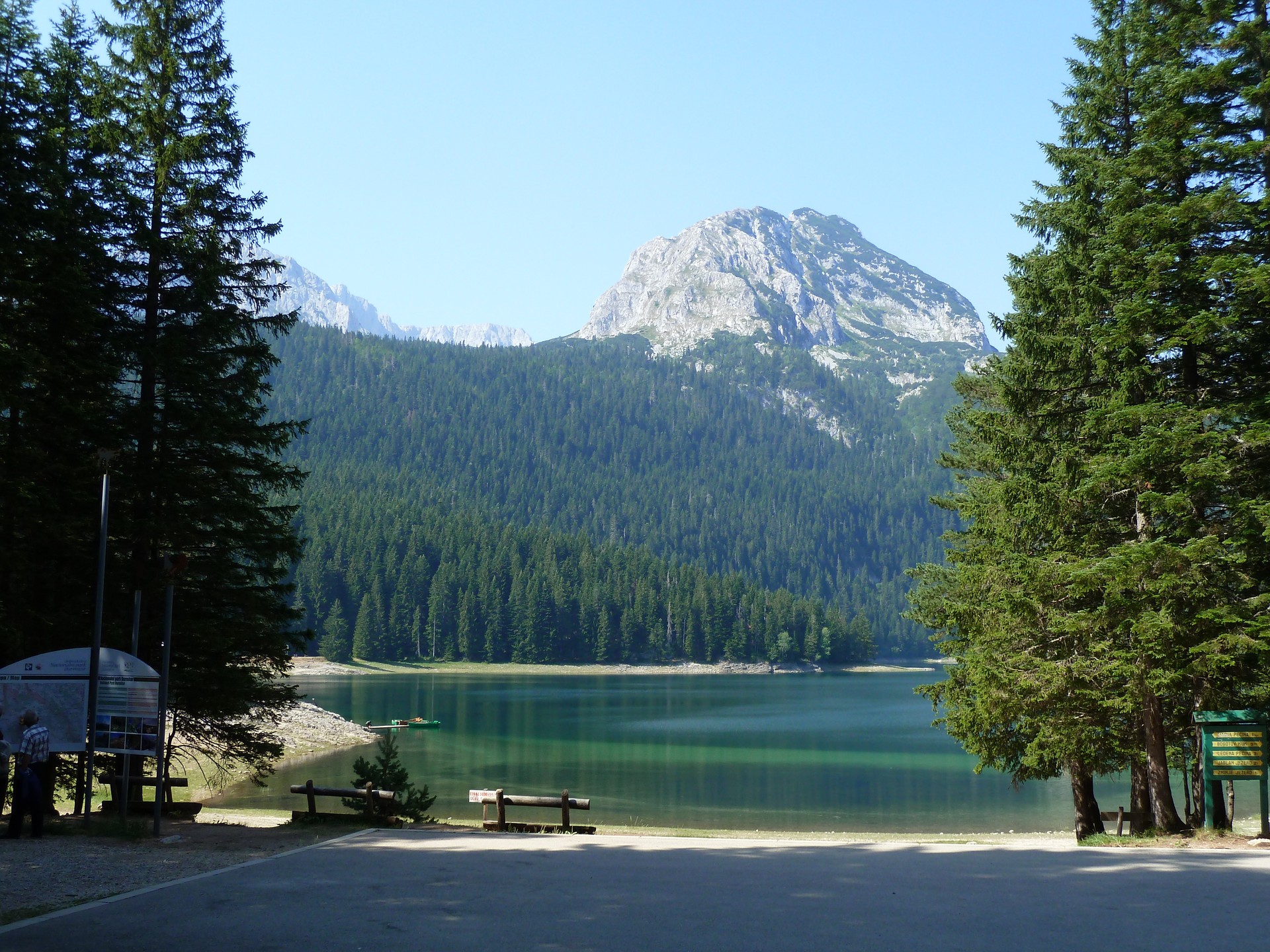
Vaade imekaunile mägijärvele | View of the beautiful mountain lake
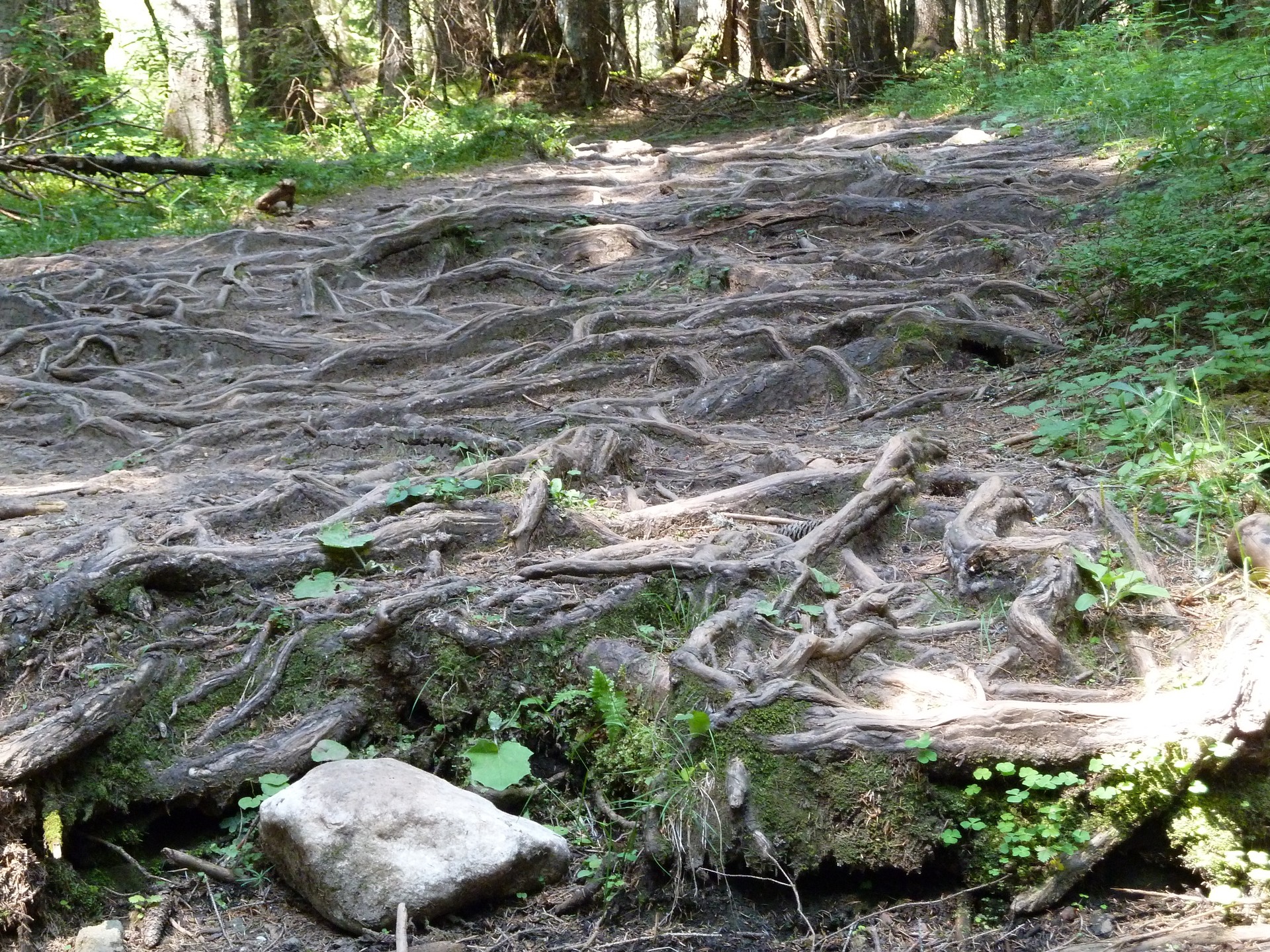
Männijuurte võrgustik | Network of pine roots
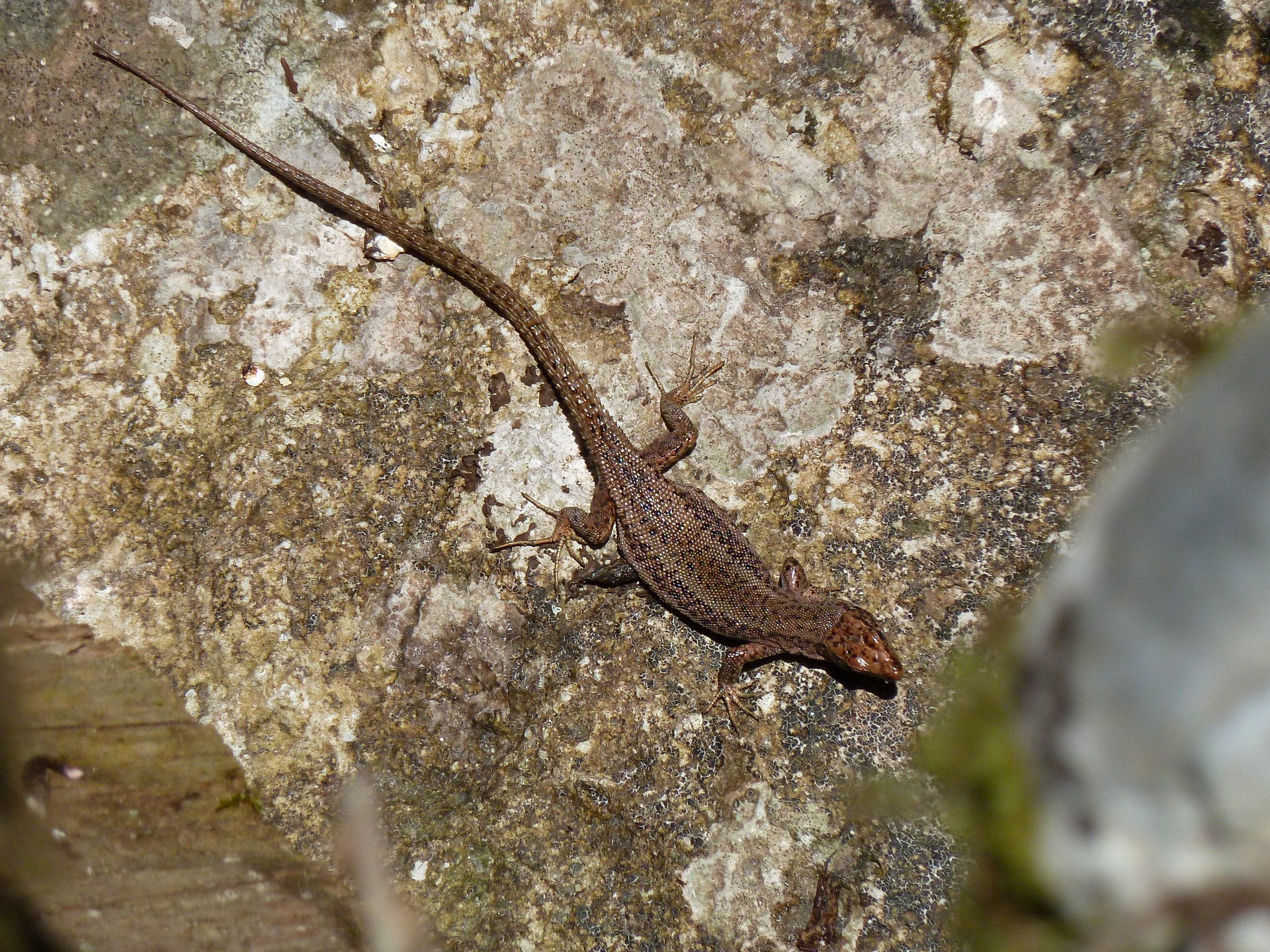
Päikese käes peesitav sisalik | Lizard basking in the sun
Ivan Do külake | Ivan Do village

21. juuli Montenegro – Kotor ja Budva

In 2012 Horvaatia by Teet Parring / 25. Jul 2012 / 2 comments

Meie tänase sihtmärgini – mereäärsesse Budva linna oli vaid ca 200 km, see on ka meie reisi kõige kaugem punkt, esmaspäeval hakkame läbi Horvaatia juba kodu poole tagasi sõitma.

To our today’s destination – the seaside town of Budva – was only about 200 km, this is also the furthest point of our trip, on Monday we’ll start driving back home through Croatia.

[breadcrumbs track=126531]

Teel Budvasse plaanisime Ostrogi kloostrist läbi sõita, see on üks Montenegro top 5 vaatamisväärsuste seas. Tuju ja olemine olid head, kuna teadsin, et lõuna paiku peaksime mere äärde jõudma. Ei lastud mul kaua rõõmustada, asi läks minu jaoks koledaks, kui keerasime väga imeliku, kitsa, peaaegu nagu mahajäetud tee peale. Ühtegi autot seal ei sõitnud, paar ratturit tuli vaid vastu. Jumal tänatud, et kedagi vastu ei tulnud, sest tee lookles mööda kivist kaljuseina ja tegi 180-kraadiseid pöördeid ja selles suhtes oli nähtavus täiesti nullilähedane, kuna midagi ei näinud nende käänakute taha. Ma ei julgenud iitsatadagi oma tagaistmel ja ringi ka ei julgenud vaadata, sest mul läks süda pahaks, kui ma sain aru, kui kõrgel me olime. Teepiirdeid praktiliselt polnud, nii et kuristikust allaveeremine ei oleks probleeme tekitanud. Tagantjärgi on naljakas mõelda, aga ma ikka tõsiselt kartsin. Ja kõige parem nali oli see, et kuidagi oskasime ikka ühest väikesest teeotsast mööda sõita ja nii me kloostrini ei jõudnudki.

On the way to Budva we planned to pass through Ostrog Monastery, which is one of Montenegro’s top 5 attractions. The mood and feeling were good, as I knew we should reach the sea around noon. I wasn’t allowed to rejoice for long, things got scary for me when we turned onto a very strange, narrow, almost abandoned road. Not a single car was driving there, only a couple of cyclists came towards us. Thank God no one was coming towards us, because the road wound along a rocky cliff face and made 180-degree turns and in that respect visibility was almost zero, as you couldn’t see anything behind those curves. I didn’t dare to breathe on my back seat and didn’t dare to look around either, because I felt sick when I realized how high up we were. There were practically no road barriers, so rolling down into the abyss wouldn’t have caused any problems. In retrospect it’s funny to think about, but I was really seriously scared. And the best joke was that somehow we managed to miss one small side road and so we never reached the monastery.

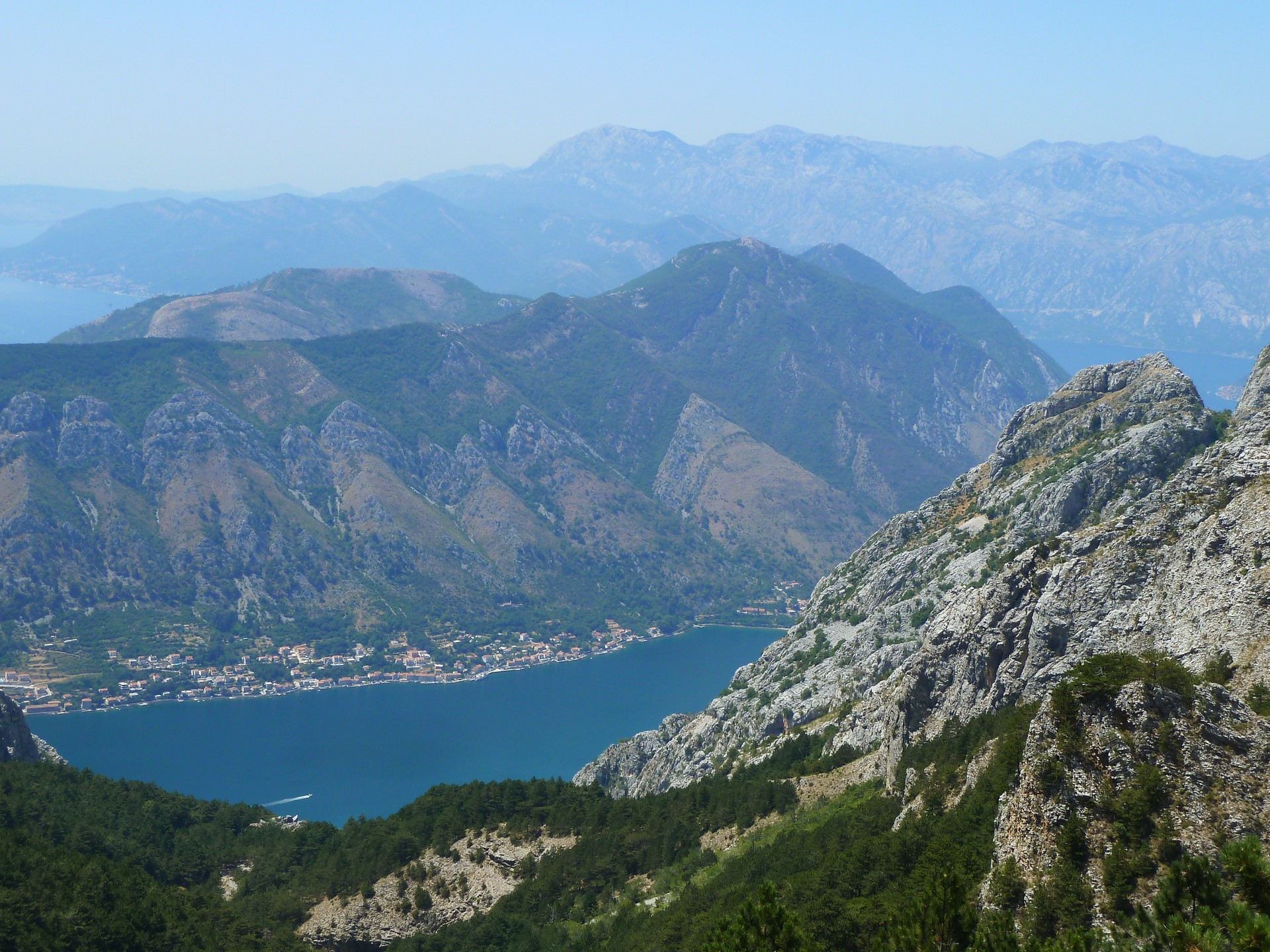
Peale pikka rassimist avanes imeilus vaade Kotori lahele | After long struggling, a beautiful view of the Bay of Kotor opened up

Tänast 200 km pikkust teekonda 35-kraadises kuumuses sõitsime 7,5 tundi, võite ette kujutada, kui väsinud me olime, samas muidugi õnnelikud, et tänane päev seljataga :).

Today’s 200 km journey in 35-degree heat took us 7.5 hours, you can imagine how tired we were, but of course happy that today was behind us :).

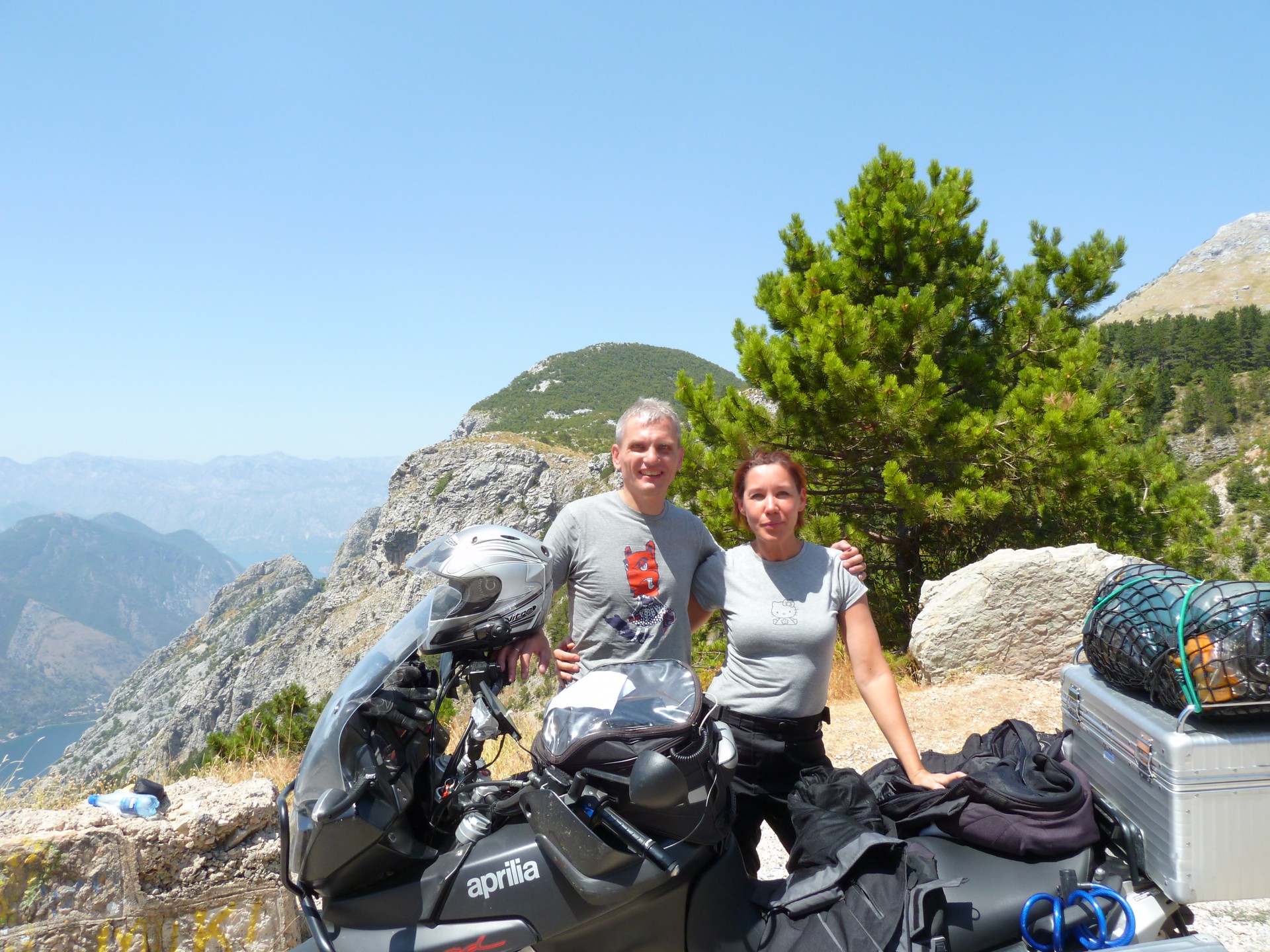
Kõige hullem on nüüd seljataga | The worst is now behind us

Budvasse olime kaheks ööks hosteli toa broneerinud, seda eelkõige sellepärast, et üks masinatäis pesu puhtaks pesta, siis peaksime reisi lõpuni oma vähese varustusega hakkama saama. Peatusime Hippo hostelis, see on sarnane Backpakersite hostelile. Ikka igasugu huvitavat rahvast on siin näha, jõudsime natuke lobiseda tütarlapsega, kes oli Seattlist pärit ja reisis üksi läbi Ida-Euroopa. Siis lobisesime pisut ühe soome noormehega, tema reisib üksi busside ja rongidega kokku 7 nädalat, samuti on praktiliselt kõik need Ida-Euroopa riigid läbi käinud. Väga vaprad on need üksikud seljakotireisijad, tõesti imetlen neid!

In Budva we had booked a hostel room for two nights, mainly because we needed to wash one machine load of laundry, then we should be able to manage with our limited equipment until the end of the trip. We stayed at Hippo hostel, which is similar to Backpackers hostel. There’s all kinds of interesting people to see here, we managed to chat a bit with a girl who was from Seattle and traveling alone through Eastern Europe. Then we chatted a bit with a Finnish young man, he’s traveling alone by buses and trains for a total of 7 weeks, and has also been through practically all these Eastern European countries. Very brave are these solo backpackers, I really admire them!

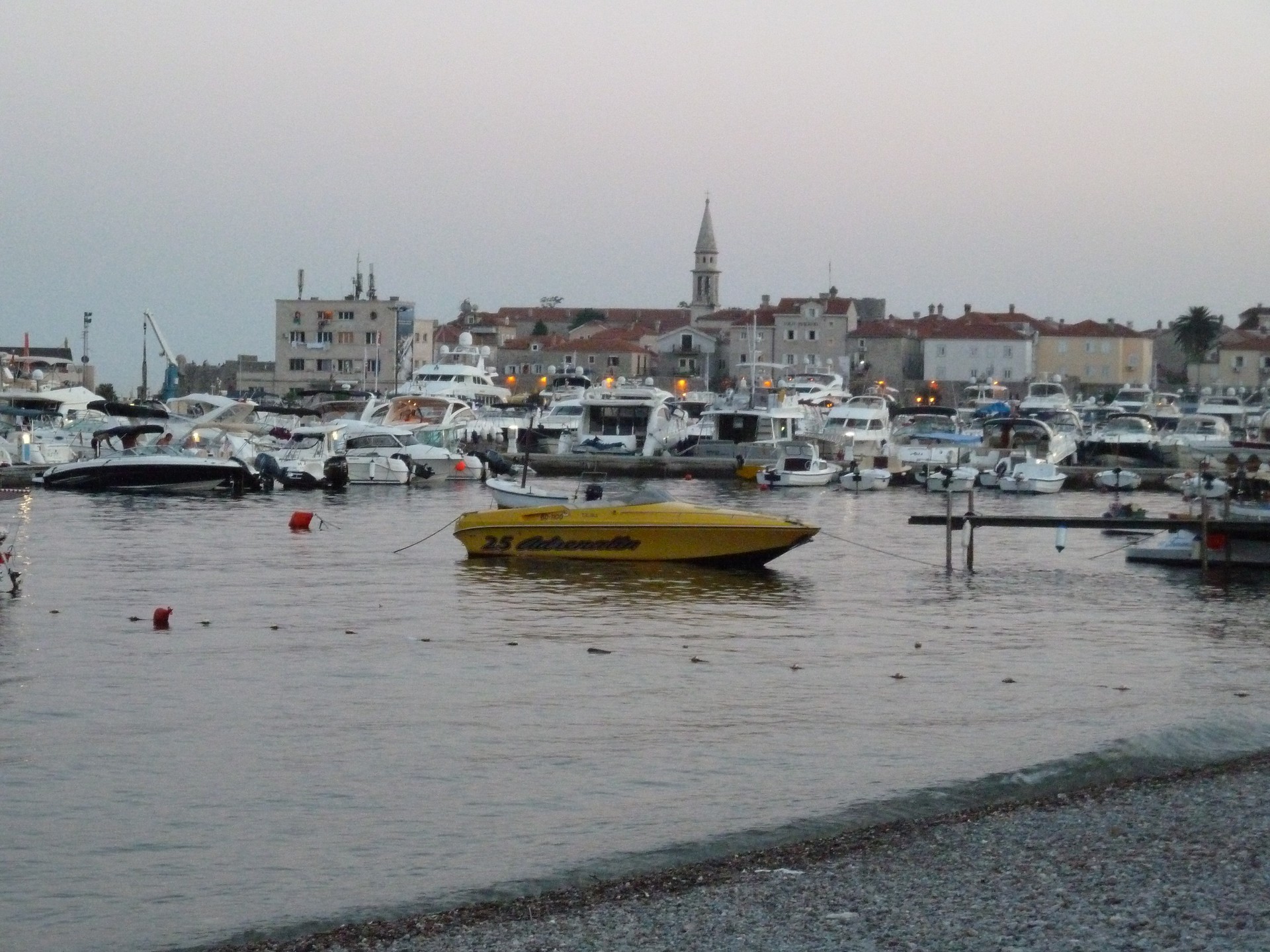
Vaade Budva vanalinnale | View of Budva old town

Budva linna nimetatakse ka Budovna Rivieraks, tema ilusadte liivarandade ja vilka ööelu tõttu. Elanikke on siin 18 tuhande ringis (Montenegros on kokku ~625 tuh elanikku) ja Budvat kutsutakse ka Montenegro Kuveidiks, sest tänu kohalikule kinnisvarabuumile on siinkandis kõige rohkem miljonäre elanike arvu suhtes.

The city of Budva is also called the Budva Riviera, due to its beautiful sandy beaches and lively nightlife. The population here is around 18 thousand (Montenegro has a total of ~625 thousand inhabitants) and Budva is also called the Kuwait of Montenegro, because thanks to the local real estate boom, this area has the most millionaires per capita.

See linn oli kunagi osa Veneetsia vabariigist | This town was once part of the Venetian Republic

Kui temperatuur õues juba vähegi kannatas, läksime kauaoodatud merd imetlema. Kell oli ~ kaheksa ringis õhtul, kogu rahvas, kes päev otsa rannal peesitas, tuli meile vastu. Kui meie kella 23 paiku hosteli poole tagasi sättisime, tuli kogu rahvas meile jälle teistpidi vastu, nüüd juba uhkelt sätitud ja lõhnastatud. Me ei ole kunagi soojamaa kuurortides käinud, aga ju see elu seal nii käibki, et päeval peesitad rannas ja õhtul promeneerid kontsakingades ja kenades tualettides rannapromenaadil, sööd mere kaldal õhtust ja kosud päevasest palavusest.

When the temperature outside was somewhat bearable, we went to admire the long-awaited sea. It was around 8 pm, all the people who had been sunbathing on the beach all day were coming towards us. When we headed back to the hostel around 11 pm, all the people were coming towards us again in the other direction, now smartly dressed and perfumed. We’ve never been to warm-climate resorts, but I guess life there goes like this: during the day you sunbathe on the beach and in the evening you promenade in high heels and nice outfits on the beach promenade, eat dinner by the sea and recover from the day’s heat.

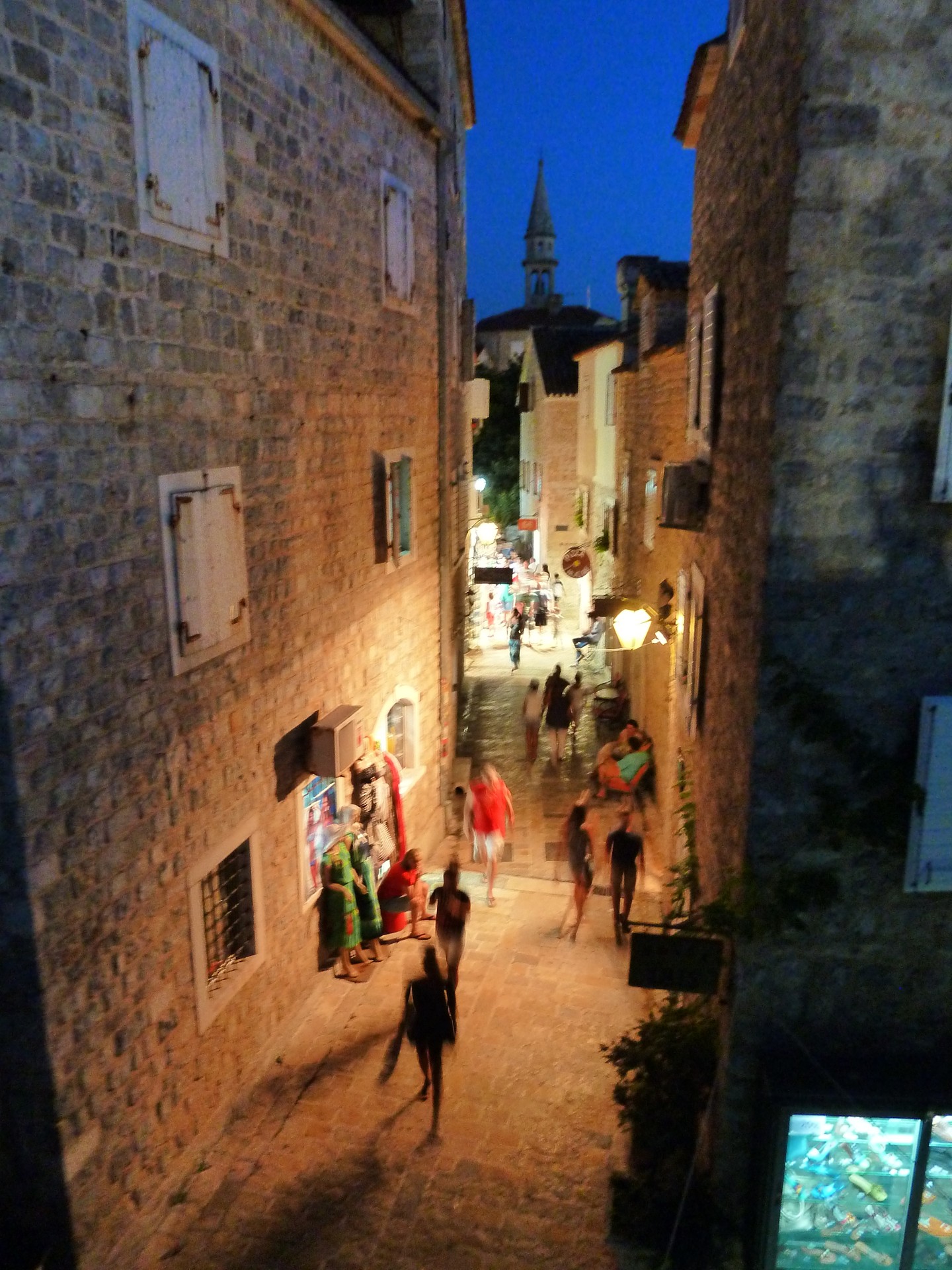
Hilisõhtune Budva | Late evening Budva

Vaatame, kuidas enesetunne homme on, muidu oli ka plaan rannamõnusid nautida ja natukenegi jumet peale saada.

Let’s see how we feel tomorrow, otherwise the plan was also to enjoy beach pleasures and get a bit of a tan.

22.07. – rannapäev Budvas

In 2012 Horvaatia by Teet Parring / 24. Jul 2012 / No comments

Tänase päeva veetsime rannas. Budva linna üheks tõmbenumbriks on liivarannad. Liiv võrdub siin küll meie mõistes peenikese kiviklibuga kuid parem ikka kui kaljud.

We spent today at the beach. One of Budva’s main attractions is its sandy beaches. Sand here equals fine pebbles in our understanding, but still better than rocks.

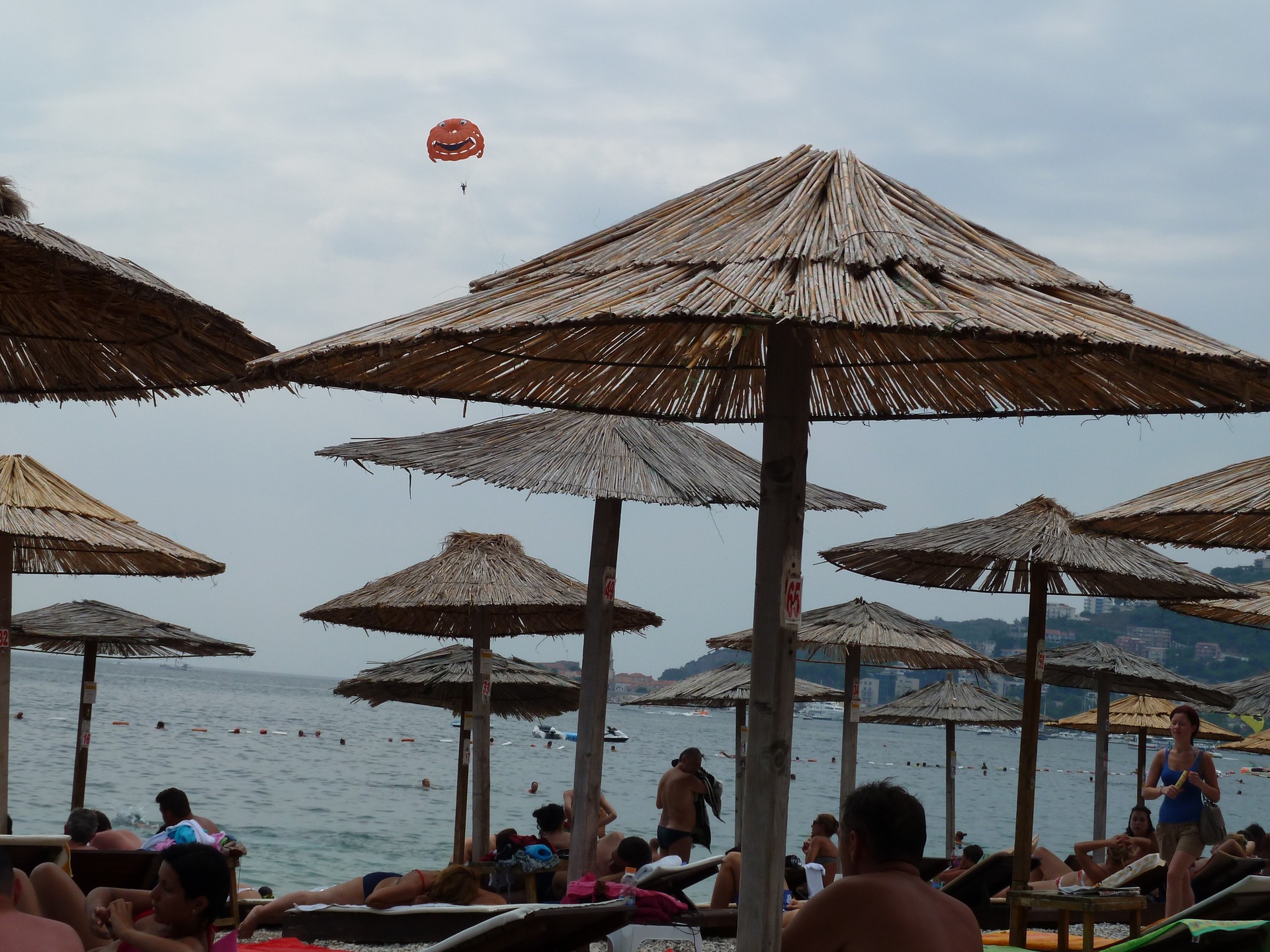
Budva rannas | At Budva beach

Rannas rentisime kaks lamamislavatsit õlgedest päikesevarju all ja hakkasime kohe päevitamisega pihta. Päevitamine ei olnudki kõige hullem. Taevas oli suhteliselt pilvine, kuid päike piilus ka aeg-ajalt pilvede vahelt ning vahepeal käisime ka meres ennast värskendamas.

At the beach we rented two sun loungers under a straw umbrella and immediately started sunbathing. Sunbathing wasn’t the worst part. The sky was relatively cloudy, but the sun also peeked out from between the clouds from time to time, and in between we also went to the sea to refresh ourselves.

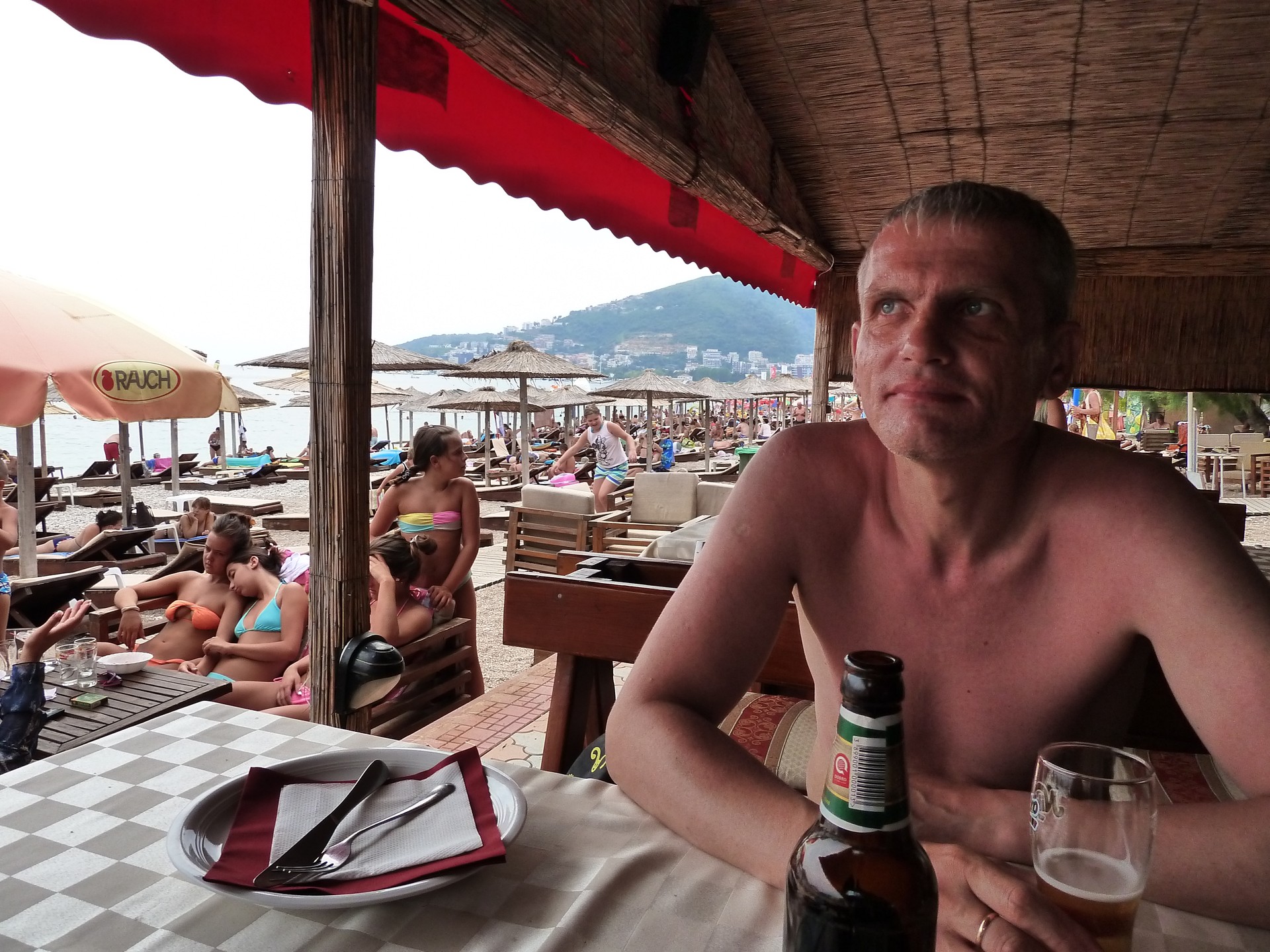
Lõuna rannarestoranis… | Lunch at the beach restaurant…
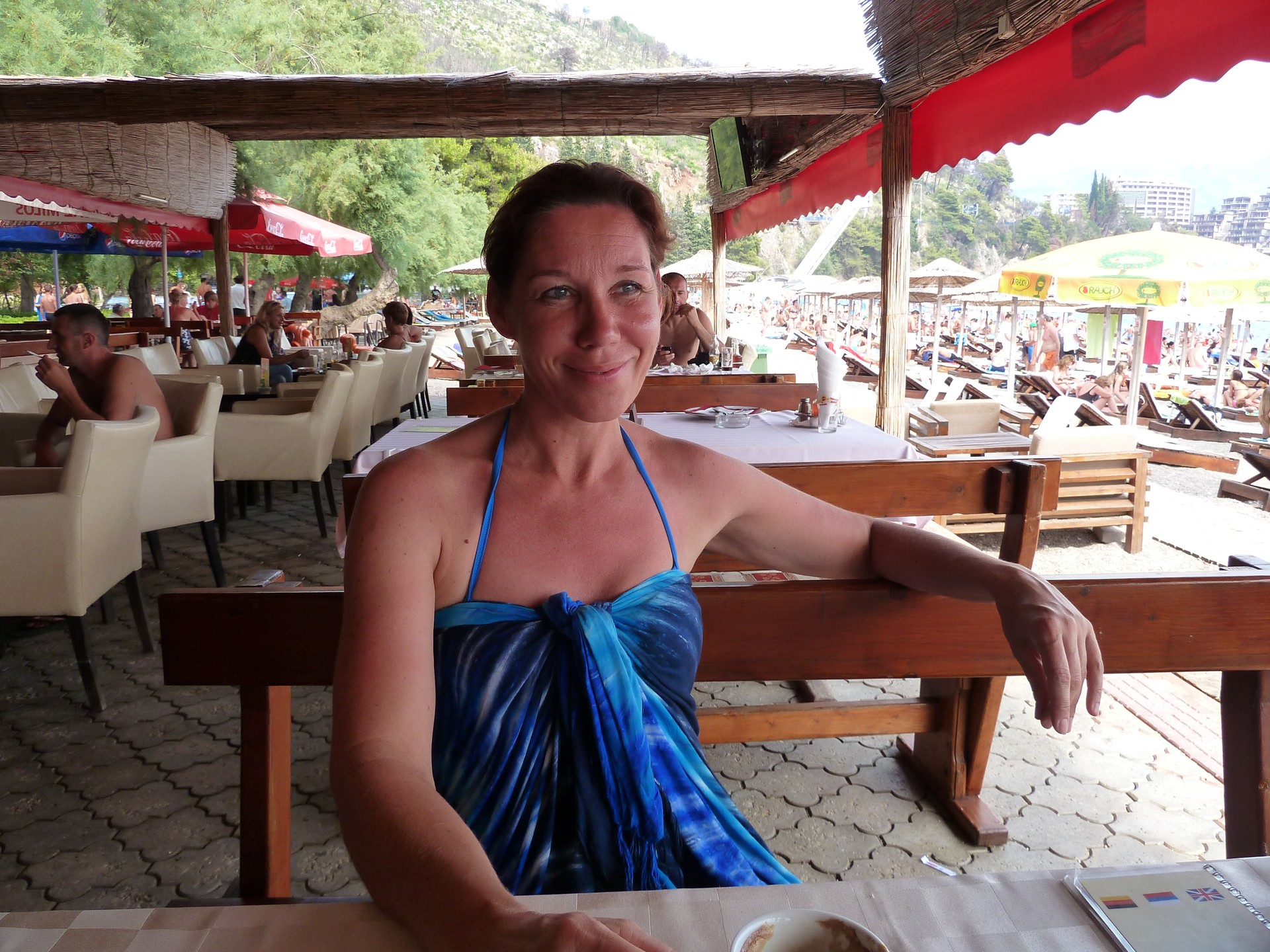
… koos imekauni kaaslasega | … with a beautiful companion

Tegemist on üsna tüüpilise kuurordiga. Inimesed peesitavad üksteise kõrval olevatel lamamistoolidel. Nende vahel kõnnivad iga natukese aja tagant müügimehed, kes pakuvad sõõrikuid, maisi või päevitusõli. Rannast veidi eemal sõitsid ringi kaatrid vedades inimesi küll “banaanil”, kummirõngal kui langevarjuga, ka benji-hüppeid tehti sealsamas lähedal. Kohe meie kõrval oli ka rannarestoran, kus saime vahepeal nälga kustutada. Saimegi veidi puhata, lugeda ja mõnuleda, tundub, et ka päike hakkas peale.

This is quite a typical resort. People sunbathe on sun loungers next to each other. Between them, salesmen walk around every now and then offering donuts, corn or suntan oil. A bit away from the beach, speedboats drove around pulling people on “bananas”, rubber rings and parachutes, bungee jumping was also done nearby. Right next to us was also a beach restaurant where we could satisfy our hunger in between. We got to rest a bit, read and relax, it seems the sun also started to shine.

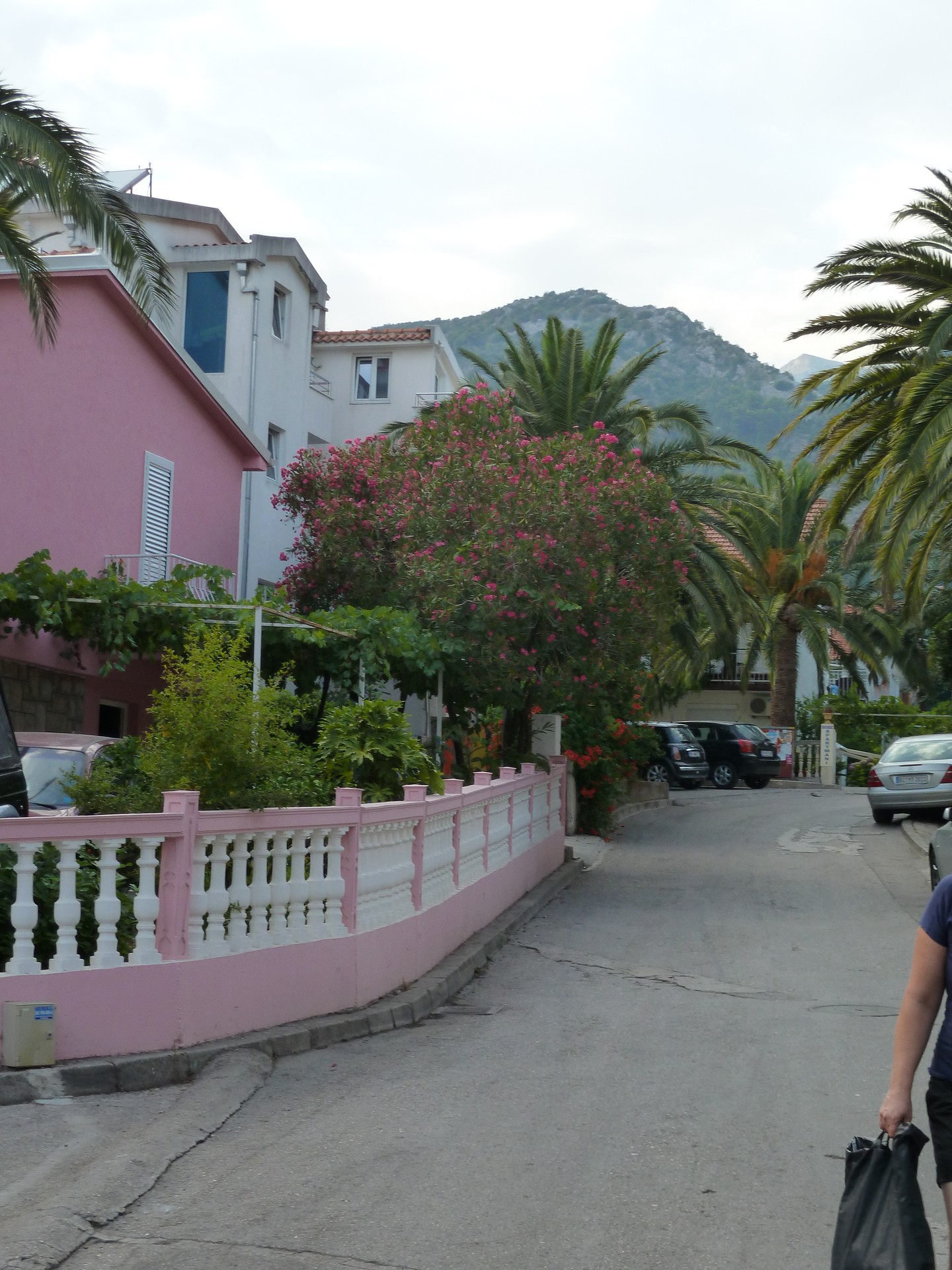
Kodutänav | Home street

Suutsin isegi Ingele päevitamises “ära teha”. Kui tavaliselt kaon mina esimesena rannast mõnda varjulisemasse kohta, siis seekord oli Inge see, kes peesitamisest esimesena tüdines.
I even managed to “outlast” Inge in sunbathing. While usually I’m the first to disappear from the beach to some shadier place, this time it was Inge who got tired of sunbathing first.

23.juuli Horvaatia – Dubrovnik

In 2012 Horvaatia by Teet Parring / 23. Jul 2012 / 4 comments

Tervitused Dubrovnikust! Olemegi Horvaatiasse jõudnud, üldse ei imesta, miks kõik, kes siin käinud on, kiidavad seda riiki taevani. Vaated mägedest alla mereäärsetele linnakestele on üldiselt väga sarnased Montenegrole, sealsed mäed on muidugi veelgi kõrgemad ja võimsamad, aga see, et siin nii puhas ja korras ja hoolitsetud on, seda on küll heameel näha. Serbias ja Montenegros jäi silma Rumeenias nähtud üleüldine lohakus ja mustus. Kõik, mis ülearune tundub, visatakse lihtsalt maha ja sinna see jääbki, hästi kahju, et ilusat loodust ei hoita. Võib-olla peaks Rainer Nõlvaku oma koristustalgutega sinna saatma 🙂

Greetings from Dubrovnik! We’ve reached Croatia, I’m not at all surprised why everyone who’s been here praises this country to the skies. The views from the mountains down to the seaside towns are generally very similar to Montenegro, the mountains there are of course even higher and more powerful, but seeing how clean and tidy and well-maintained it is here is really nice. In Serbia and Montenegro we noticed the general sloppiness and dirtiness seen in Romania. Everything that seems unnecessary is just thrown down and stays there, it’s such a shame that beautiful nature isn’t being cared for. Maybe Rainer Nõlvak should be sent there with his cleanup campaigns 🙂

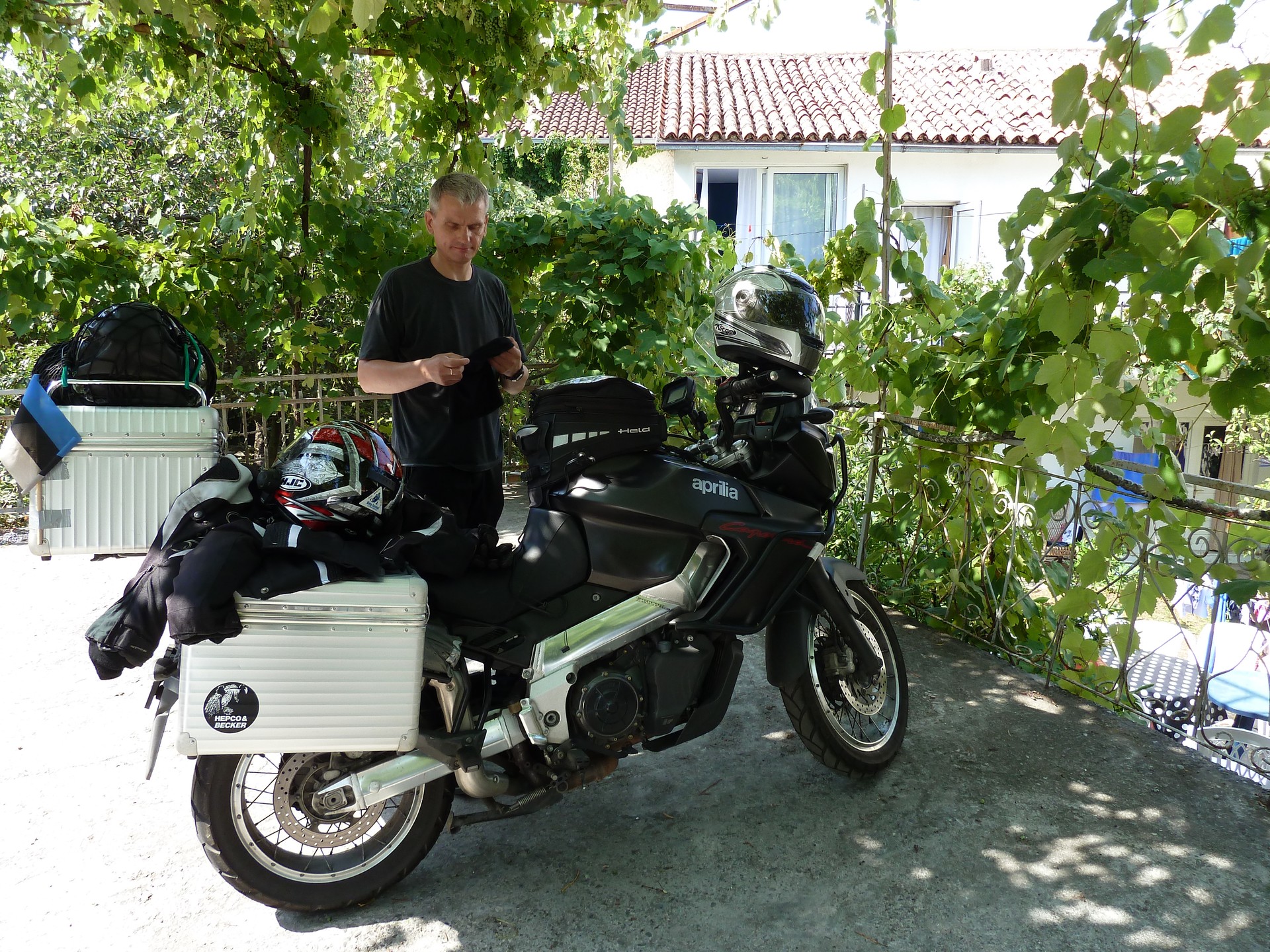
Enne starti Budvas | Before starting in Budva

Motikaga sõitmisel on hea eelis veel see, et igasugustest pikkadest piiriületusjärjekordadest ja linnaummikutest saab kerge vaevaga mööda. Montenegrost Horvaatiasse sõites kuumenes meil mootor ühes aeglaselt venivas järjekorras peaaegu üle, jäime mõneks ajaks teeääres seisma, lasime mootoril jahtuda ja hakkasime edaspidi järjekordadest mööda sõitma. Autojuhid olid väga mõistvad ja tõmbasid kenasti kõrvalel, nii et jõudsime suhteliselt plaanipäraselt meie tänasesse ööbimiskohta Dubrovniku läheduses.

A good advantage of riding a motorcycle is that you can easily bypass all kinds of long border crossing queues and city traffic jams. Driving from Montenegro to Croatia, our engine almost overheated in one slowly moving queue, we stopped by the roadside for a while, let the engine cool down and started bypassing queues from then on. The car drivers were very understanding and pulled aside nicely, so we reached our today’s accommodation near Dubrovnik relatively on schedule.

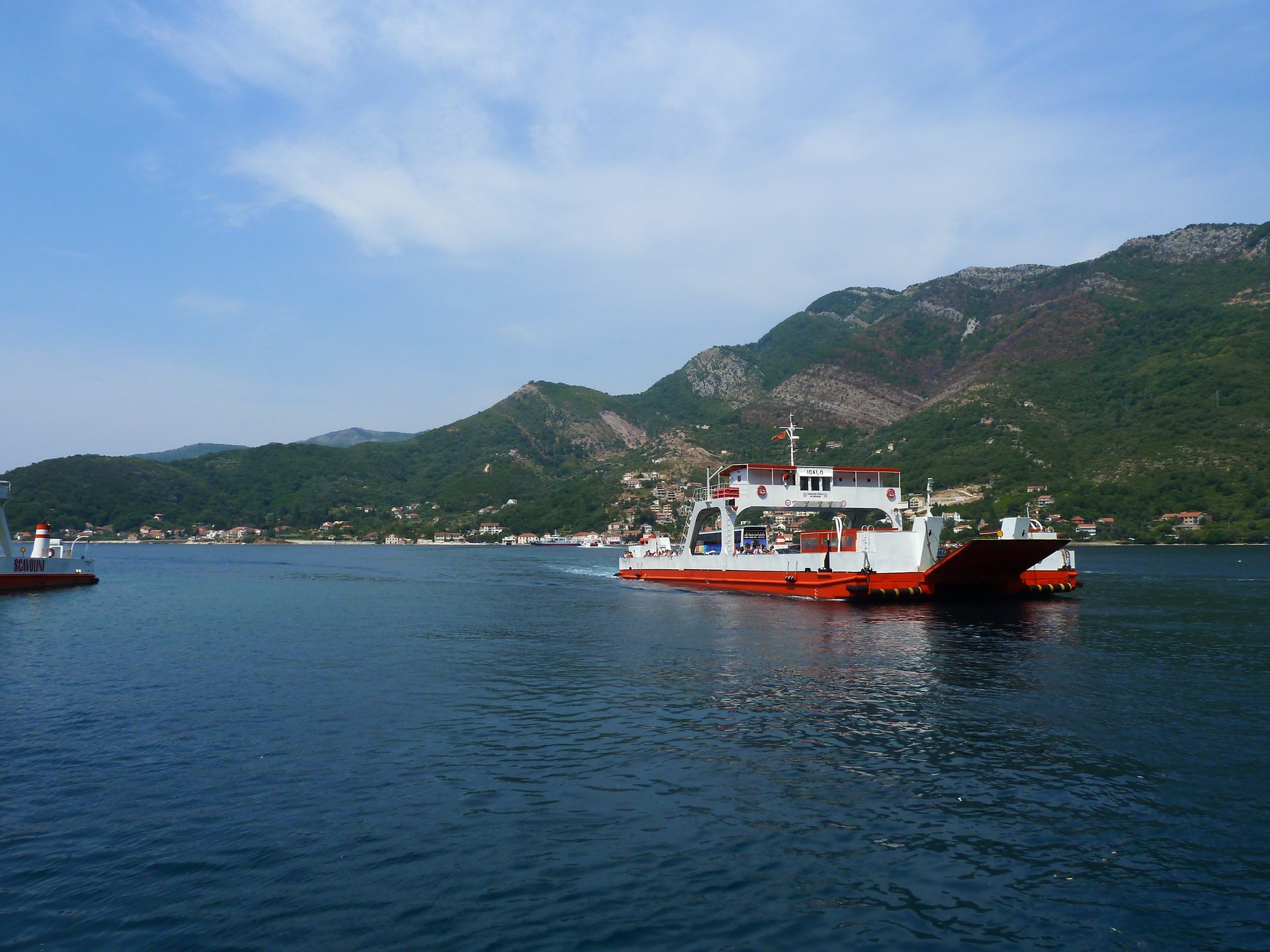
Praamiga üle Kotori lahe | Ferry across the Bay of Kotor

Soovitan kõigil, kes oma autoga või karavaniga reisib, siin Solitudo kämpingus peatuda, mererannani on siit 5 min jalutuskäik, kämpingul on oma restoran, kus sõime imemaitsvat õhtusööki, siin on korralikud pesemisvõimalused, pesumasinad, väike kauplus on kohe siin kõrval, tõesti väga head tingimused! Bussipeatus, kust saab 15-minutiga vanalinna sõita, on samuti vaid mõne minuti jalutuskäigu kaugusel.

Kui Montenegros nägime laias laastus lisaks kohalikele vaid Serbia numbrimärgiga autosid ja kuulsime palju vene keelt, siis siin on pilt hoopis teine. Tundub, et kogu Lääne-Euroopa on siia puhkama tulnud, ainuke, mida ei näinud, olid Serbia ja Montenegro autod, seda ka arusaadavatel põhjustel…

I recommend everyone traveling with their own car or caravan to stop at this Solitudo camping, it’s a 5-minute walk from here to the beach, the camping has its own restaurant where we ate a delicious dinner, there are proper washing facilities, washing machines, a small shop is right next door, really very good conditions! The bus stop, from where you can get to the old town in 15 minutes, is also just a few minutes walk away.

While in Montenegro we basically only saw cars with Serbian license plates in addition to locals and heard a lot of Russian, here the picture is completely different. It seems that all of Western Europe has come here on vacation, the only thing we didn’t see were Serbian and Montenegrin cars, for understandable reasons…

[breadcrumbs track=126635]

Kuna jõudsime kämpingusse kõige palavamal ajal, siis ma ka suure tahtmise korral ei oleks suutnud linna jalutama minna. Veetsime paar tunnikest rannas lugedes, sõime meeldivas seltskonnas maitsvat õhtusööki ning alles siis sättisime Dubrovnikusse ringkäigule.

Since we arrived at the camping during the hottest time, I wouldn’t have been able to go for a walk in the city even if I really wanted to. We spent a couple of hours at the beach reading, ate a delicious dinner in pleasant company, and only then set off for a tour of Dubrovnik.

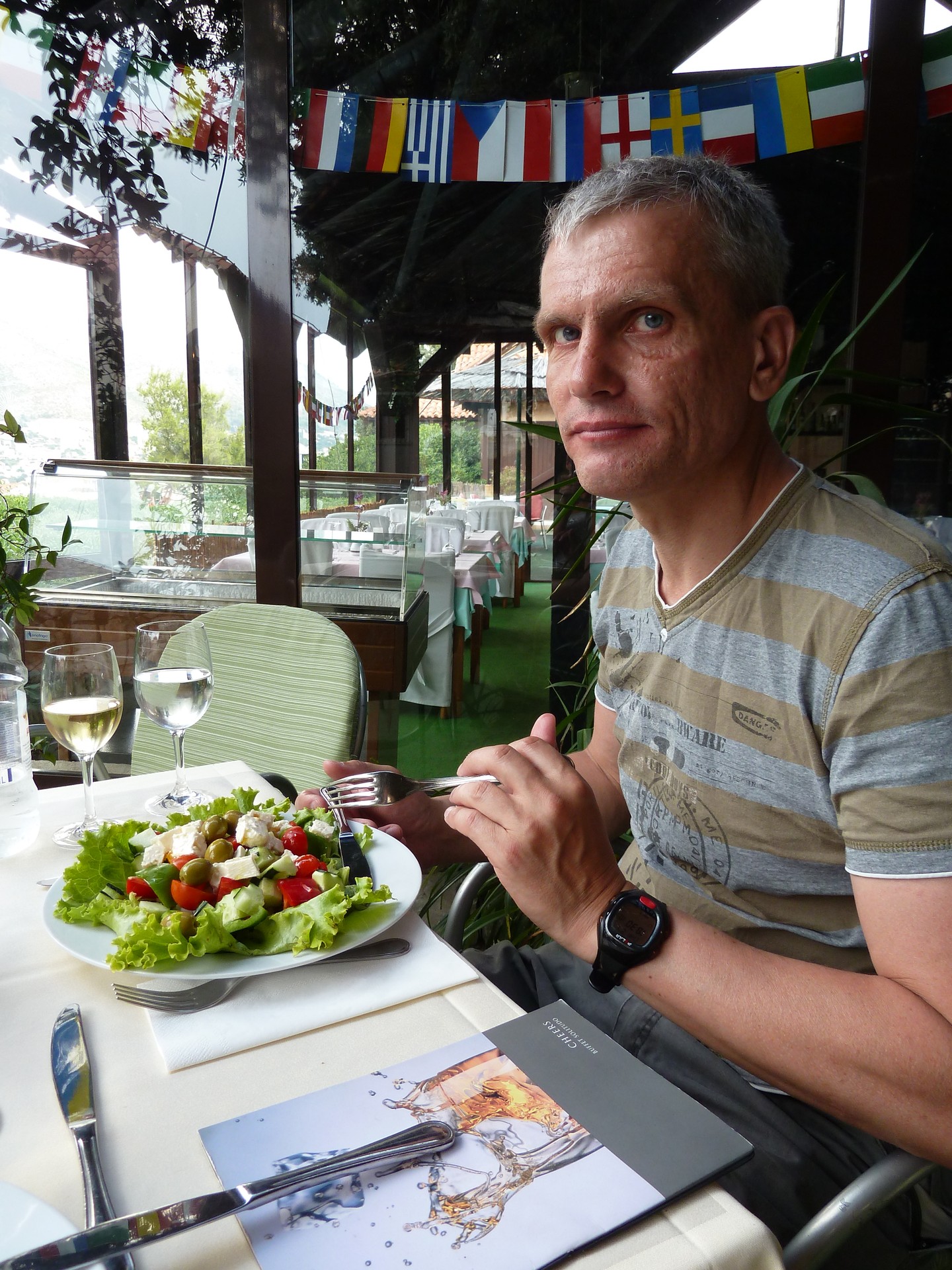
Õhtusööki nautimas 1 | Enjoying dinner 1
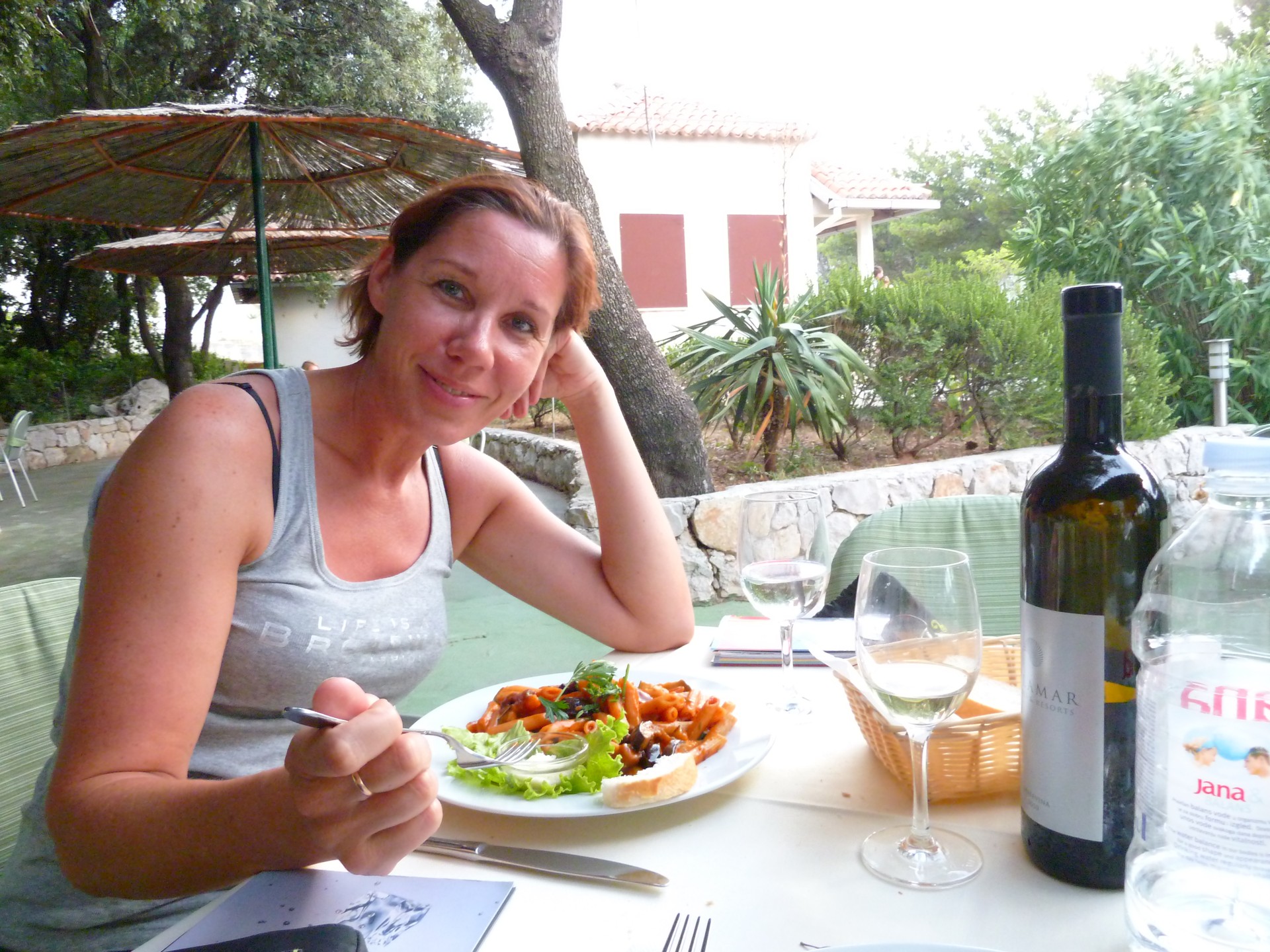
Õhtusööki nautimas 2 | Enjoying dinner 2

Ei tea, kas see muutub juba reegliks, aga nagu Krakovi vanalinnas, nii ka Dubrovnikusse jõudes jäime suure vihma kätte. Kuigupalju olime jõudnud juba ringi vaadata ja aru saada, kui armas ja ilus ja puhas linnake see on, kui hakkas sellist vihma, välku ja muristamist tulema, et pidasime targemaks ühte kirikusse varjule minna. See oli küll väga romantiline: vaikus, rahu seal sees ja väljas möllab raju ning taevas välgub :). Meil on alati oma lugemine kotikeses kaasas, nii saime kirikuski vihmasaju lõppu oodates nö meeldiva kasulikuga ühendada.

I don’t know if this is becoming a rule, but just like in Krakow’s old town, we also got caught in heavy rain when we arrived in Dubrovnik. We had already managed to look around and understand what a lovely and beautiful and clean little town this is when such rain, lightning and thunder started coming that we thought it wiser to take shelter in a church. It was very romantic: silence, peace inside and outside the storm rages and the sky flashes :). We always have our reading material in our bag, so we managed to combine the pleasant with the useful while waiting for the rain to end in the church.

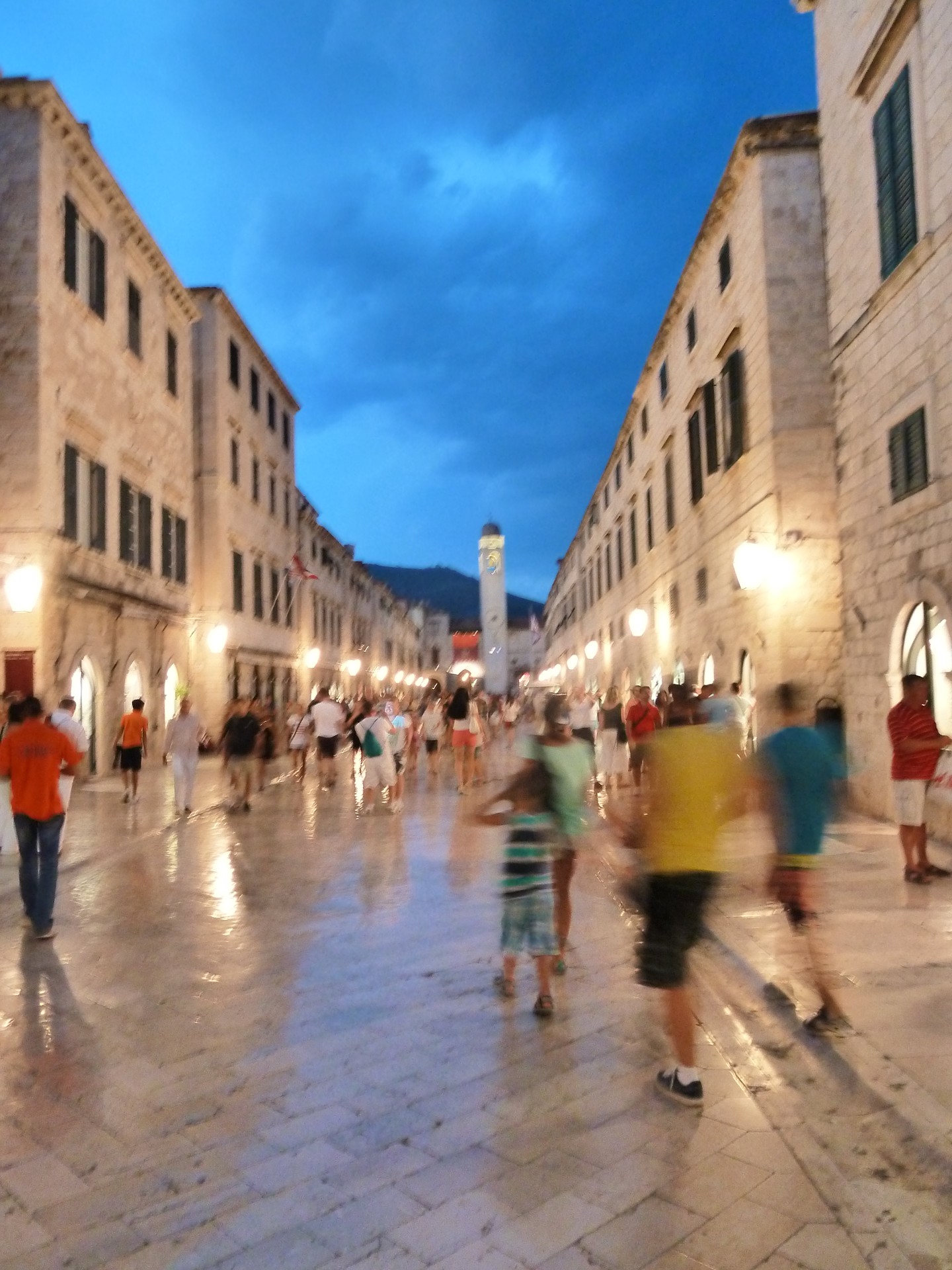
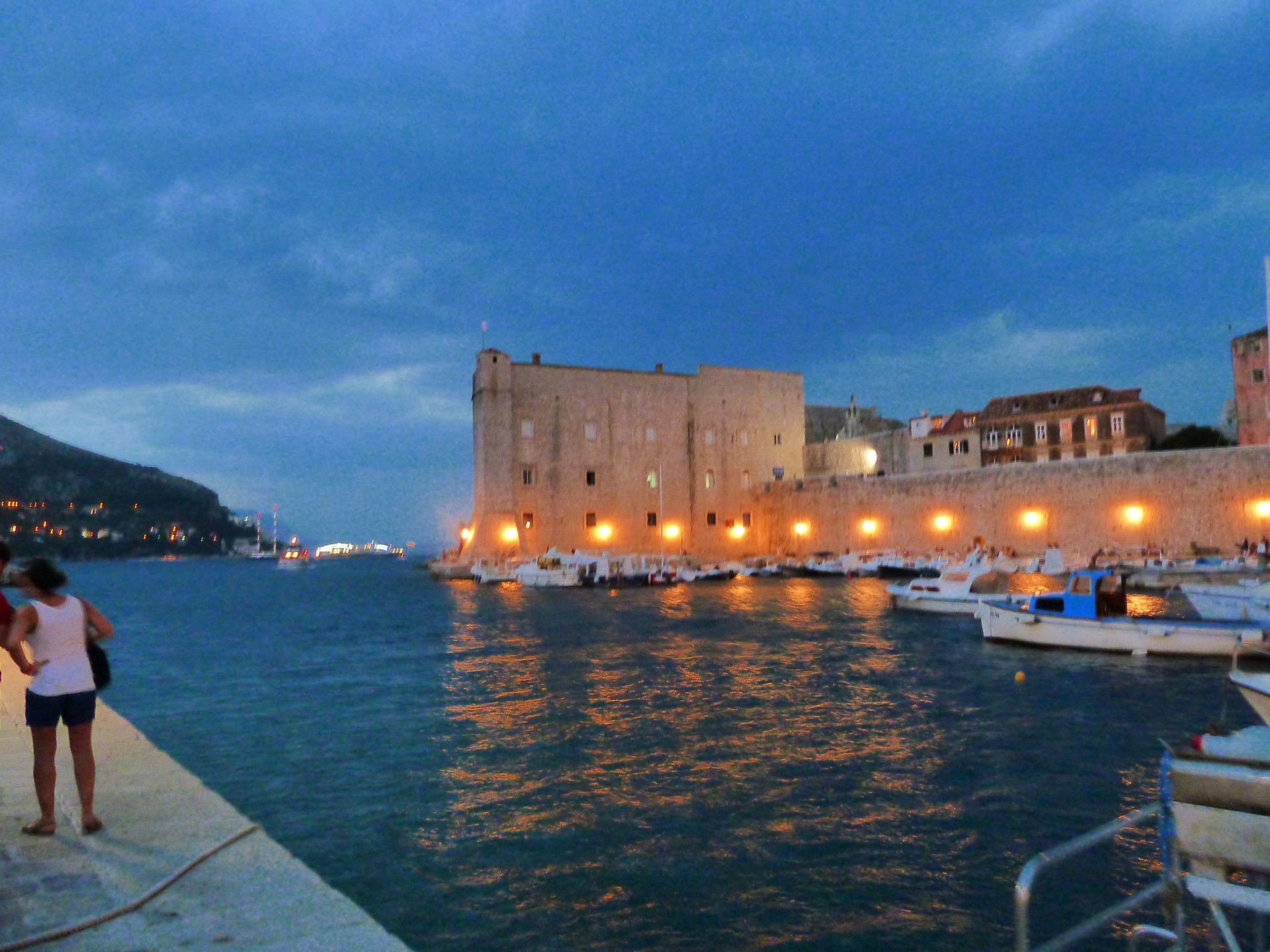
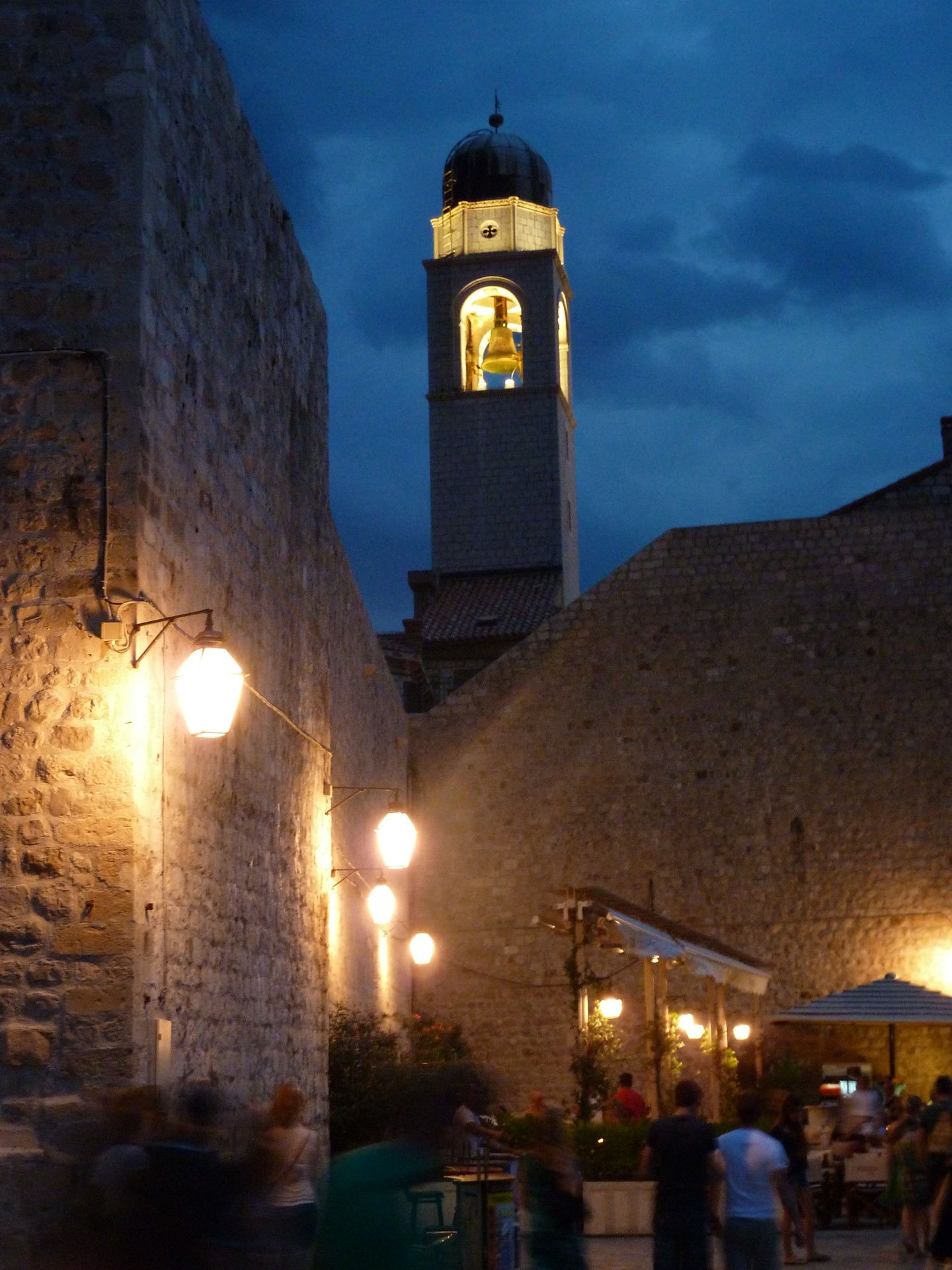
Dubrovniku vanalinn | Dubrovnik old town
Kohe hakkab sadama… | It’s about to rain…
Stari grad pimeduses | Stari grad in the dark

Loodetavasti teeb öine vihmasadu õhu värskeks ja pisut jahedamaks, homme, teisipäeva hommikul sõidame Spliti poole, kus veedame kaks ööd.

Hopefully the night rain will make the air fresh and a bit cooler, tomorrow, Tuesday morning we’ll drive towards Split, where we’ll spend two nights.

Teekond Dubrovnikust Split’i 24. juuli

In 2012 Horvaatia by Teet Parring / 22. Jul 2012 / No comments

Hommik Dubrovniku kämpingus oli väga mõnus: õhk oli peale öist vihma veel värske ja kohv ning praetud saiad ploomimoosiga maitsesid väga hästi. Taevas oli veidi pilvine, kuid päike piilus peaaegu kogu aeg pilvepragudest välja. Olime valmis järjekordseks palavaks sõidupäevaks. Enne teeleasumist tekkis ootamatu probleem GPSiga, mingil põhjusel ei saanud see voolu ja keeldus seega ka igasugust teed näitamast. Leidsime ka sellele probleemile lahenduse, mille osadeks oli USB juhe ja McGyveri teip. Asusime teele Spliti poole.

The morning at Dubrovnik camping was very pleasant: the air was still fresh after the night rain and coffee and fried bread with plum jam tasted very good. The sky was a bit cloudy, but the sun peeked out from between the clouds almost all the time. We were ready for another hot driving day. Before setting off, an unexpected problem arose with the GPS, for some reason it wasn’t getting power and therefore refused to show any route. We also found a solution to this problem, which consisted of a USB cable and MacGyver tape. We set off towards Split.

Palavat päeva aga seekord ei tulnudki, ilm oli mõnusalt pilvealune ja temperatuur alla 30 kraadi. (Tundub, et 30 kraadi ongi meie põhjamaalaste jaoks selline piir, milles kõrgem temperatuur tundub väga palav ja madalam on üsna talutav). Meie teekonda kaardilt vaadates võib näha, et tegelikult ei kuulugi kogu rannikuala Horvaatiale; vahepeal on umbes kahekümnekilomeetrine teelõik, mis läbib Bosnia ja Herzegovinat. Seega saime veel ühe uue riigi oma nimekirja. Teel oli isegi Bosnia passikontroll, nii sisse sõites kui ka väljudes; Horvaadid aga sellele aega ja raha ei kulutanud. Piiriületus läks probleemideta, kui piirivalvur aru sai, et oleme Eestist, siis viipas ta meid kohe edasi. Horvaatiasse uuesti sisenedes oli päris pikk autode järjekord, millest me juba tavaks saanud kombel lihtsalt mööda sõitsime.

But a hot day didn’t come this time, the weather was pleasantly cloudy and the temperature was below 30 degrees. (It seems that 30 degrees is such a threshold for us northerners, where a higher temperature feels very hot and lower is quite bearable). Looking at our route on the map, you can see that actually not all of the coastal area belongs to Croatia; in between there is about a twenty-kilometer stretch of road that goes through Bosnia and Herzegovina. So we got another new country on our list. There was even a Bosnian passport control on the road, both entering and leaving; the Croatians didn’t spend time and money on it. The border crossing went without problems, when the border guard understood that we were from Estonia, he waved us through immediately. When re-entering Croatia, there was quite a long queue of cars, which we simply bypassed in our now customary manner.

[breadcrumbs track=126688]

Nüüd pööras tee merest eemale mägedesse, kus käis usin kiirtee ehitus. Meie plaan oligi sellele välja jõuda, aga ennem veeretas saatus meie teele veel mõned takistused. Esiteks sai geps jälle tühjaks ja teiseks hakkas vihma sadama. Esimese probleemi lahendasime juhtme vahetusega (meil on terve kotitäis igasuguseid juhtmeid ja laadijaid kaasas), teisele probleemi lahendasime sellega, et panime selga vihmariided. Varsti jõudsimegi kiirteele, mis viis meid vihmasajus läbi mägede. Vihmapiisad olid vahepeal nii suured, et “nõelasid” päris valusalt käsivarsi ka läbi mootorratta- ja vihmariiete.

Now the road turned away from the sea into the mountains, where busy highway construction was underway. Our plan was to get to it, but before that fate rolled a few more obstacles into our path. First, the GPS ran out of power again and second, it started to rain. We solved the first problem by changing the cable (we have a whole bag full of all kinds of cables and chargers with us), we solved the second problem by putting on rain gear. We soon reached the highway, which took us through the mountains in the rain. The raindrops were sometimes so big that they “pricked” the forearms quite painfully even through the motorcycle and rain gear.

GPSi elustamine | Reviving the GPS

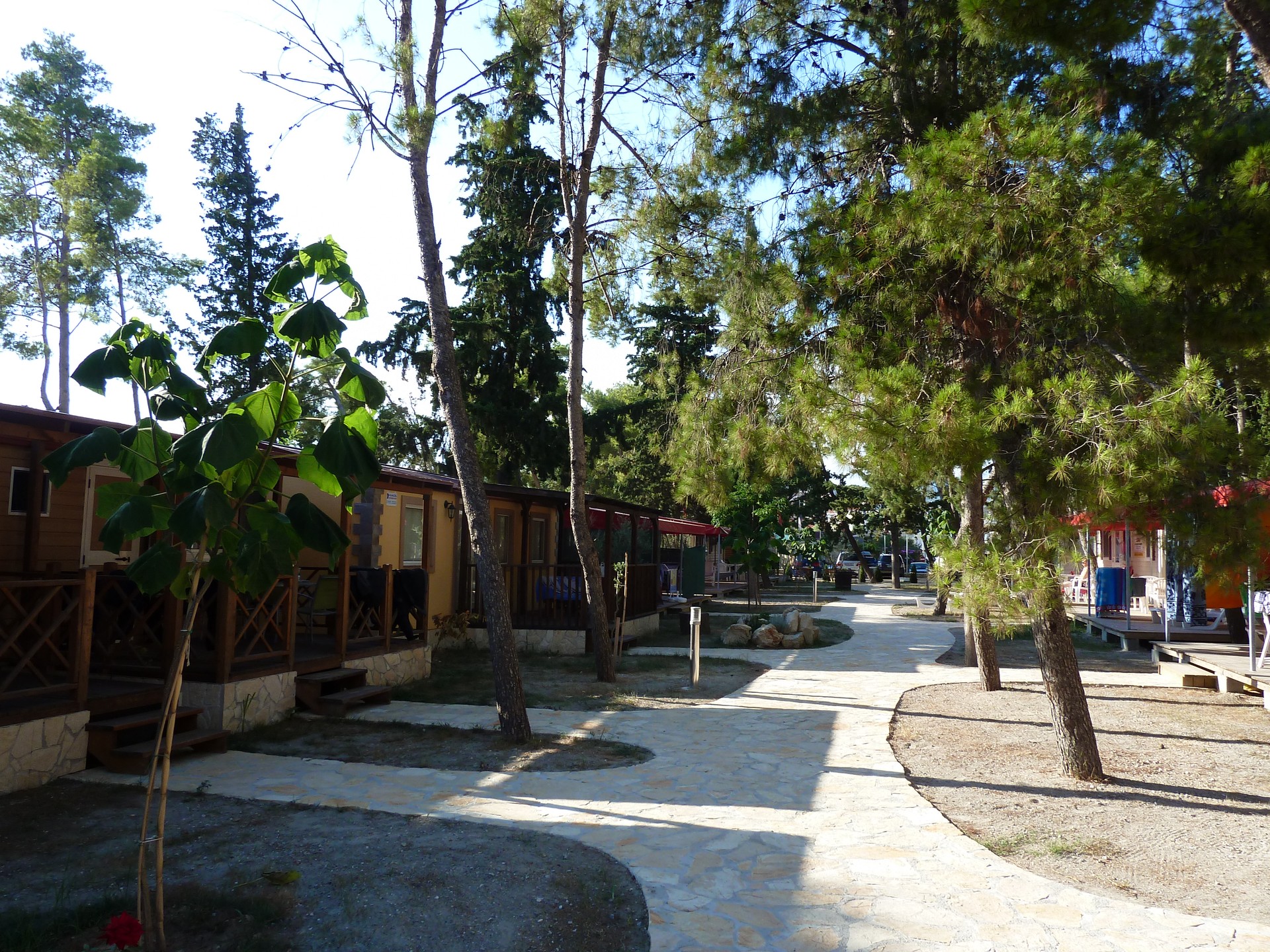
Spliti jõudsime vihmasajus. Kämpingu leidsime ilma probleemideta, aga olime parajalt läbi vettinud. Inge hääletas kategooriliselt telgi püstitamise vastu ja tegelikult olin ka mina temaga väga ühel meelel. Õnn oligi lõpuks seekord meie poolel, sest selles kämpingus olid täiesti mõistliku hinnaga saadaval ka väikesed majakesed. Vihmased riided seljast, soe dush ja väike uinak ning vihm oligi üle. Õhtu lõpetasime mõnusa söömajaga oma majakese terrassil ja jalutuskäiguga mere ääres. Meie kämping on väga mõnusas kohas – keset seedrisalu mererannas. Ja homme tõotab tulla jälle ilus ilm…

We arrived in Split in the rain. We found the camping without problems, but we were thoroughly soaked. Inge categorically voted against pitching the tent and actually I was very much in agreement with her. Luck was finally on our side this time, because at this camping small cabins were also available at quite reasonable prices. Wet clothes off, hot shower and a little nap and the rain was over. We ended the evening with a nice meal on our cabin’s terrace and a walk by the sea. Our camping is in a very pleasant location – in the middle of a cedar grove on the beach. And tomorrow promises to bring nice weather again…

Rannapromenaad Spliti külje all | Beach promenade near Split
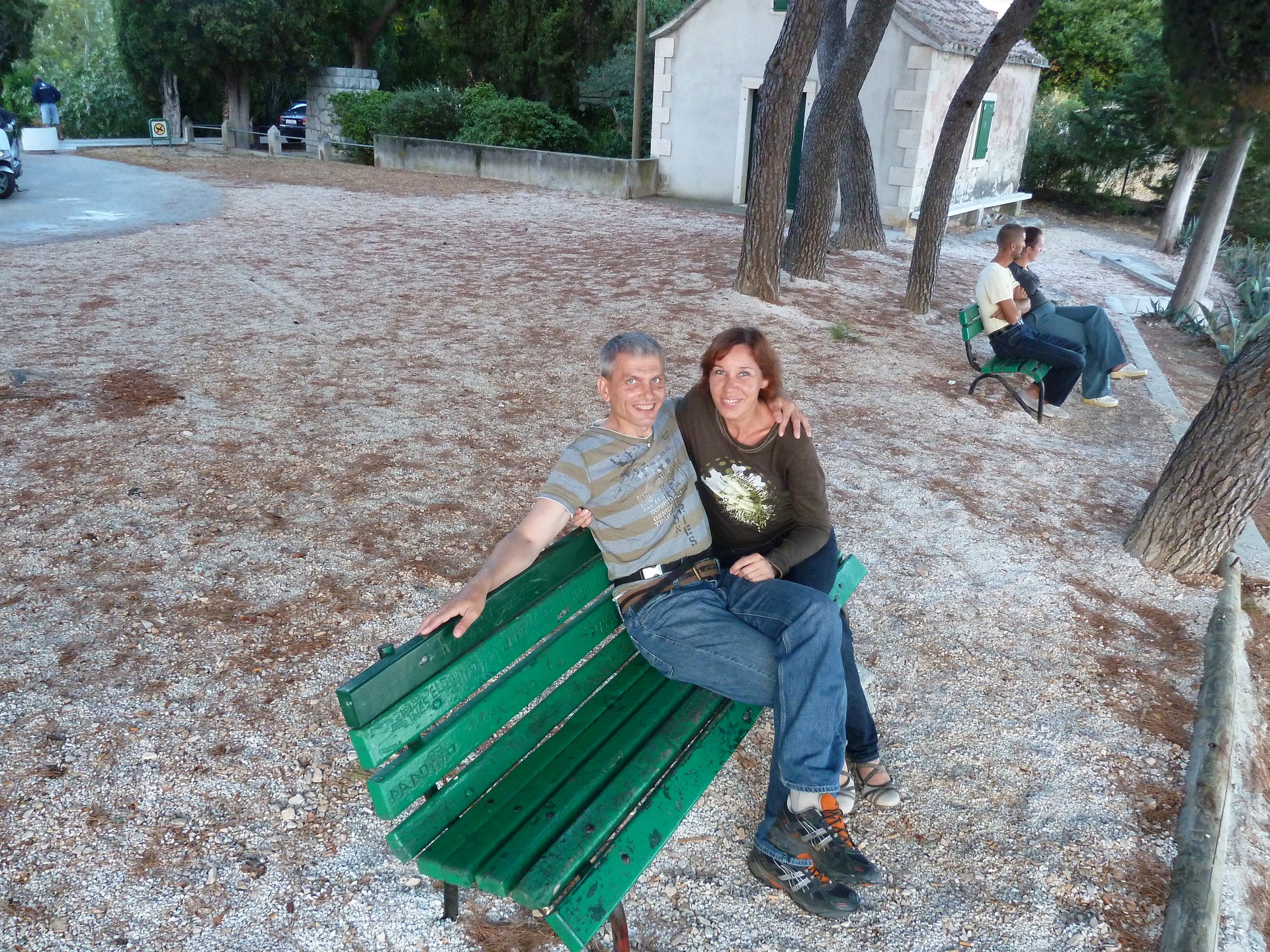
Väga romantiline pingike mere ääres | Very romantic bench by the sea
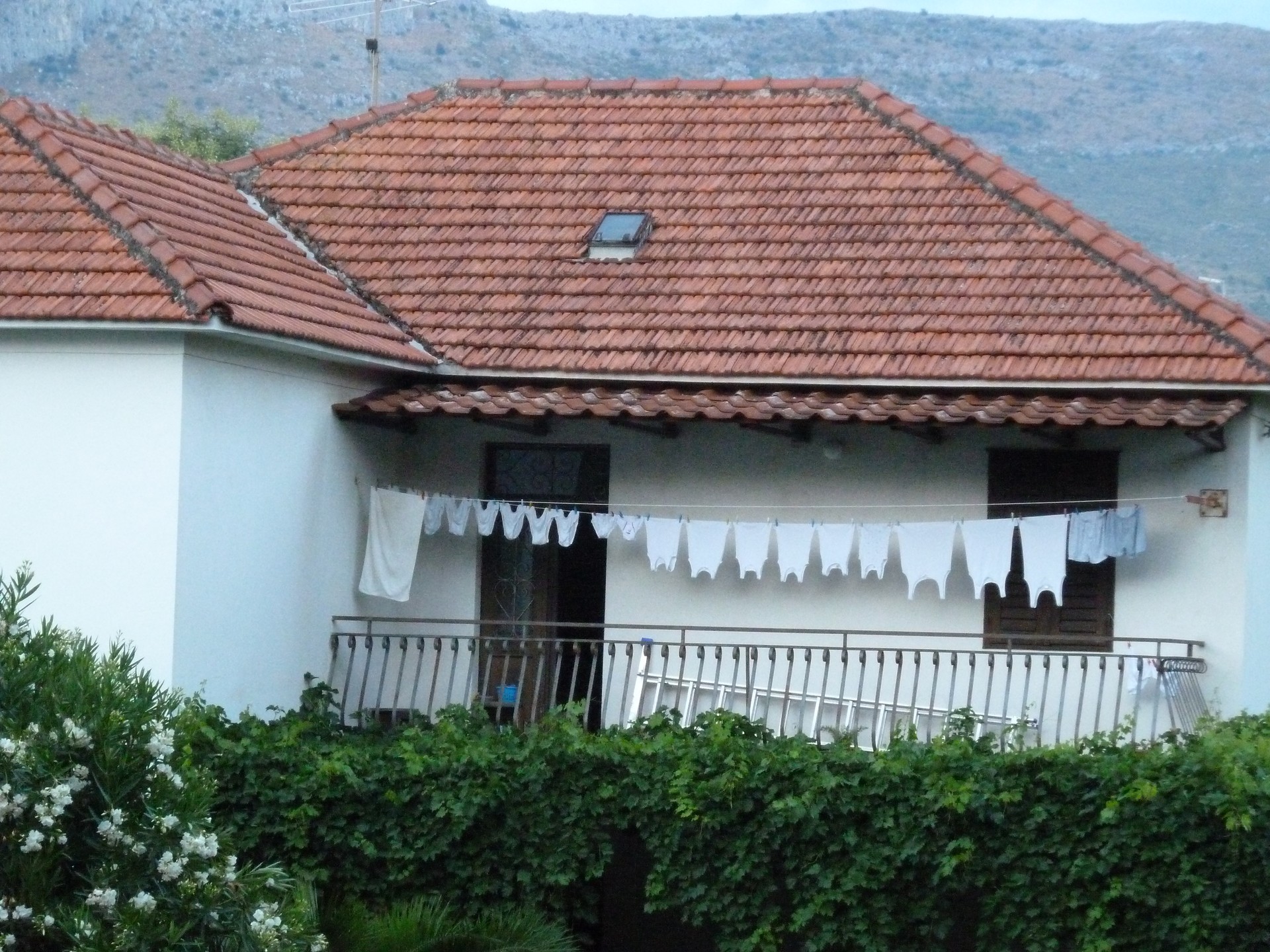
Suurematel suured särgid, väiksematel väiksed särgid | Big shirts for the big ones, small shirts for the small ones

25.juuli – tutvumine Spliti vaatamisväärsustega

In 2012 Horvaatia by Teet Parring / 21. Jul 2012 / 2 comments

Tänase päeva esimese poole tegelesime turismindusega, st. tutvusime Spliti vaatamisväärsustega. Split on Zagrebi järel suuruselt teine linn Horvaatias 200 tuh. elanikuga. Nagu eelmises kämpingus, on ka siin hea bussiühendus linnaga. Püüdsime hommikul varakult tõustes mitte väga suurt lärmi teha, kuna kõik majakesed on tihedalt üksteise kõrval ning normaalsed puhkajad ikka kella 7-8 paiku veel magavad.

Suurim vaatamisväärsus, mis Top 5 hulka kuulub, on Splitis asuv Diocletianuse palee.

We spent the first half of today doing tourism, i.e. getting acquainted with Split’s attractions. Split is the second largest city in Croatia after Zagreb with 200 thousand inhabitants. Like at the previous camping, there’s also a good bus connection to the city here. We tried not to make too much noise when getting up early in the morning, as all the cabins are close together and normal vacationers are still sleeping around 7-8 o’clock.

The biggest attraction, which is in the Top 5, is Diocletian’s Palace located in Split.

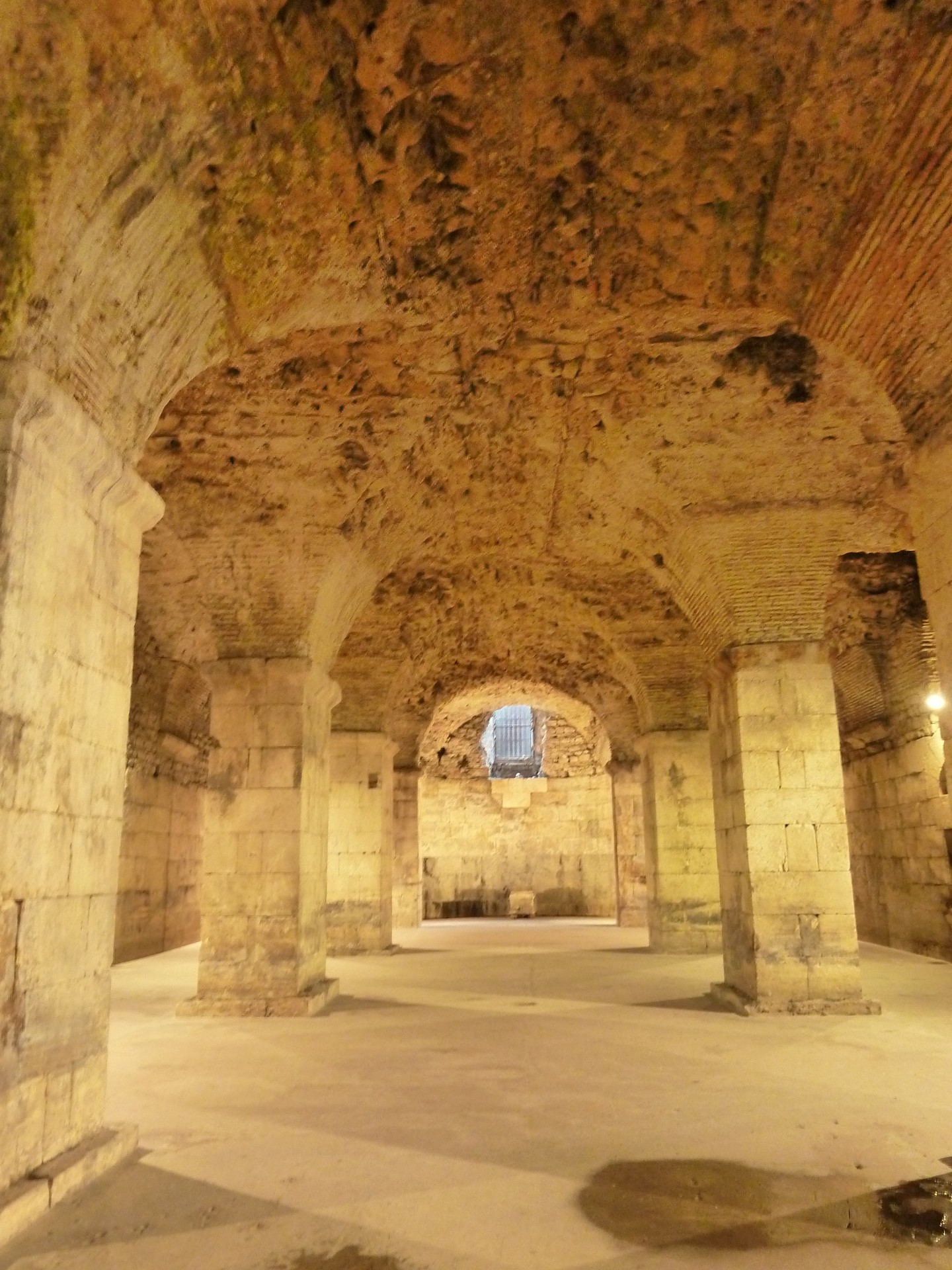
Palee kõige paremini säilinud osa – katakombid | The best preserved part of the palace – the catacombs

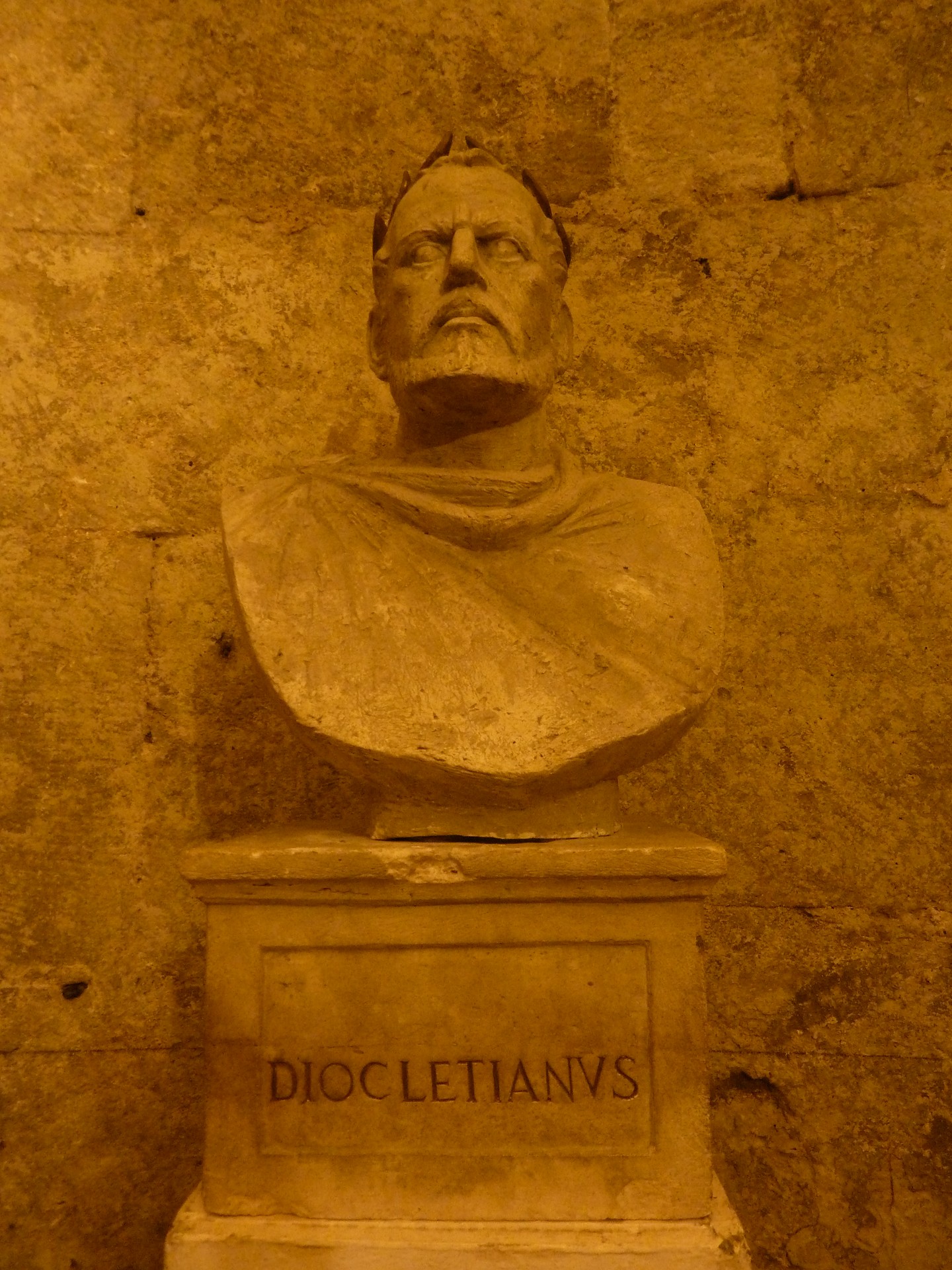
Diocletianus (elas aastatel 245-312) sündis Spliti lähedal Salonas orjade pojana, hiljem sai temast Rooma imperaator.

Diocletian (lived 245-312) was born near Split in Salona as the son of slaves, later he became Roman emperor.

Diocletianus isiklikult | Diocletian himself

Oma sünnikoha lähedale lasi ta ehitada suure palee, et oma pensionipõlve siin pidada, sellest paleest kasvaski välja Spliti linn. Umbes kuus sajandit oligi kogu linn nende müüride vahel, alles hiljem hakkas Split väljapoole paleemüüre kasvama.

Near his birthplace he had a large palace built to spend his retirement years here, and from this palace the city of Split grew. For about six centuries the entire city was within these walls, only later did Split start to grow outside the palace walls.

Kristlasi taga kiusanud valitseja matmispaigast on saanud katedraal | The burial place of the ruler who persecuted Christians has become a cathedral

Selliste vaatamisväärsuste juures on hea see, et seal ei ole palav, paksud müürid, sügavad võlvkaarega katakombid, krüpt jne on siinse palava kliima korral suurepärane võimalus ajalooga lähemat tutvust teha.

The good thing about such attractions is that it’s not hot there, thick walls, deep arched catacombs, crypt etc. are an excellent opportunity to get better acquainted with history in this hot climate.

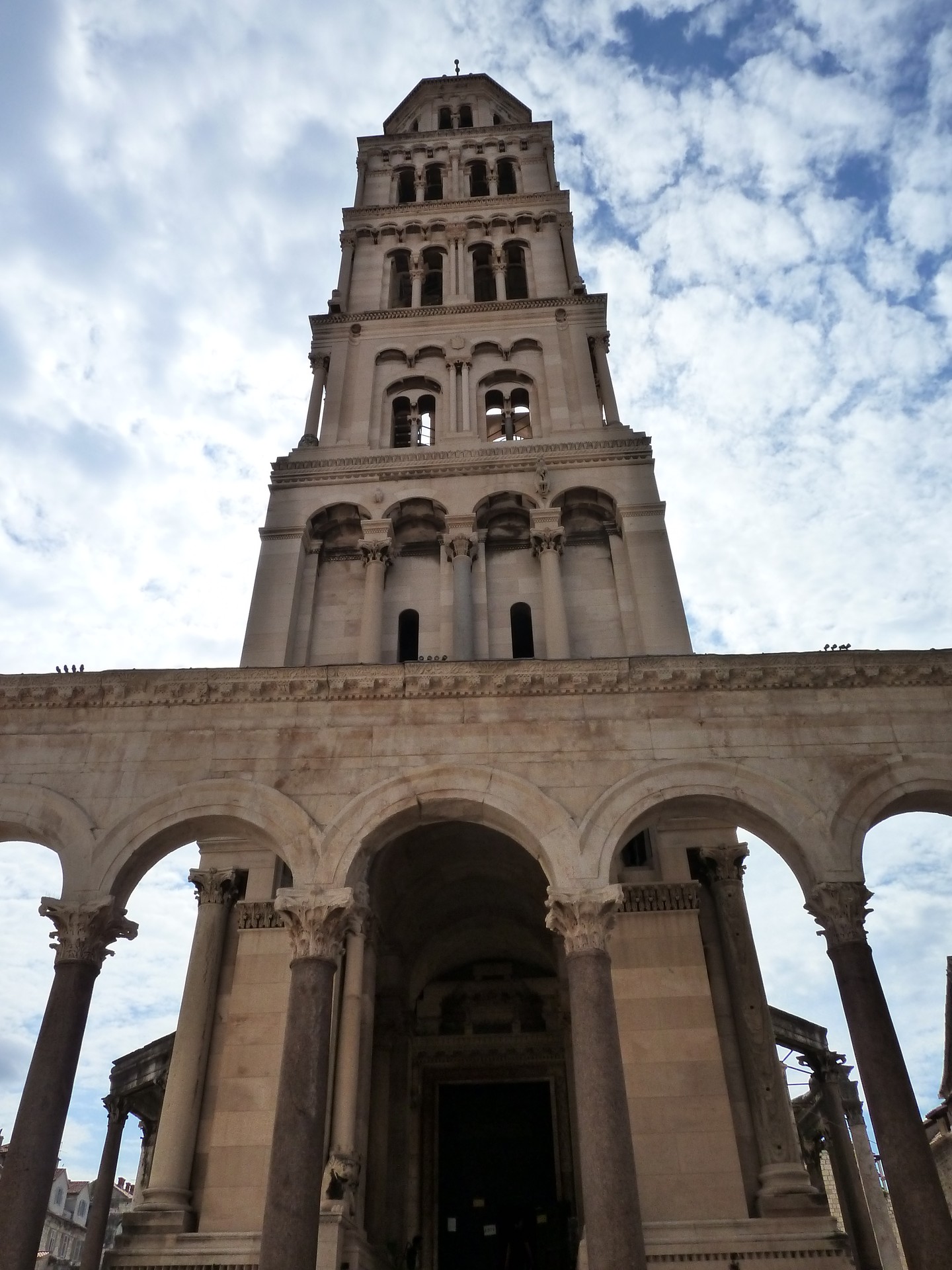
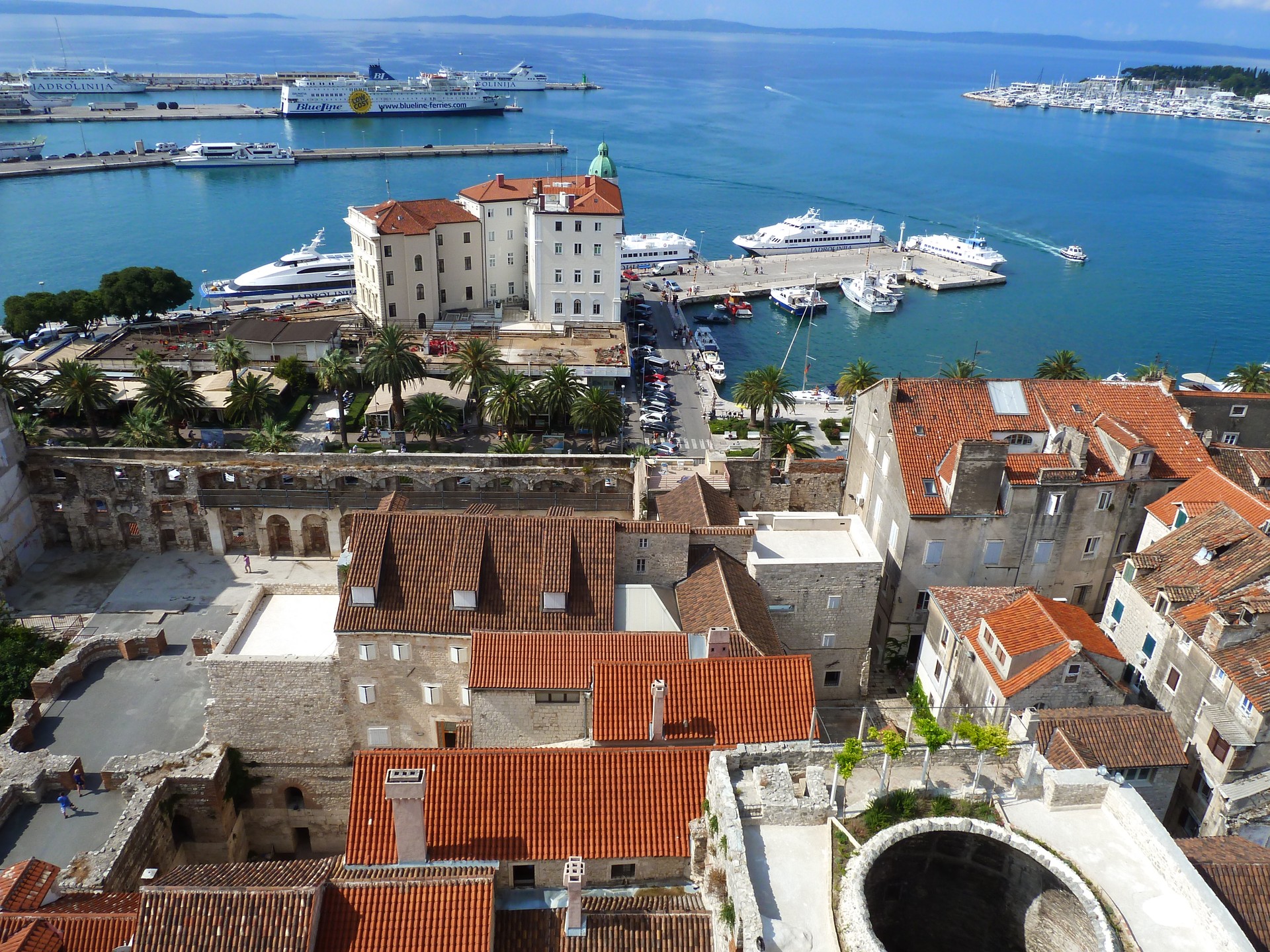
Vaade kellatornist | View from the bell tower
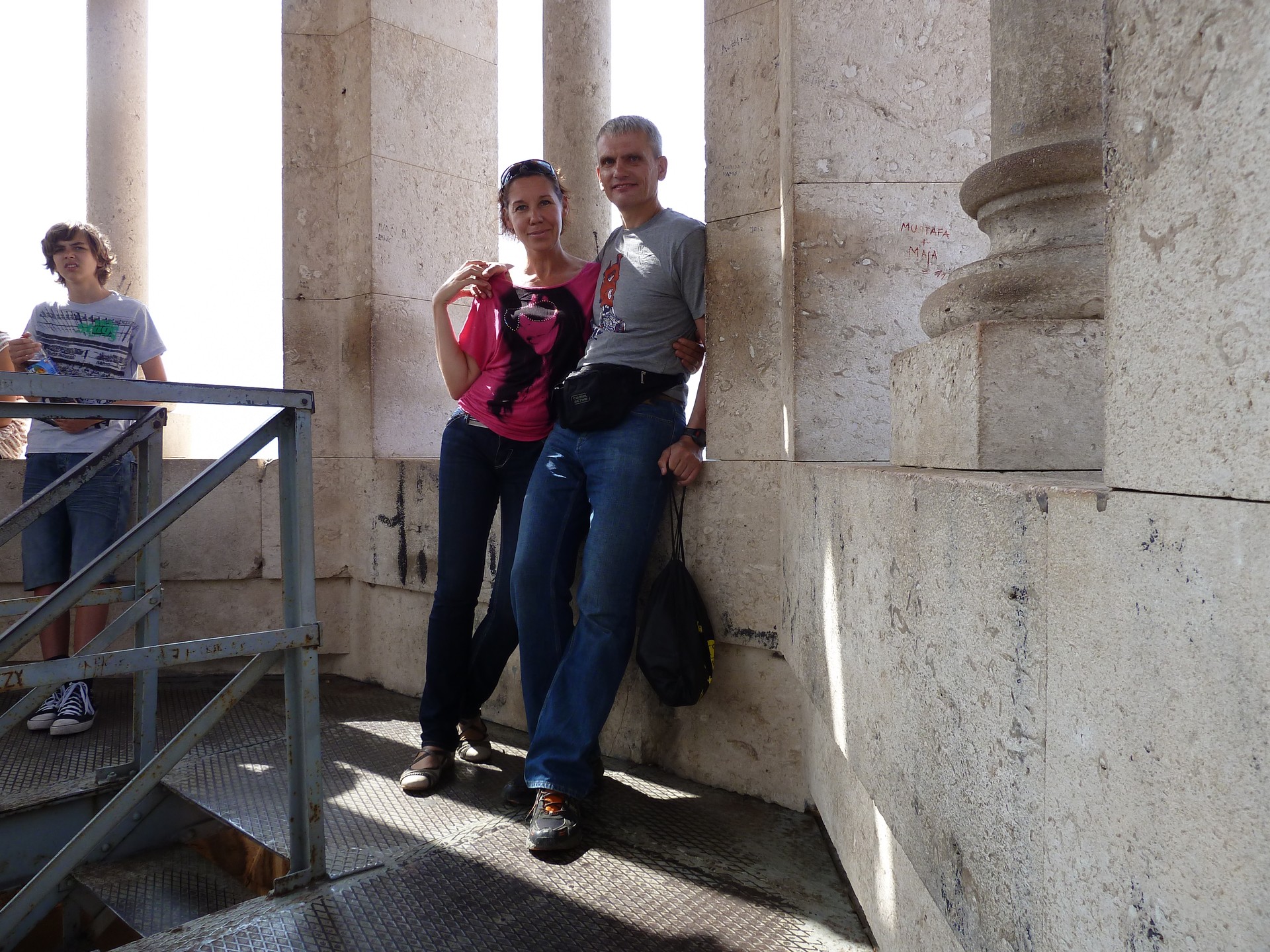
Kellatorni tipus | At the top of the bell tower
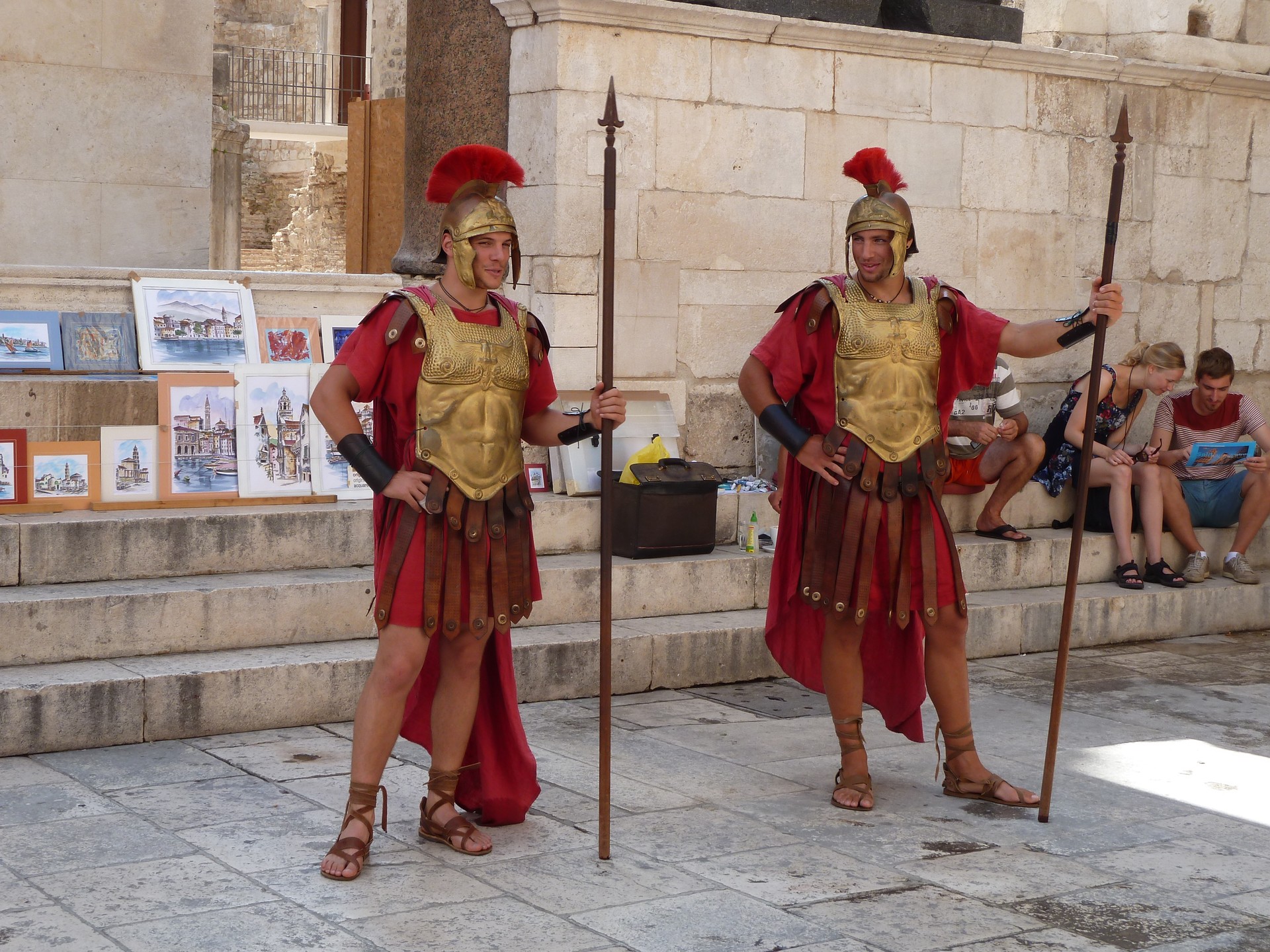
Rooma sõdurid valvepostil | Roman soldiers on guard duty

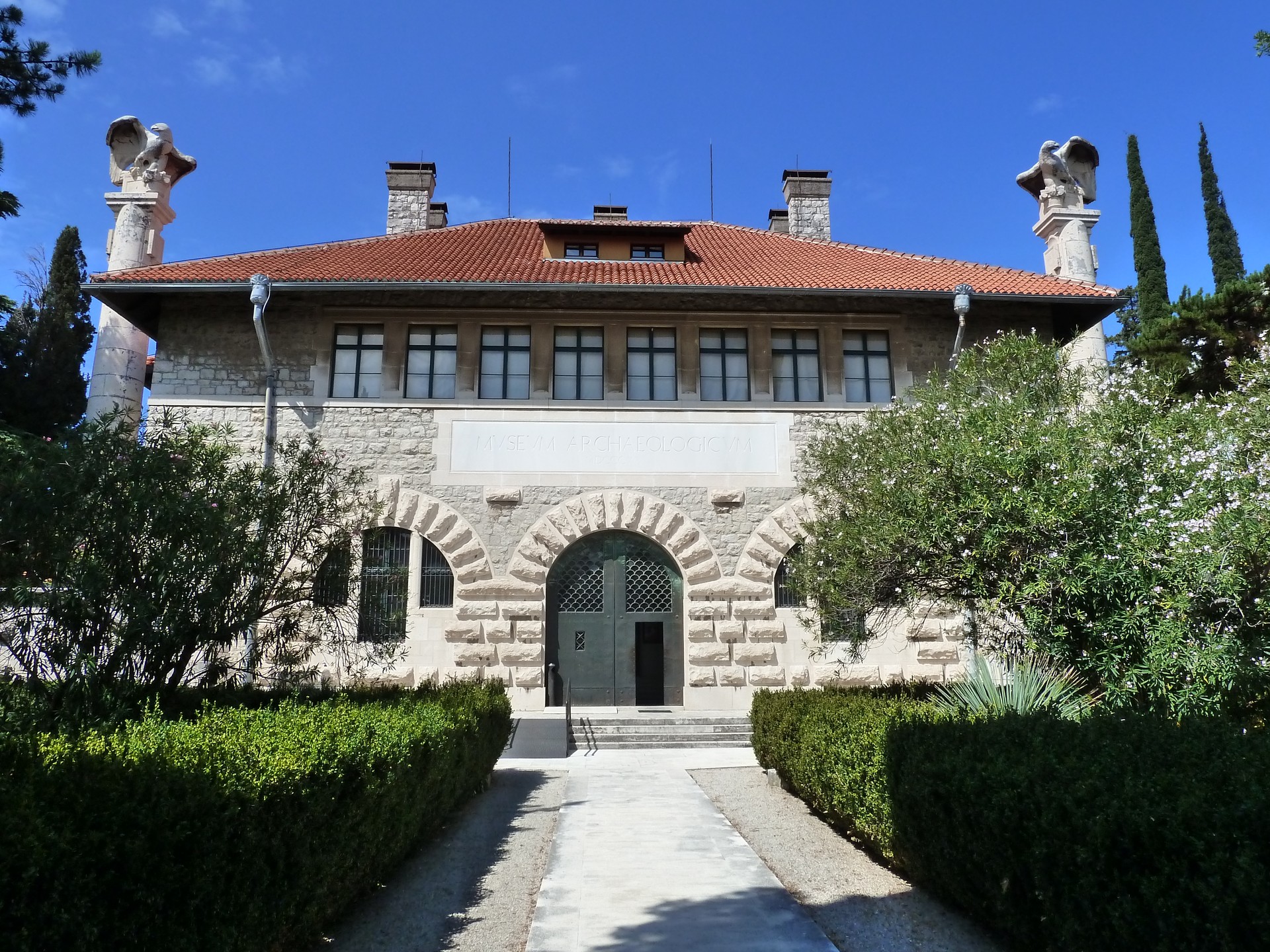
Teine huvitav koht, kus käisime, oli arheoloogia muuseum, kuhu on kokku kogutud kõik Salona ja Diocletianuse palee lähiümbrusest leitud esemed. Tegelikult oli see muuseum isegi huvitavam, täiesti uskumatu, kuidas need asjad on nii hästi säilinud ja nii heas korras leitud, ja kui ilusaid ehteid ja majapidamis- ning tualett-tarbeid seal näha võis!!

The second interesting place we visited was the archaeological museum, where all the objects found in the vicinity of Salona and Diocletian’s Palace have been collected. Actually, this museum was even more interesting, it’s completely unbelievable how well these things have been preserved and found in such good condition, and what beautiful jewelry and household and toiletry items could be seen there!!

Arheoloogiamuuseum | Archaeological museum
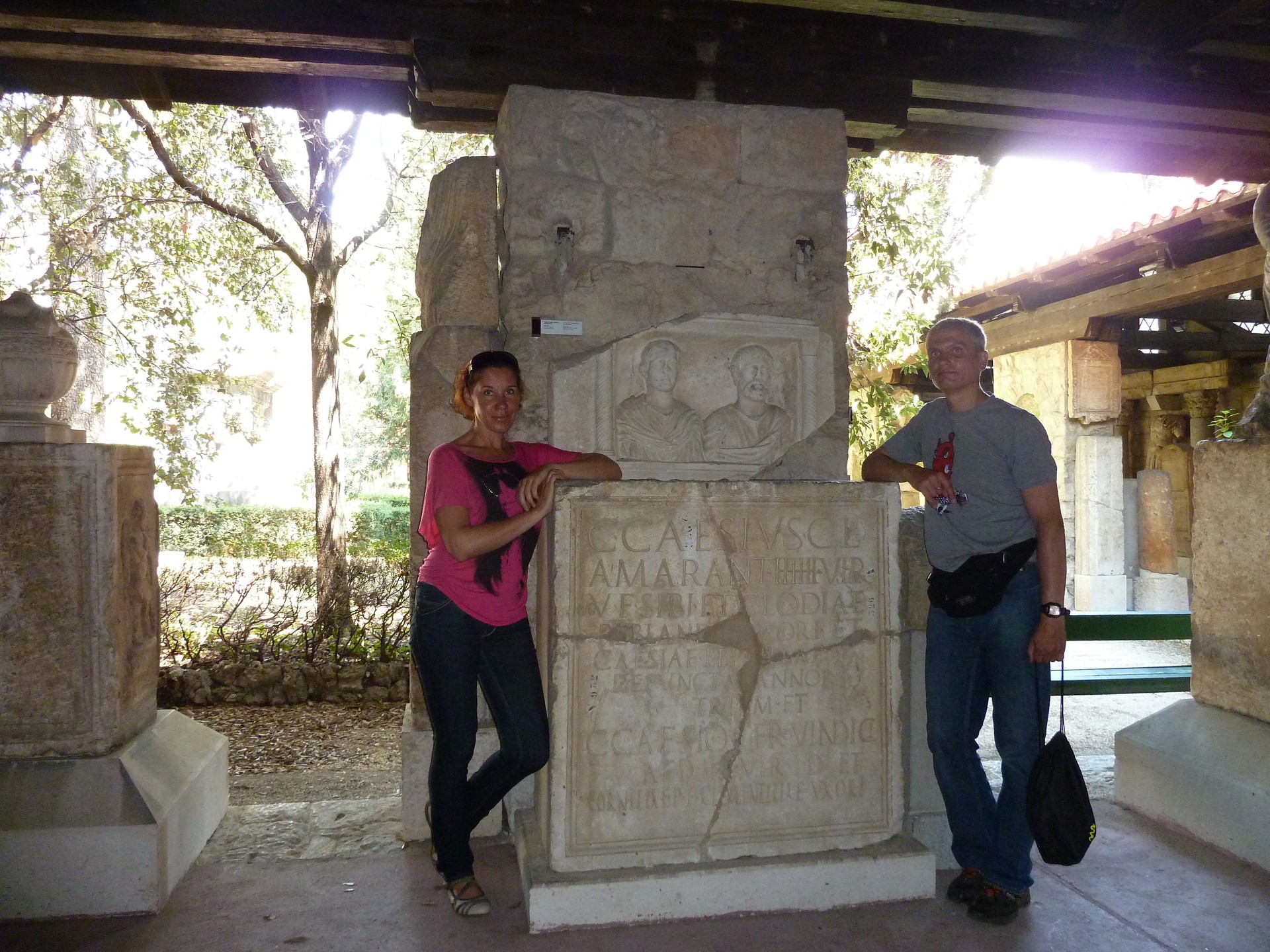
Koos 1600 aastat vana “perepildiga” | Together with a 1600-year-old “family photo”

Kummaline oli, et seal olime meie praktiliselt ainsad külastajad, muud turistide hordid tiirutasid ainult palee ümber.

It was strange that we were practically the only visitors there, other tourist hordes only circled around the palace.

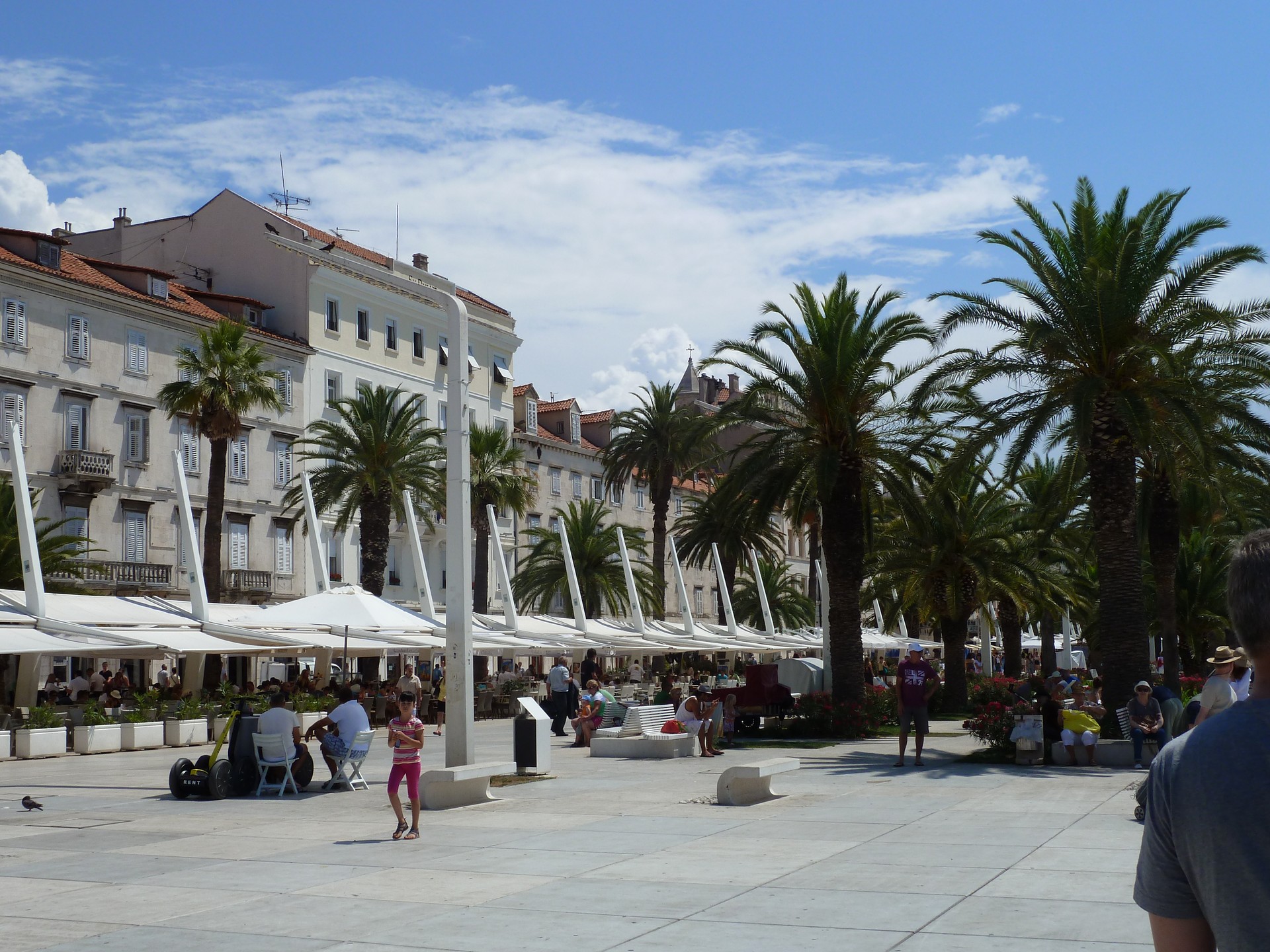
Spliti rannapromenaad | Split beach promenade

Teise poole päevast kasutasime jällegi lugemiseks ja rannas lebotamiseks, ma arvan, et minu limiit selleks suveks on nüüd täis, tegelikult suht mõttetu tegevus, aga sellise palavusega midagi muud tarka ka pole võimalik ette võtta.

We used the second half of the day again for reading and lounging on the beach, I think my limit for this summer is now full, actually quite a pointless activity, but with such heat nothing else smart is possible to undertake.

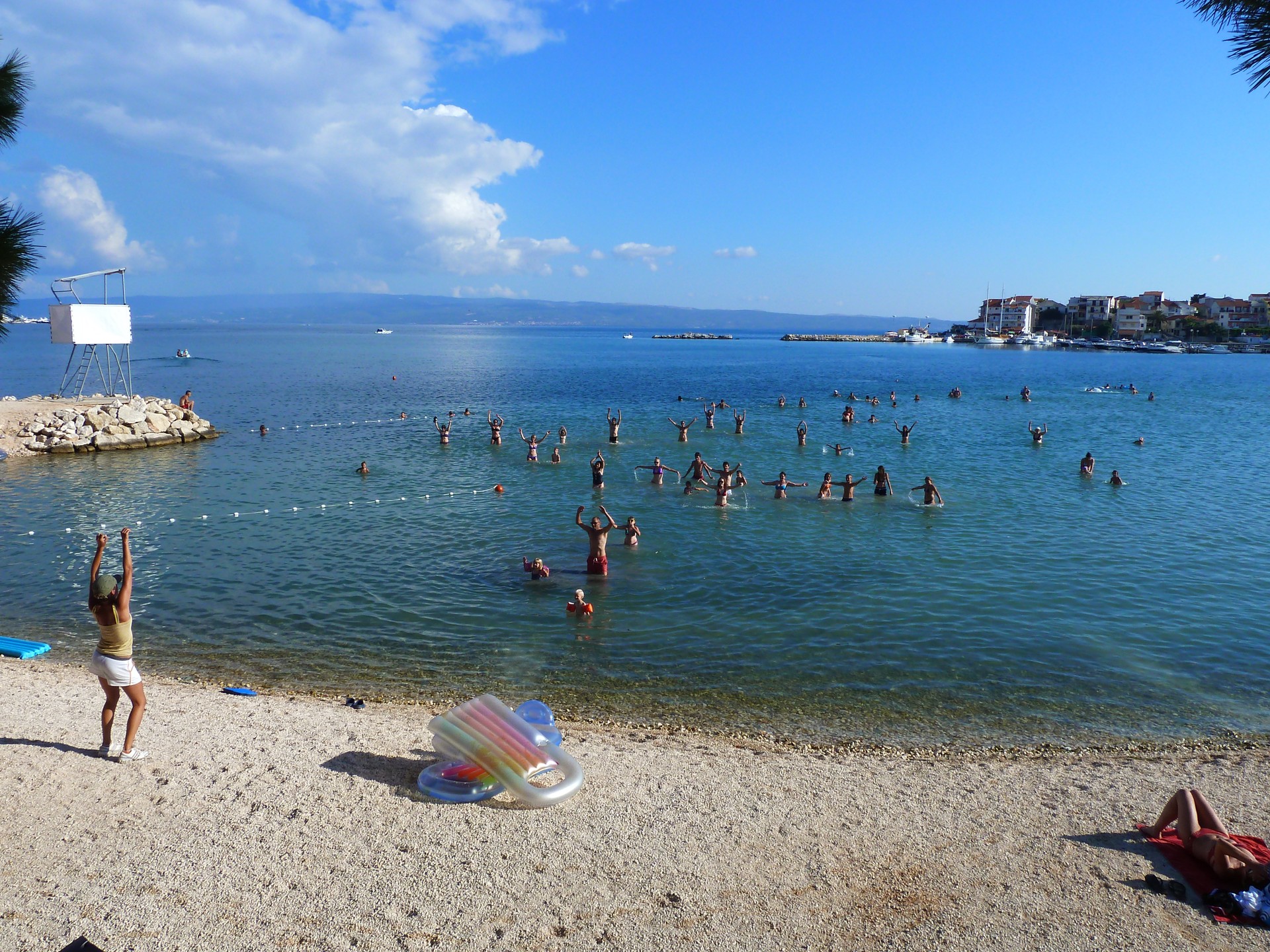
Vesiaeroobika kämpingi plääzil | Water aerobics at the camping beach
Meie tänav | Our street

Homme varahommikul stardime Plitvicka poole, kus pidi väga ilus looduspark olema, seal läheduses peatume kaks ööd ja plaanime ka Krk-i saarel ära käia.

Tomorrow early in the morning we’ll start towards Plitvice, where there should be a very beautiful nature park, we’ll stop near there for two nights and also plan to visit the island of Krk.

Plitvicka järvede looduspark, 26-27. juuli

In 2012 Horvaatia by Teet Parring / 20. Jul 2012 / No comments

Alustasime teekonda Splitist hommikul varakult, sest kell 9 pidi check-out tehtud olema. Ei saanudki väga kaua sõita, kui olimegi Plitvickas kohal. Sellele aitas kaasa päris pikk lõik korralikku kiirteed. Hoidsime küll silmad lahti, et märgata ka mõnda Eesti sõidukit, kuid senini ei ole seda veel siinkandis juhtunud. Ja niipalju, kui ringi oleme liikunud, pole me ka ühtegi eestlast kohanud.

We started the journey from Split early in the morning, as check-out had to be done at 9 o’clock. We didn’t have to drive very long before we were in Plitvice. A rather long stretch of proper highway helped with this. We kept our eyes open to notice some Estonian vehicles too, but so far this hasn’t happened in this area. And as much as we’ve moved around, we haven’t met a single Estonian either.

[breadcrumbs track=126746]

Leidsime oma kämpingu ilma vahejuhtumiteta ja seadsime ennast sisse. Käisime ära ka 8 km eemal asuva looduspargi sissepääsu juures, et ennast tänaseks päevaks paremini ette valmistada ja uurida, kuidas seal asjad käivad. Pargivaht soovitas meil ette võtta 5-6 tunnise matkaraja ja hommikul varakult kohale tulla, sest siis pidavat vähem rahvast olema.

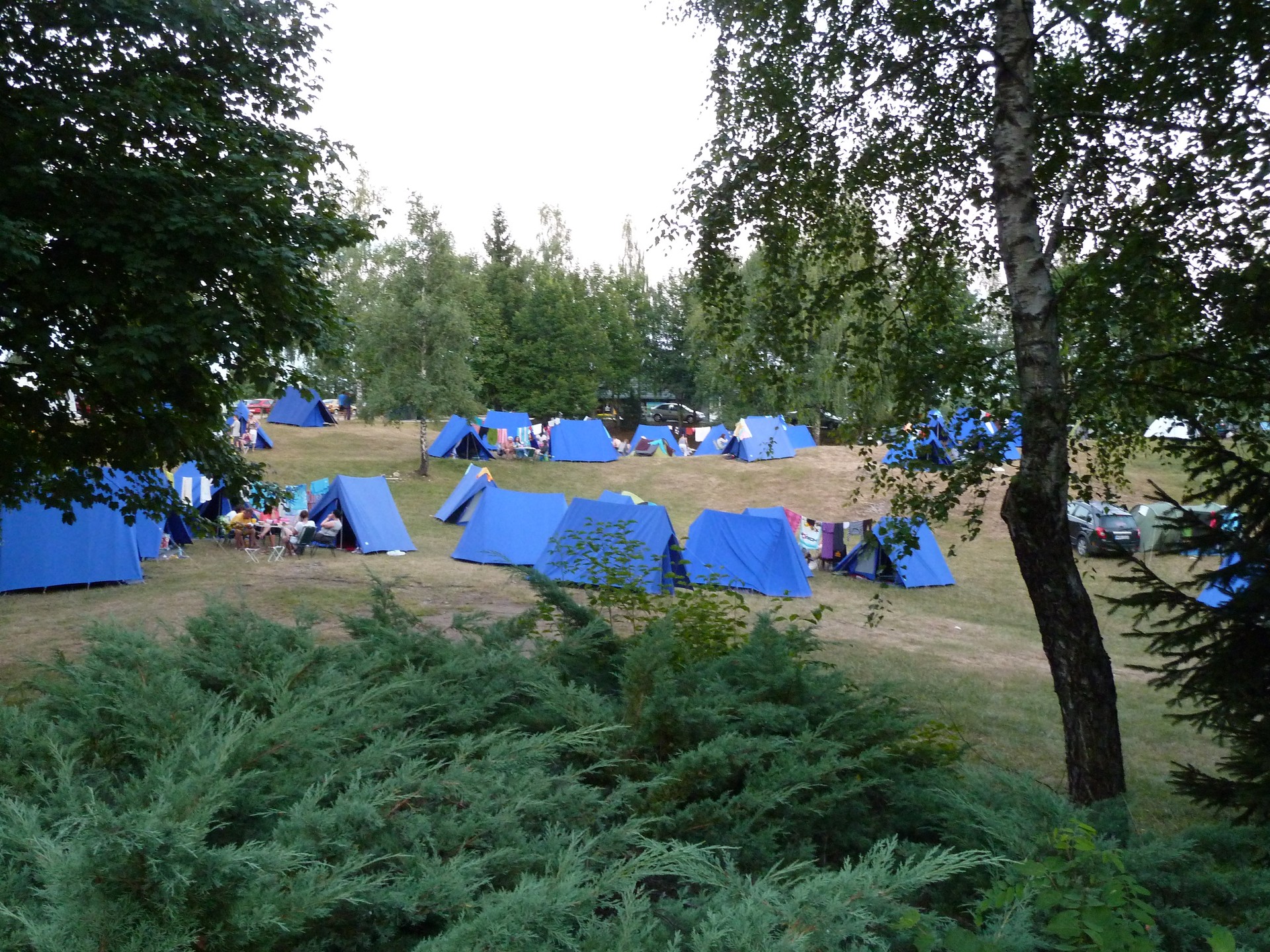
Õhtu kämpingus oli mõnusalt rahulik seni, kuni saabus kaks bussitäit Poola turiste. Neil olid kõigil ühemoodi sinised telgid ja nendest tekkis meie kõrvale kohe päris linn. Õnneks oli tegemist toredate ja korralike noorte inimestega, kes suurt kära ei teinud ja teiste öörahu ei seganud.

We found our camping without incidents and settled in. We also visited the entrance of the nature park located 8 km away, to better prepare ourselves for today and investigate how things work there. The park ranger recommended we take a 5-6 hour hiking trail and come early in the morning, as there should be fewer people then.

The evening at the camping was pleasantly quiet until two buses full of Polish tourists arrived. They all had identical blue tents and a whole town immediately formed next to us. Fortunately, they were nice and proper young people who didn’t make much noise and didn’t disturb others’ night rest.

Poolakate telklaager | Polish tent camp

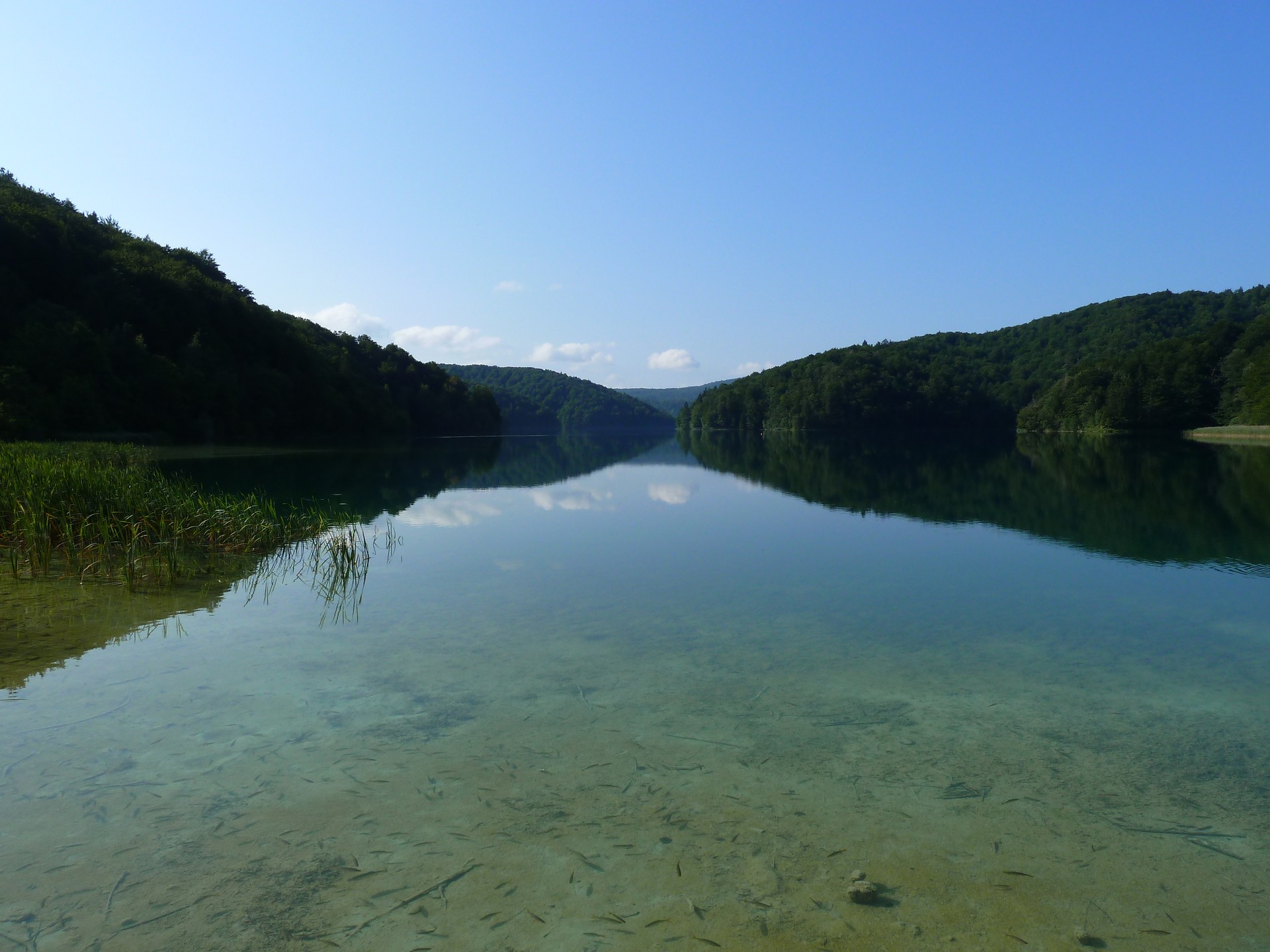
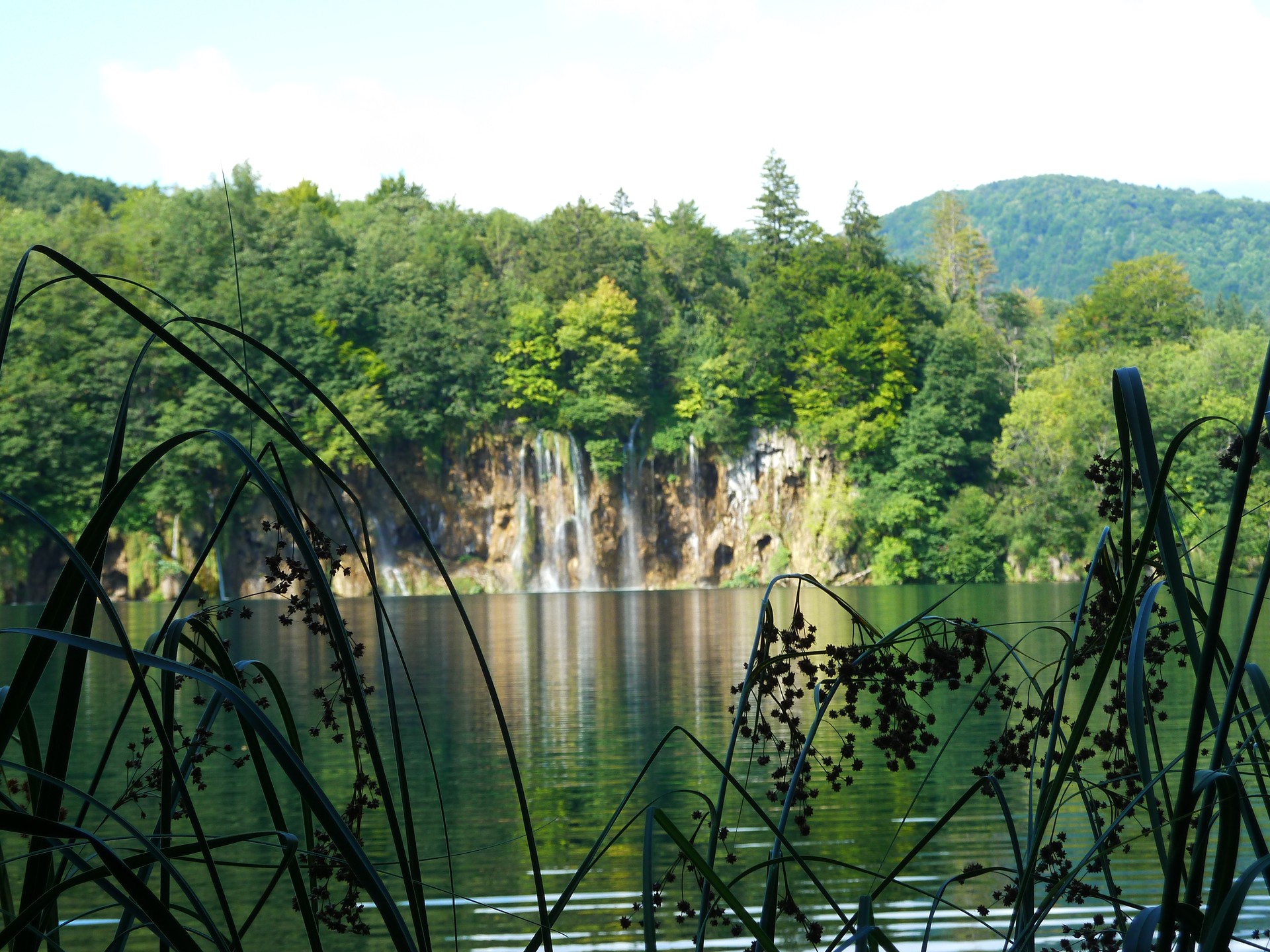
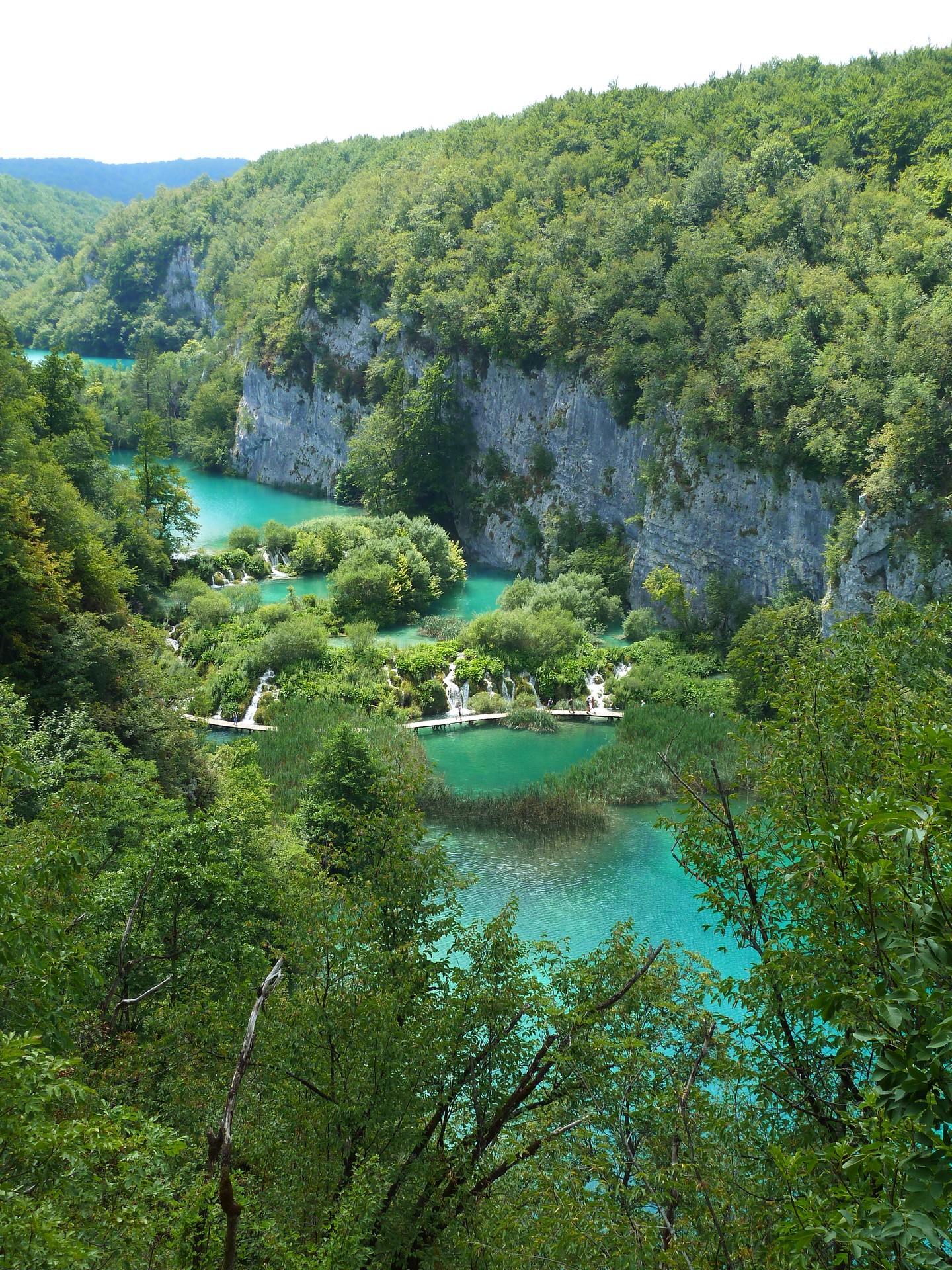
Võtsime pargivahi head nõu kuulda ja kell 8 hommikul olime piletikassas ning tõesti oli rahvast sellel kellaajal veel vähe. Plitvicka järved on unikaalne loodusnähtus, rahvuspark laiub ca 300 km2 suurusel maaala. Tegemist on oja või jõega, mis mägedest alla voolab ja mille vesi on nii suure lubjasisaldusega, et see sadestub moodustades looduslikke paisusid, mille taha tekivadki järved. Iga järgnev järv on eelmisest madalamal ja vesi voolab sageli sinna kosena alla langedes. Iga järv on ka veidi erinevat värvi.

We took the park ranger’s good advice and at 8 in the morning we were at the ticket office and indeed there were still few people at that time. Plitvice Lakes are a unique natural phenomenon, the national park spreads over an area of about 300 km2. It’s a stream or river that flows down from the mountains and whose water has such a high lime content that it precipitates forming natural dams, behind which lakes form. Each subsequent lake is lower than the previous one and water often flows there falling down as a waterfall. Each lake is also a slightly different color.

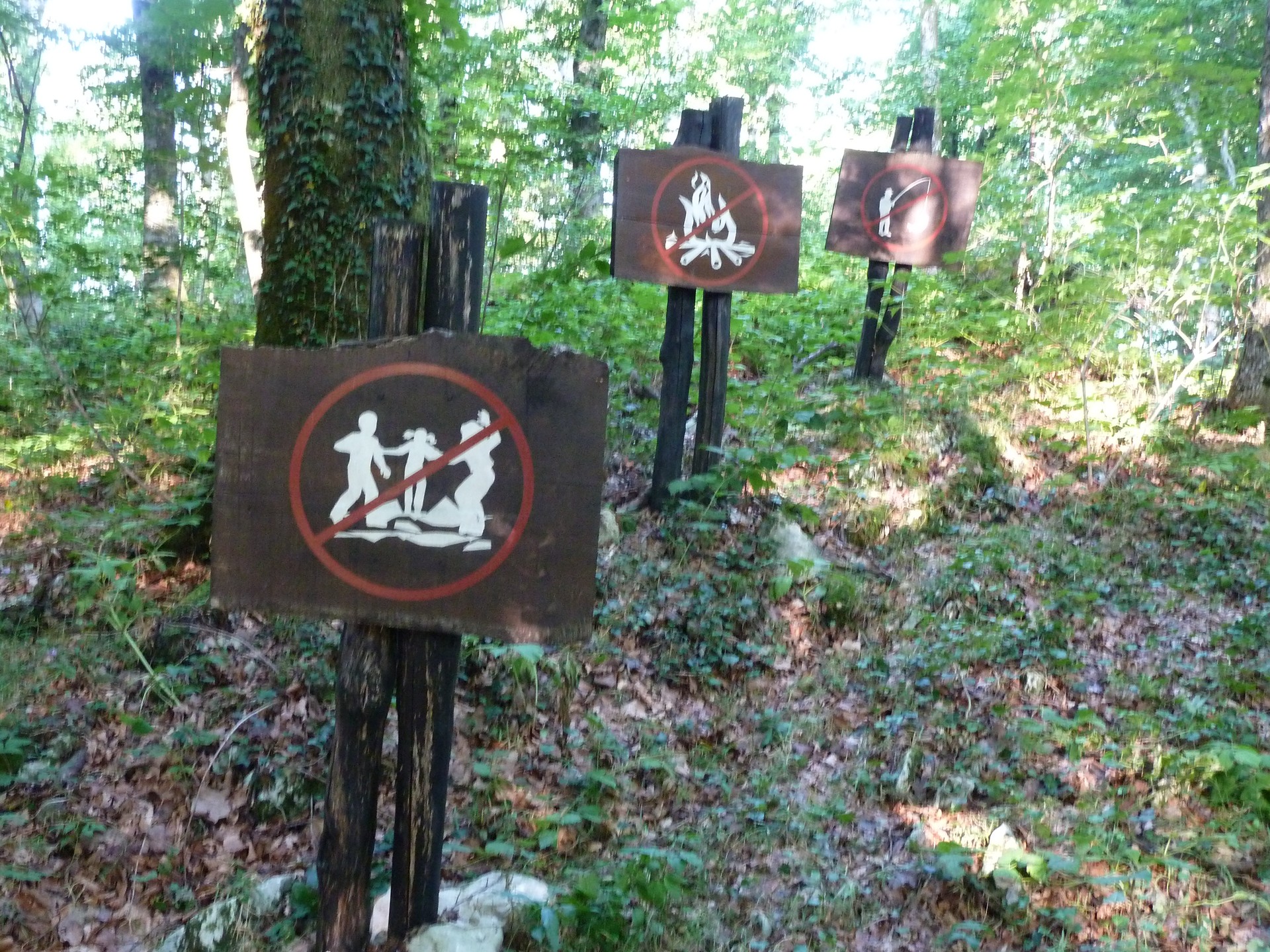
Öösel meeletult tantsimine keelatud | Wild dancing at night is prohibited
Ilus… | Beautiful…
Tee järvede vahel | Path between the lakes
Kosed | Waterfalls
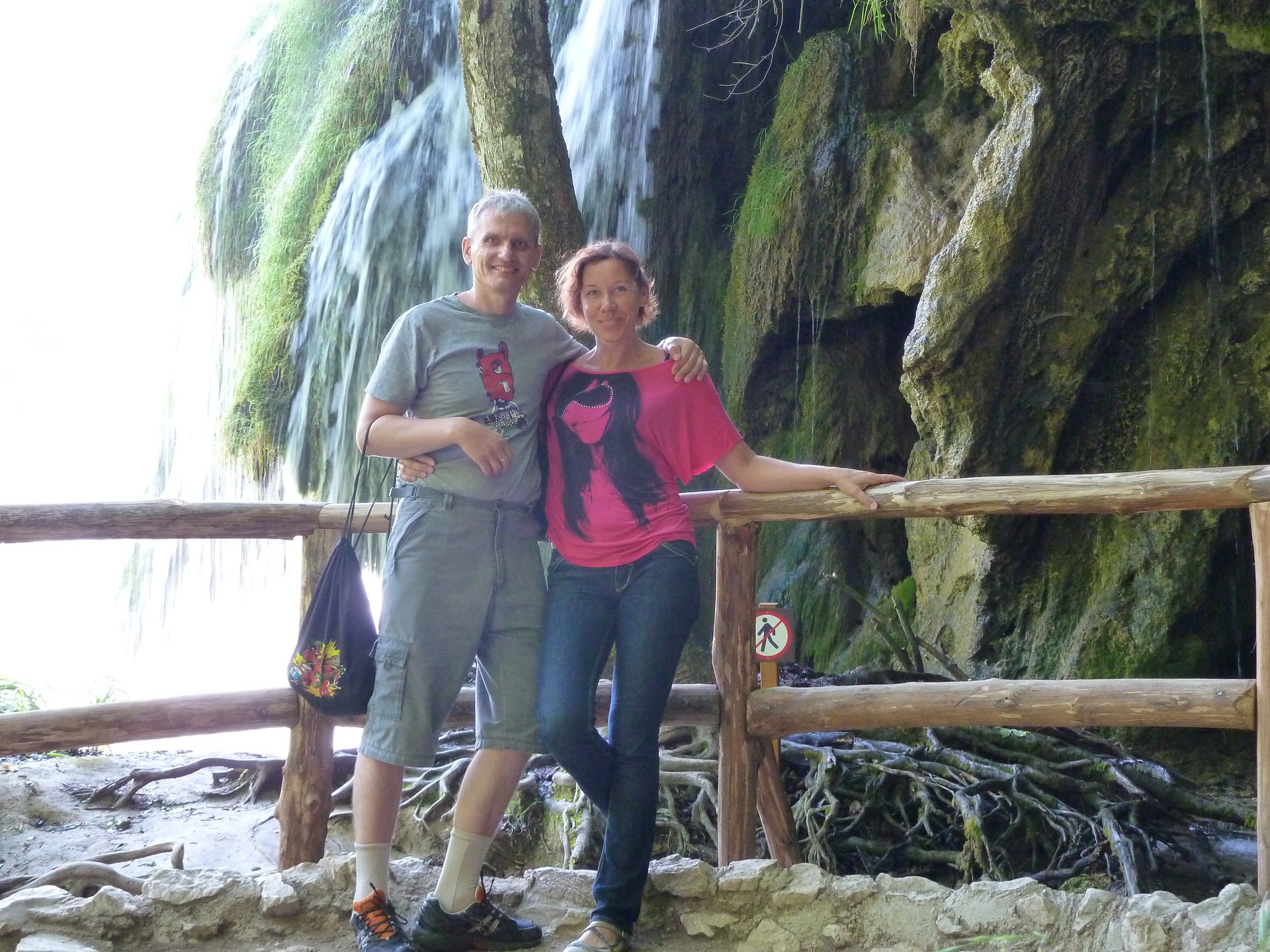
Matkasellid | Hiking companions

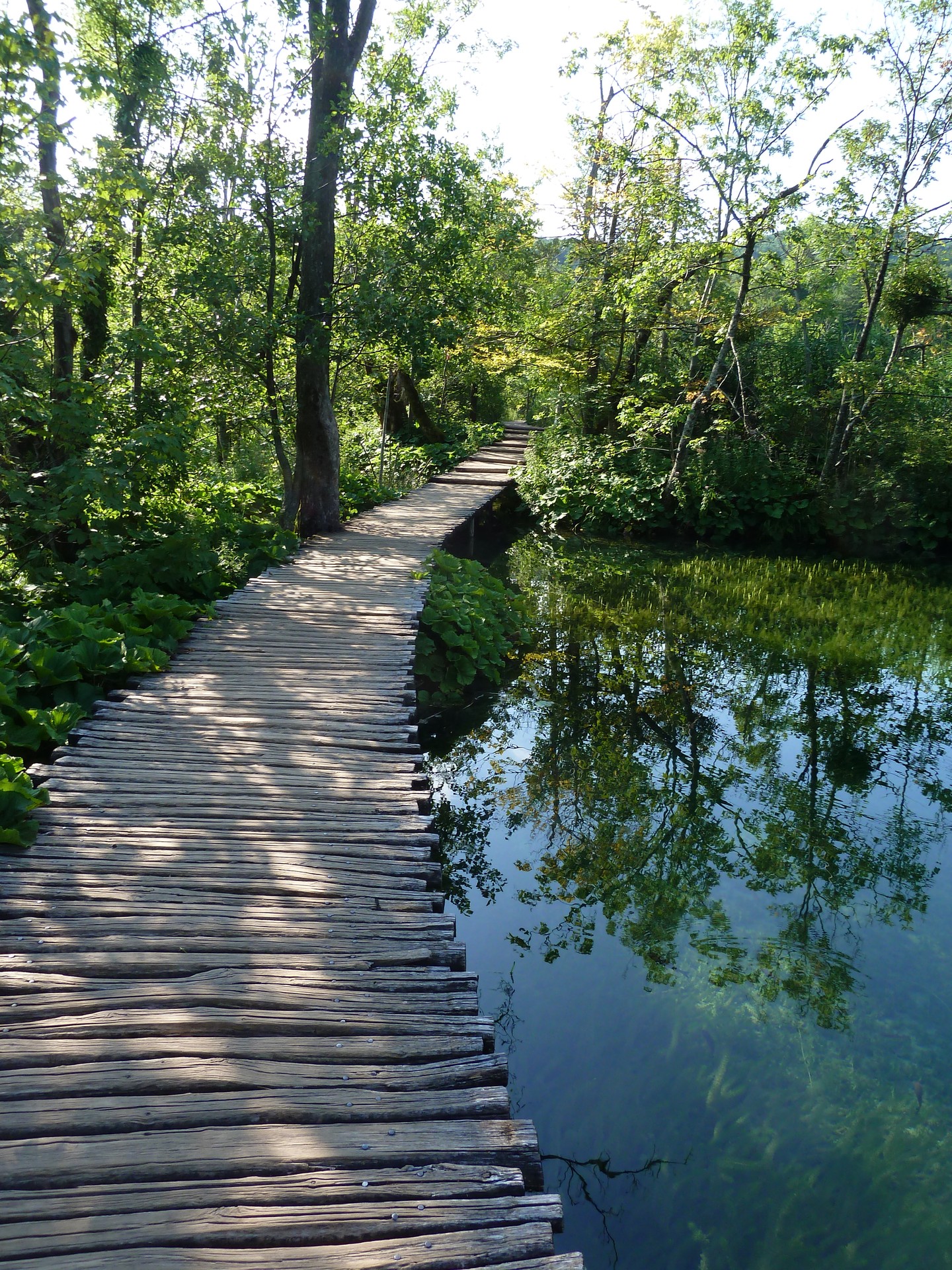
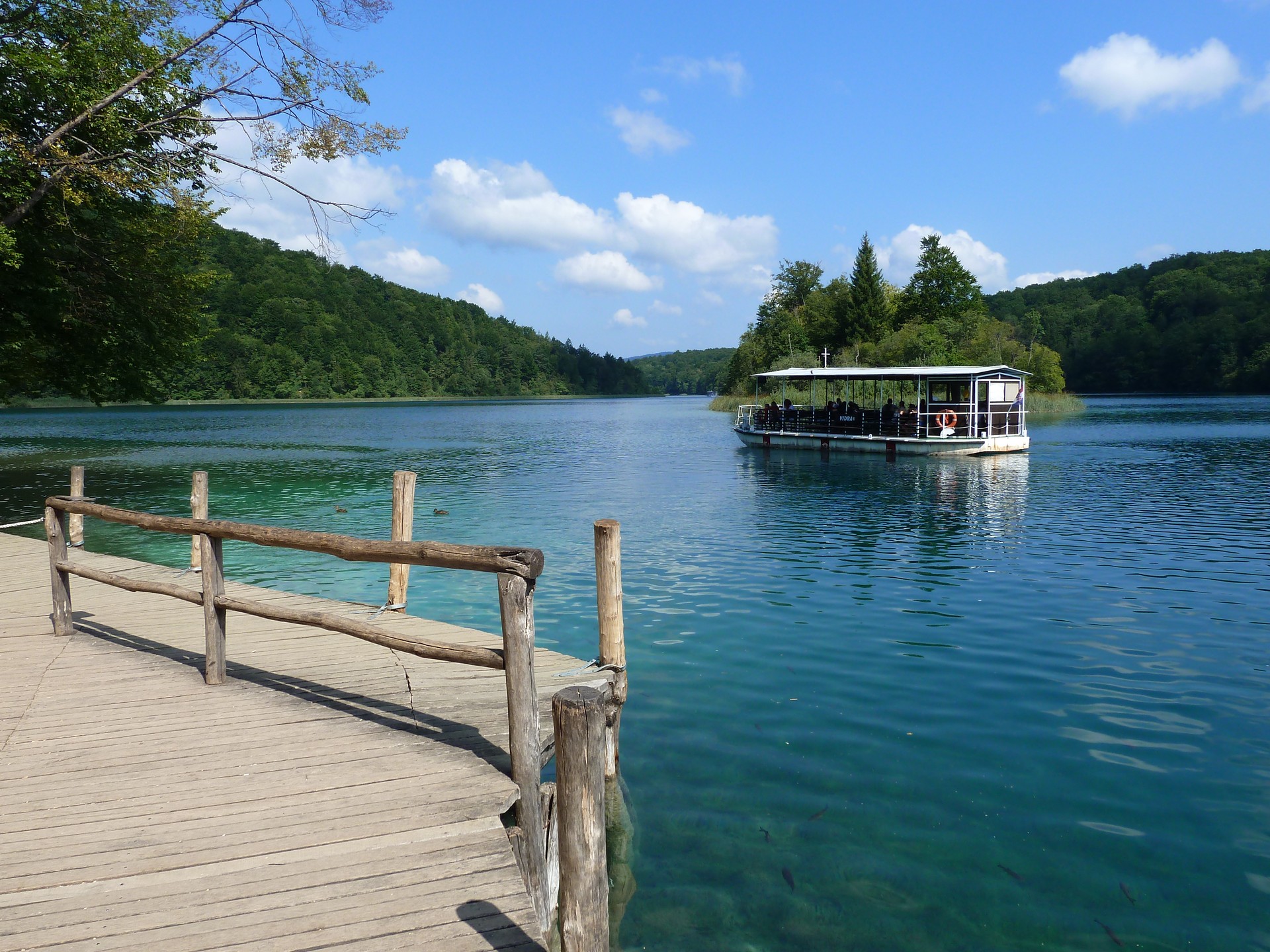
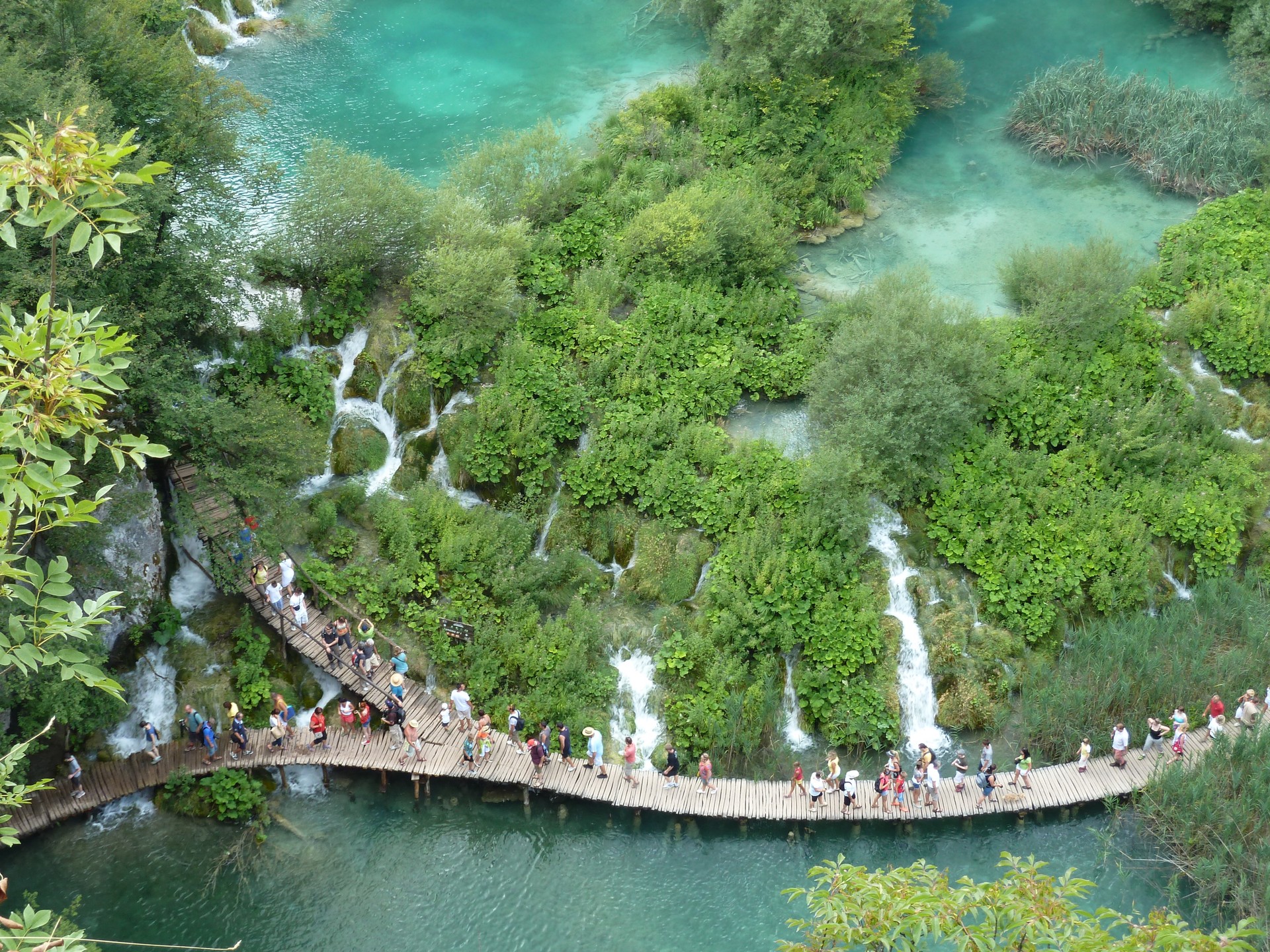
Turistide jaoks on ka kõik väga hästi läbi mõeldud. Meie teekond algas ratastel rongis, mis meid üles-mäge matkaraja algusesse transportis. Sealt liikusime edasi mööda puidust ehitatud teerada, mis viis meid kuivalt üle vesiste alade ja roostike, kuhu muidu ei oleks üldse võimalik pääseda. Üle kõige suurema järve sõidutas meid väike elektrimootoriga praamike, mis viis meid sadamasse, kus oli võimalik ka sööki/jooki osta ja WC-d külastada. Oli mõnus retk koos lugematute imeilusate vaadetega.

Everything is also very well thought out for tourists. Our journey started in a train on wheels that transported us uphill to the beginning of the hiking trail. From there we moved along a wooden path that took us dry over wet areas and reeds, where otherwise it wouldn’t be possible to get at all. Across the largest lake we were transported by a small electric motor ferry, which took us to a harbor where it was also possible to buy food/drinks and visit the toilet. It was a pleasant trip with countless beautiful views.

Praamiga üle järve | Ferry across the lake
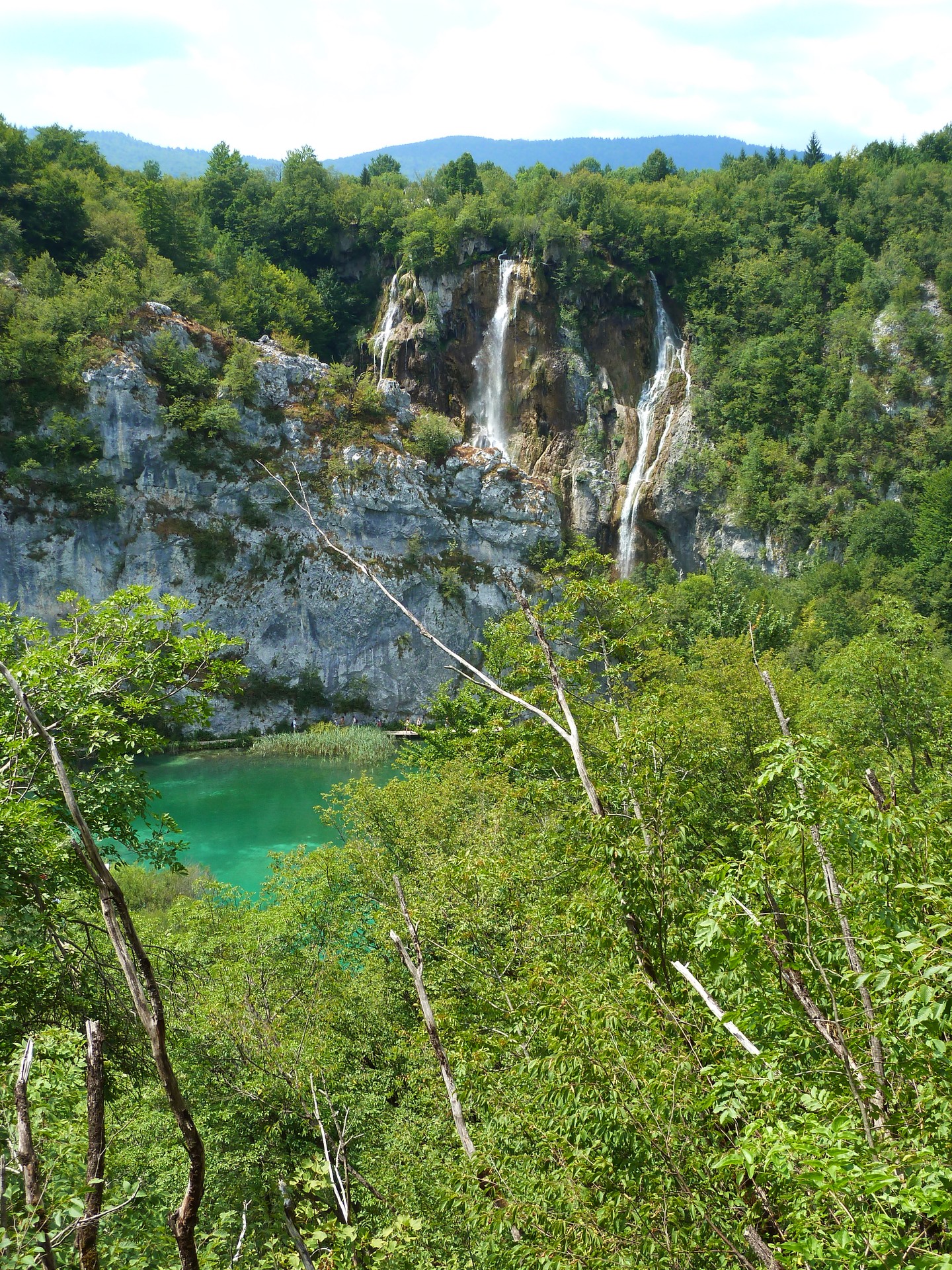
Kõige suurem kosk | The biggest waterfall
Järved ridamisi | Lakes in rows
Vaade linnulennult | Bird’s eye view

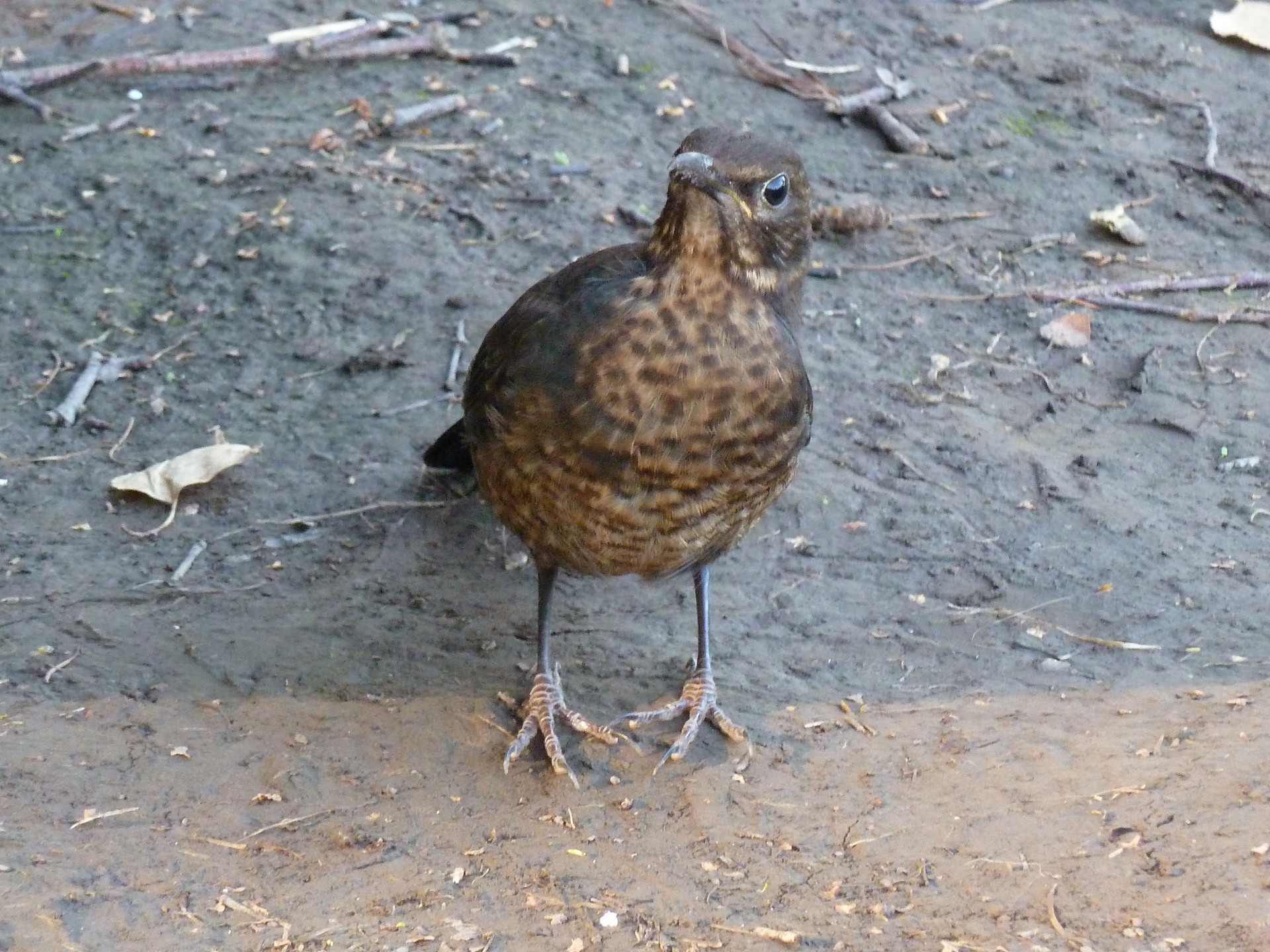
Oleme tagasi oma kämpingus, näksime võileibu ja võtame päikest. Pealelõunasel ajal on siin hea rahulik. Meil on tekkinud siin paar sõbralikku linnukest, kes käivad meie juures saiapuru nokkimas, nad on muutunud juba väga julgeks. Homme suundume Krki saarele. Kuidas seda nime täpselt hääldada, ei oska ma veel öelda. Reisijuht väitis, et see kõlab sarnaselt koera köhimisele.

We’re back at our camping, munching on sandwiches and sunbathing. In the afternoon it’s nicely quiet here. We’ve got a couple of friendly little birds here who come to peck bread crumbs at our place, they’ve become very bold already. Tomorrow we’re heading to the island of Krk. How to pronounce that name exactly, I can’t say yet. The travel guide claimed it sounds similar to a dog coughing.

Meie sõber | Our friend

28. juuli Krk-i saar

In 2012 Horvaatia by Teet Parring / 19. Jul 2012 / No comments

Plitvicka rahvuspark asus rohkem mägedes, merest eemal ning sealne temperatuur oli meiesugustele ideaalne-alla 30 kraadi. Laupäeva hommikul võtsime suuna Krk-i saarele ja mida lähemale jõudsime, seda palavamaks taas läks.

Plitvice National Park was located more in the mountains, away from the sea, and the temperature there was ideal for people like us – below 30 degrees. On Saturday morning we headed towards the island of Krk and the closer we got, the hotter it got again.

[breadcrumbs track=126887]

Teekond jäi seekord poolikult, kuna GPS ununes sisse lülitada.

The route was incomplete this time because we forgot to turn on the GPS.

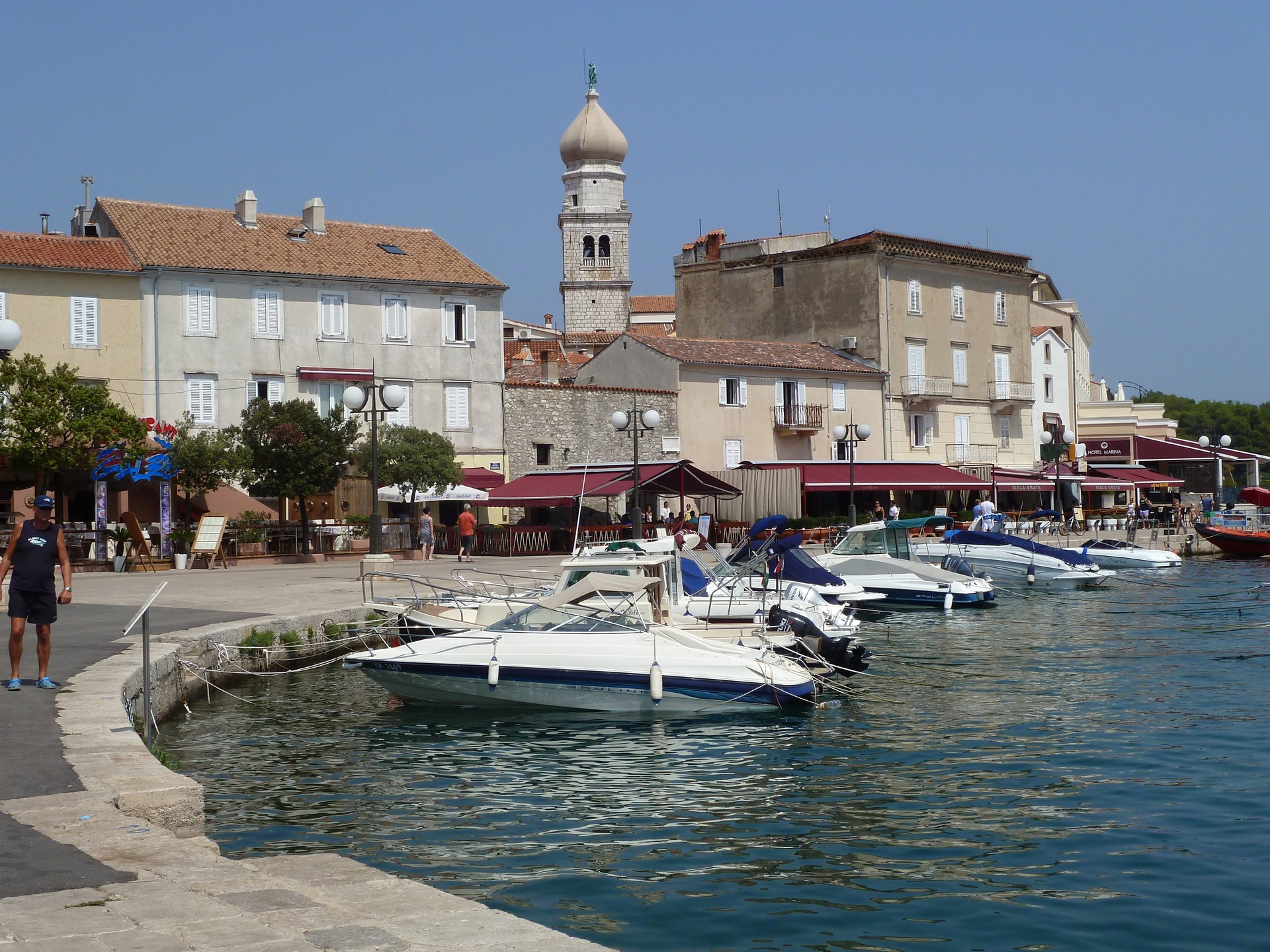
Krki mariina ja vanalinn | Krk marina and old town

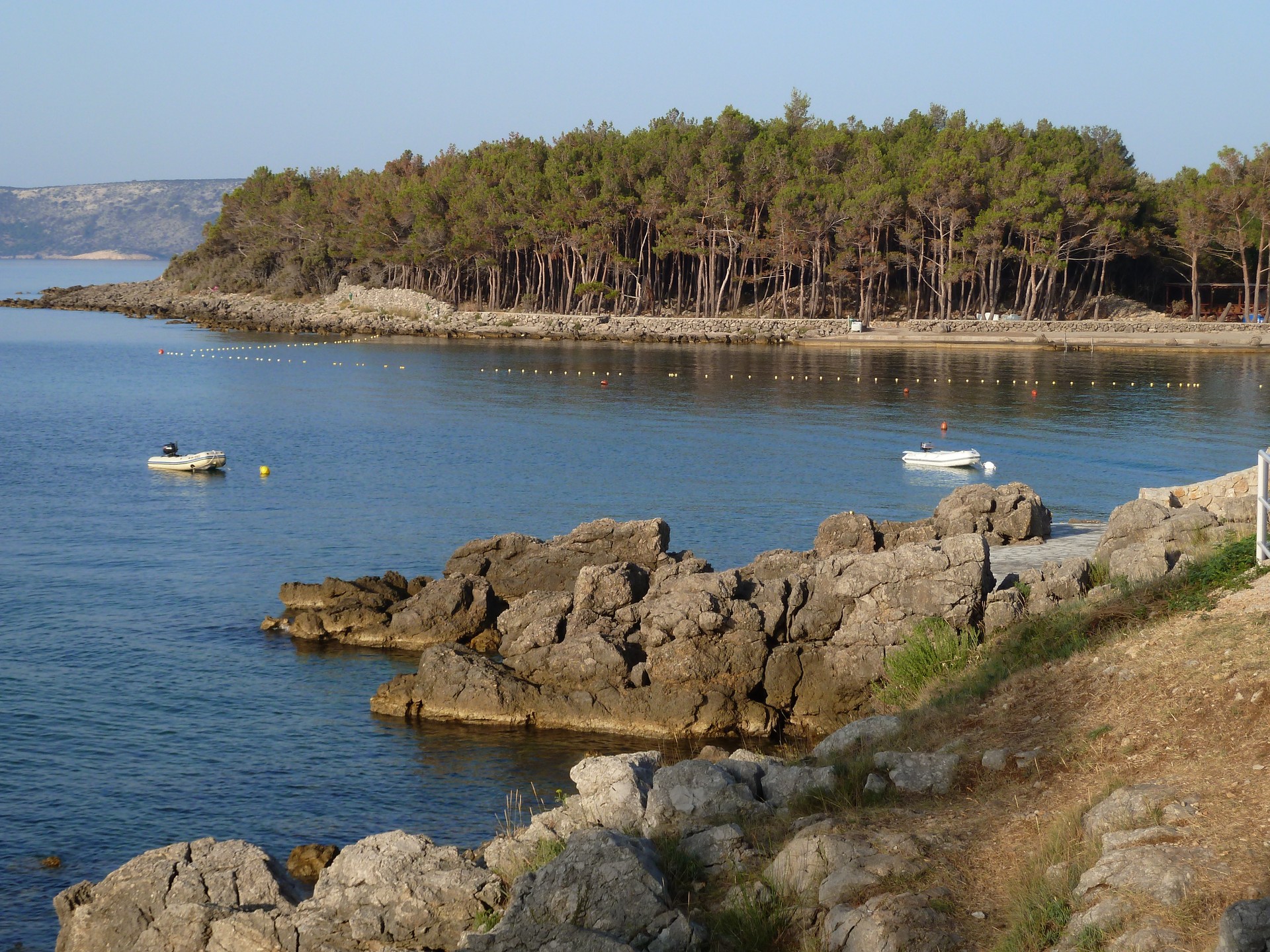
Krk-i saar on tegelikult maismaaga tasulise silla kaudu ühendatud. Teet oli meile jällegi ühe ilusa mereäärse kämpingu välja valinud, kus randa kui sellist otseselt küll ei olnud. Krk on hästi kivine saar ja kämping asus kõrge kivise kalda peal, aga igalt poolt viivad trepid merre välja ning mõnusalt kiiresti läheb sügavaks.

The island of Krk is actually connected to the mainland via a toll bridge. Teet had again chosen a beautiful seaside camping for us, where there wasn’t really a beach as such. Krk is a very stony island and the camping was located on a high rocky shore, but stairs lead down to the sea from everywhere and it gets deep pleasantly quickly.

Kämpingu kivine rand | The camping’s rocky beach

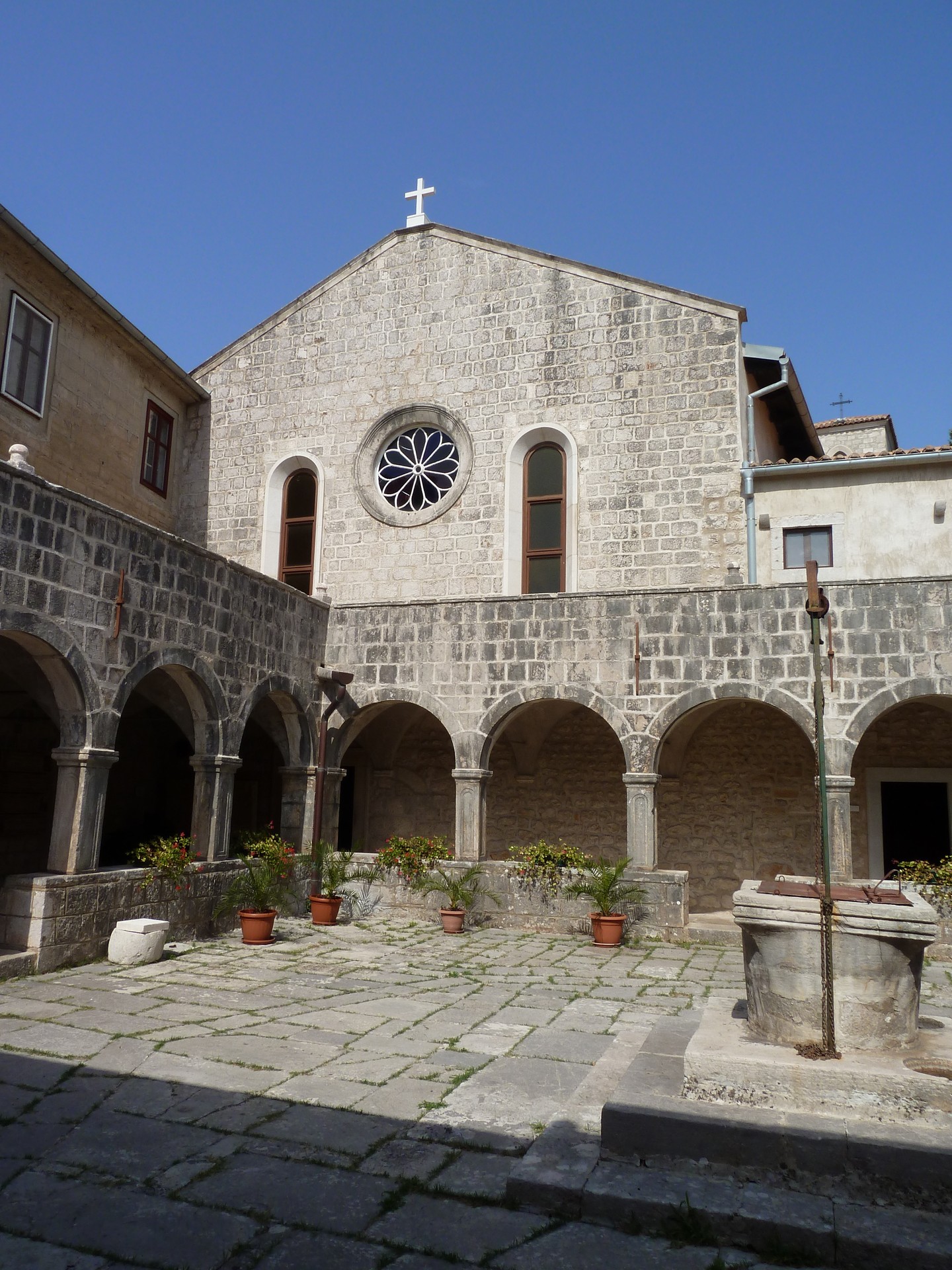
Tänase päeva plaan oli veel ühe pisikese saare peal ära käia. Selleks kasutasime taas kõikjal hästitoimivat ühistransporti, millega sõitsime linnakesse Punat, kust edasi tuli võtta veetakso, et Koshljuni saarele saada. See saareke on nii pisike, kunagi vanad roomlased ehitasid sinna oma suveresidentsi, praegu tegutseb selles hoones mungaklooster ja kloostri ruummides on avatud erinevad näitused. Muid hooneid saarel ei olegi. Klooster on ümbritsetud oliivisalude ja metsaga. Peale meie jalutas seal ringi veel vaid üks perekond, tõesti väga armas koht kämpingu ja turistide melust natukeseks eemale saada.

Today’s plan was to visit another tiny island. For this we again used the well-functioning public transport everywhere, with which we drove to the town of Punat, from where we had to take a water taxi to get to Košljun island. This little island is so small, once the ancient Romans built their summer residence there, now a Franciscan monastery operates in this building and different exhibitions are open in the monastery rooms. There are no other buildings on the island. The monastery is surrounded by olive groves and forest. Besides us, only one family was walking around there, truly a very lovely place to get away from the noise of the camping and tourists for a bit.

Košljuni kloostrihoov | Košljun monastery courtyard
Vaikus ja rahu Košljuni saarel | Silence and peace on Košljun island
Kloostri taga metsas | Forest behind the monastery
Saarelt kojusõitu oodates | Waiting for the ride home from the island
Meretakso saabub | Sea taxi arrives

Kuna oli meie viimane õhtu Horvaatias, tähistasime seda korralikult vahemere stiilis õhtusöögi ja ohtra valge veiniga 🙂

Since it was our last evening in Croatia, we celebrated it properly with a Mediterranean-style dinner and plenty of white wine 🙂

Õhtusöök vahemere stiilis | Mediterranean-style dinner

Horvaatia on tõeliselt sümpaatne, sõbralik, puhas, külalislahke maa. Teenindus on kõikjal suurepärane, ka väiksemates külapoodides oskavad müüjad inglise keelt, kõik naeratavad, on külaliste vastu äärmiselt tähelepanelikud… eestlastel on teeninduse osas siit paljugi õppida, eriti kui ma meenutan hiljutist kohvikukogemust Haapsalus.

Croatia is a truly sympathetic, friendly, clean, hospitable country. Service is excellent everywhere, even in smaller village shops salespeople speak English, everyone smiles, is extremely attentive to guests… Estonians have much to learn from here in terms of service, especially when I recall a recent cafe experience in Haapsalu.

Õhtune melu Krki vanalinnas | Evening hustle in Krk old town

Pühapäeval sõidame Ungarisse ja ööbime Balatoni järve läheduses. Esmaspäeva hommikust hakkame pikki sõidupäevi tegema, kuskil enam pikemalt ei peatu.

On Sunday we’ll drive to Hungary and stay near Lake Balaton. From Monday morning we’ll start making long driving days, we won’t stop anywhere longer anymore.

29. juuli: Krki saar – Heviz (Ungari)

In 2012 Horvaatia by Teet Parring / 18. Jul 2012 / 1 Comment

Täna oli esimene pikem sõidupäev, sest sisuliselt alustasime juba koduteed. Krkis sõime hommikusööki rannakohvikus: imehead šokolaadi croissantid ja kohv. Pakkisime asjad ja asusime taas teele 35-kraadises kuumuses. Rannikumägedes langes temperatuur veidi alla 30, mis on sõiduks juba päris hea.

Mägine maastik asendus tasapisi tasandikuga ja liikumistempo mööda kiirteed oli väga hea. Saime edukalt läbi Zagrebi lähedasest teemaksupunktist, kus enamus autojuhte soovisid maksta sularahas ja oli kogunenud pikk-pikk järjekord. Meie sõitsime järjekorda, kus sai kaardiga tasuda ja saime seetõttu läbi ilma mingi ootamiseta. Ka Horvaatia-Ungari piiri ületasime kiiresti, sõitsime jälle lihtsalt järjekorrast mööda ning peagi olimegi kohal meie peatuspaigas – linnakeses nimega Heviz.

Today was the first longer driving day, as we essentially started the journey home already. In Krk we had breakfast at a beach cafe: wonderful chocolate croissants and coffee. We packed our things and set off again in 35-degree heat. In the coastal mountains the temperature dropped slightly below 30, which is already quite good for driving.

The mountainous landscape gradually gave way to plains and the pace of movement along the highway was very good. We successfully got through a toll point near Zagreb, where most drivers wanted to pay in cash and a very long queue had formed. We drove to the queue where you could pay by card and therefore got through without any waiting. We also crossed the Croatian-Hungarian border quickly, simply drove past the queue again, and soon we were at our stopping place – the town of Heviz.

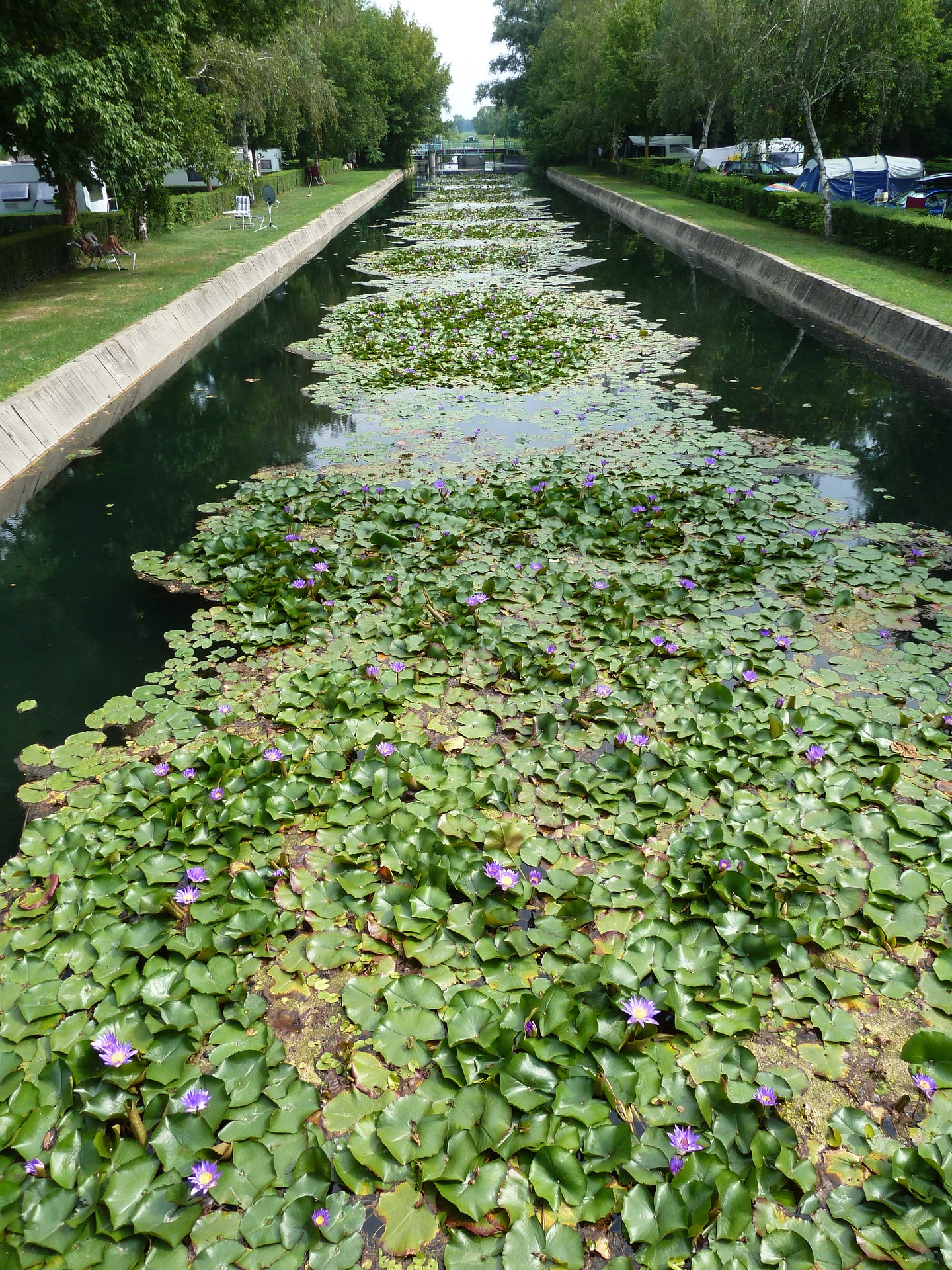
Kämpingut läbiv kanal siniste vesiroosidega | Canal running through the camping with blue water lilies

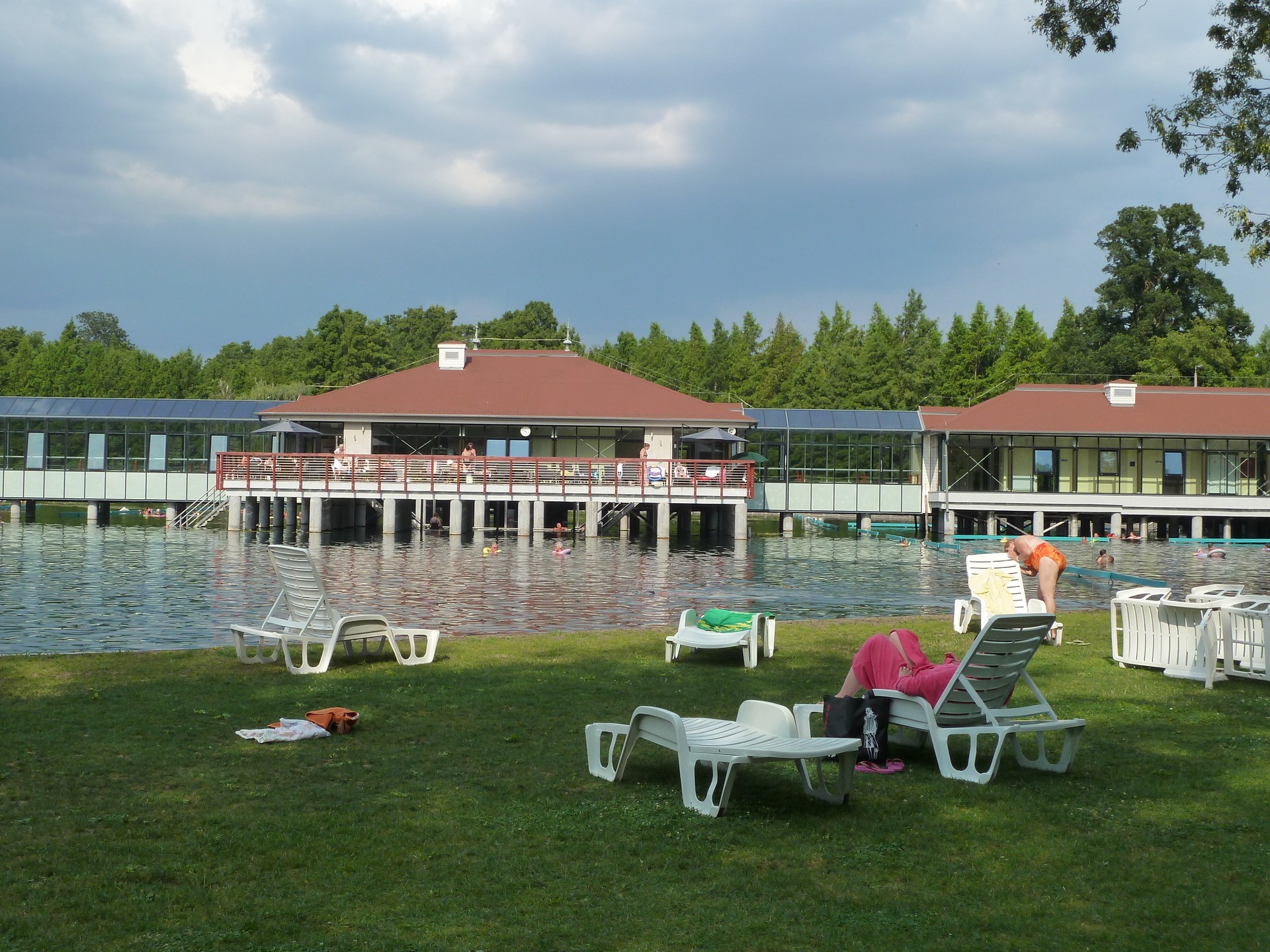
Selle koha valisime seetõttu, et siin asub unikaalne termaalvee järv. Terve järv on üks suur spa – hooned on nii järve äärtes kui ka vaiadel järve peal. Ka vesi oli tõeliselt mõnus, sisse minnes tundus see mõnusalt soe, kuid samas mitte ka liiga palav. Terve päeva püsinud kuum ja umbne ilm ennustas äikest ja nii läkski, taevas kattus aegamööda siniste pilvedega, temperatuur langes ja tuul tugevnes. Sellise ilmaga oli veel eriti mõnus soojas vees lõõgastuda.
We chose this place because there’s a unique thermal water lake here. The whole lake is one big spa – buildings are both on the lake shores and on piles in the lake. The water was also really pleasant, when going in it felt pleasantly warm, but at the same time not too hot. The hot and muggy weather that had persisted all day predicted a thunderstorm and so it went, the sky gradually covered with dark clouds, the temperature dropped and the wind strengthened. In such weather it was especially pleasant to relax in warm water.

Hevizi järv – täis looduslikult sooja vett | Lake Heviz – full of naturally warm water
Pilved kogunevad… | Clouds gathering…

Vihma eel kämpingusse tagasi jõudes, otsustasime telkimisest loobuda ja ööbida toas. Kämping oli täis saksa pensionäre autosuvilatega. Sõime nendega koos kämpingu restoranis õhtust, ungaripärane guljaši supp oli igatahes suurepärane.

Tänase päeva eesmärgiks on kämping Poolas. Olime seal kaks aastat tagasi kui sõtsime Rumeeniasse. Vaatame, kas on vahepeal palju muutunud.

Before the rain, returning to the camping, we decided to give up on tenting and stay in a room. The camping was full of German pensioners with motorhomes. We ate dinner with them at the camping restaurant, the Hungarian-style goulash soup was excellent anyway.
Today’s destination is a camping in Poland. We were there two years ago when we drove to Romania. Let’s see if much has changed in the meantime.

[breadcrumbs track=126953]

30. juuli Ungari-Slovakkia-Poola

In 2012 Horvaatia by Teet Parring / 17. Jul 2012 / No comments

Täna oli meie esimene täispikk sõidupäev, nii et väga palju kirjutada polegi, aga mõned muljed panen siiski kirja.

Today was our first full driving day, so there’s not much to write about, but I’ll still record some impressions.
[breadcrumbs track=127001]

Enne Ungarist ärasõitu tegime pisikese sissepõike Balatoni-äärsesse kuurortlinnakesse. Mul oleks väga kahju olnud, kui me oleks sealt niimoodi ära sõitnud, et Balatoni järve ääres oleks käimata jäänud.
Before leaving Hungary, we made a small detour to a resort town on the shores of Lake Balaton. I would have been very sorry if we had left from there in such a way that we hadn’t visited the shores of Lake Balaton.

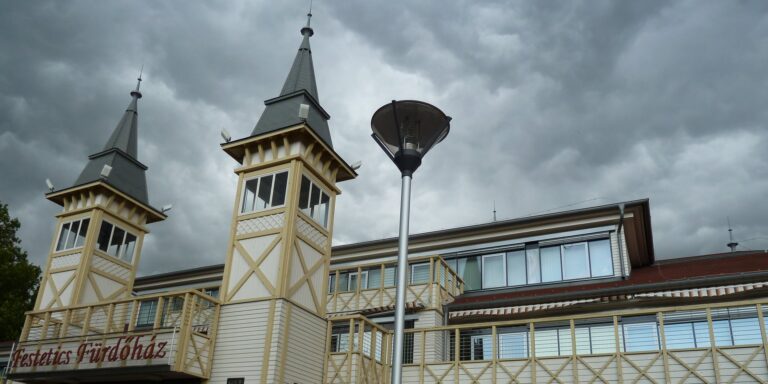
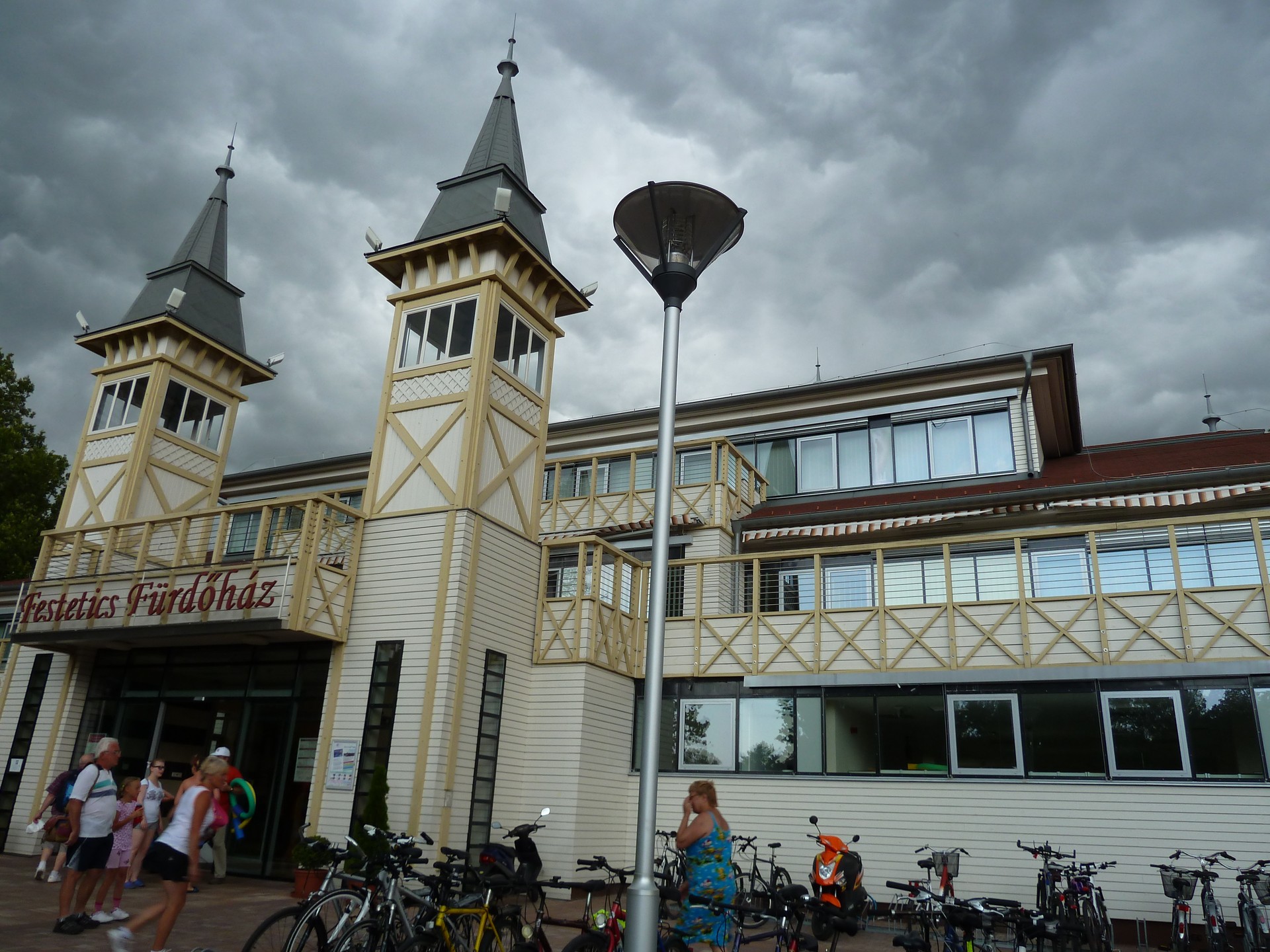
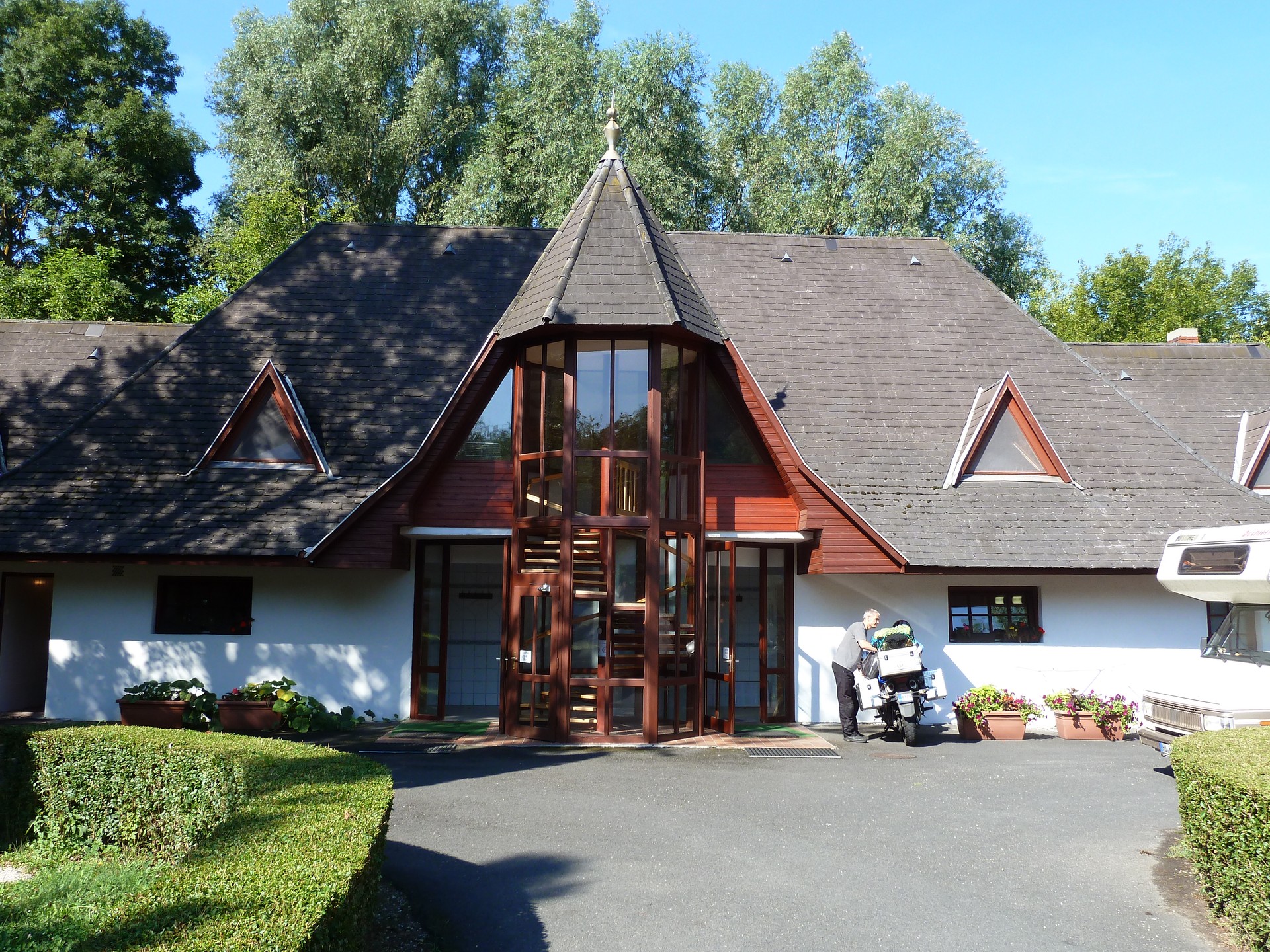
Tornikestega kämpinguarhitektuur Ungaris | Camping architecture with turrets in Hungary
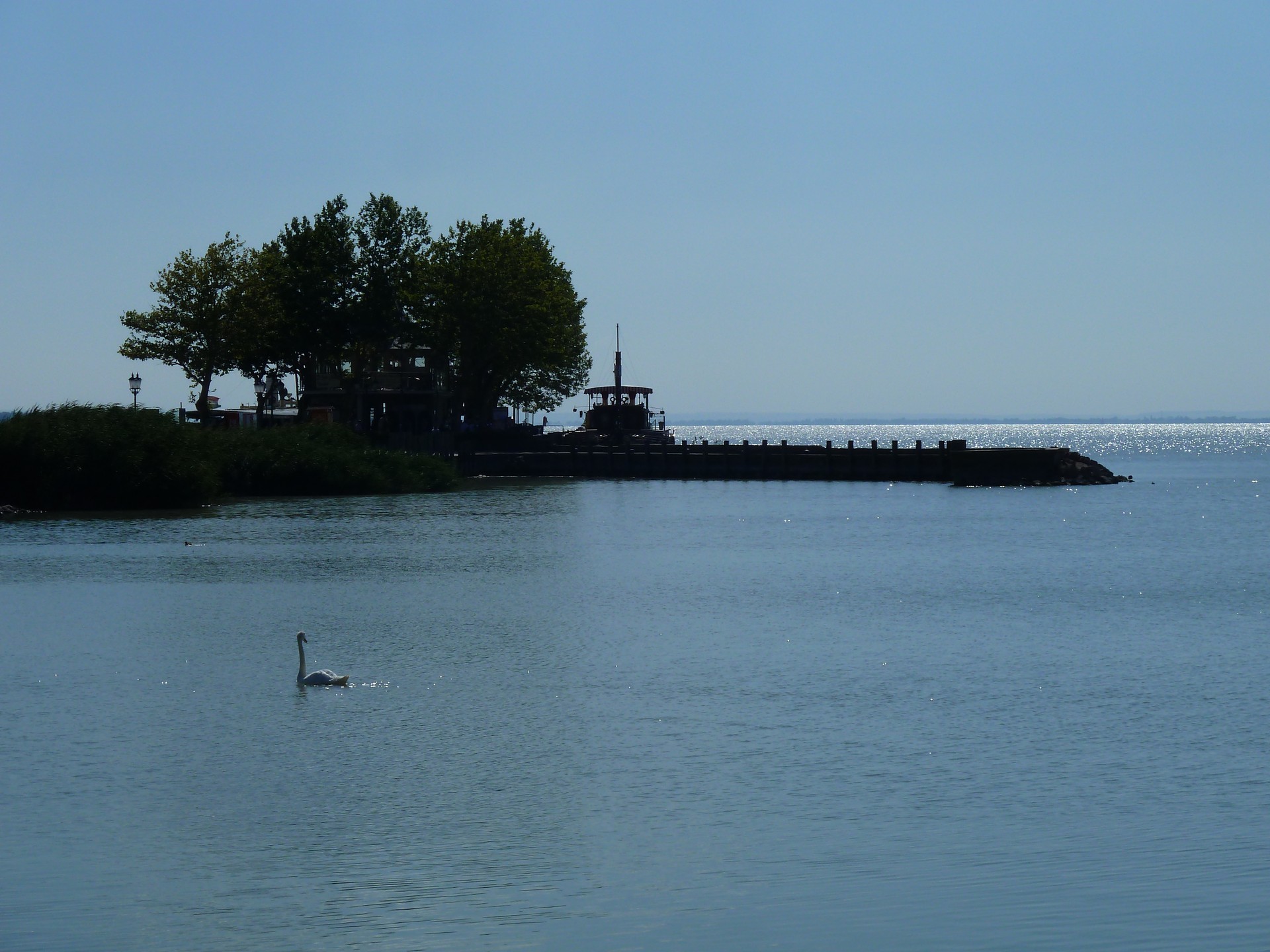
Balatoni järv | Lake Balaton

Üldiselt pole mulle Ungari külakesed nendest läbi sõites suuremat muljet jätnud, natuke sellised väsinud moega…, aga termaaljärve ümbrus ja Balatoni-äärsed linnakesed/külakesed olid küll kenad ja hoolitsetud, mis on ju tegelikult suht loomulik, eks nad turismindusest sealkandis elavad ja seetõttu ka pingutavad rohkem.

Täna nägime Ungari kiirteel ka esimest eesti nubrimärgiga sõidukit… ja see oli ka motikas 🙂 Sõitsime temast mööda ja muidugi lehvitasime talle! Ratturite puhul on üldse nii armas komme üksteisele lehvitada :). Mis mulle tänase päeva juures veel meeldis, oli see, et GPS juhatas meid läbi Budapesti. Üldiselt oleme suurlinnadest läbisõite vältinud ja oleme nende ümbert ringteedel sõitnud, aga ju siis gepsi arvates oli see teekond kiireim variant. Nii et nüüd olen ka Budapestis käinud.

Generally, Hungarian villages haven’t left a big impression on me when driving through them, a bit tired-looking…, but the area around the thermal lake and the towns/villages on the shores of Lake Balaton were indeed nice and well-maintained, which is actually quite natural, after all they live from tourism in that area and therefore also make more effort.

Today we also saw the first vehicle with Estonian license plates on the Hungarian highway… and it was also a motorcycle 🙂 We drove past it and of course waved! With bikers it’s generally such a nice custom to wave to each other :). What else I liked about today was that the GPS directed us through Budapest. Generally we’ve avoided driving through big cities and have driven on ring roads around them, but apparently in the GPS’s opinion this route was the fastest option. So now I’ve also been to Budapest.

Slovakiasse sisenesime seekord rohkem idapoolsest küljest, seetõttu ei olnud ka Tatramäestik nii kõrge kui tulles. Teed olid laugemad ja mitte enam nii käänulised neist üle sõites. Ma olen ausalt öeldes nendest mägiteedest juba tiba tüdinenud. Peale Montenegros kogetut ma ei karda neid enam nii hullult, aga lihtsalt tahaks juba tasasel maal sõita… Teet muidugi ainult mägedes sõidakski 🙂

Poola võttis meid vastu suurte teedeehitustega, mis on neist väga kena, sest iga aastaga muutuvad sealsed teed paremini sõidetavaks. Kasutasime ka siin motika eelist teeremondi järjekordadest möödasõitmistel. Päeva lõpupoole juhatas GPS meid pisut kõrvalisema tee peale, kus liiklust praktiliselt polnud ning sai hea hooga sõita, mitte ei pidanud suurtest rekkadest mõõdasõite ootama. Jõudsime kämpingusse kell 18.30, olime teel olnud 9 tundi… õnneks läks siinkandis natuke jahedamaks. Broneerisin meile siia väikese kämpingumajakese, kus me ka Rumeenia reisi ajal ööbisime, aga rääkisime vist telefoni teel teineteisest pisut mööda ja meile oli tuba valmis pandud hoopiski külalistemajja, mis meile tegelikult isegi veel paremini sobis 🙂

We entered Slovakia this time more from the eastern side, so the Tatra Mountains were not as high as when coming. The roads were flatter and not as winding when crossing them. I’m honestly a bit tired of these mountain roads already. After experiencing Montenegro I don’t fear them so terribly anymore, but I just want to drive on flat land already… Teet would of course only drive in the mountains 🙂

Poland greeted us with major road construction, which is very nice of them, as every year the roads there become better to drive on. We also used the motorcycle’s advantage here in bypassing road construction queues. Towards the end of the day, the GPS directed us to a somewhat side road where there was practically no traffic and we could drive at a good pace, didn’t have to wait for overtaking large trucks. We reached the camping at 6:30 pm, we had been on the road for 9 hours… fortunately it got a bit cooler in this area. I had booked us a small camping cabin here, where we also stayed during the Romania trip, but we apparently talked past each other a bit on the phone and a room had been prepared for us in the guesthouse instead, which actually suited us even better 🙂

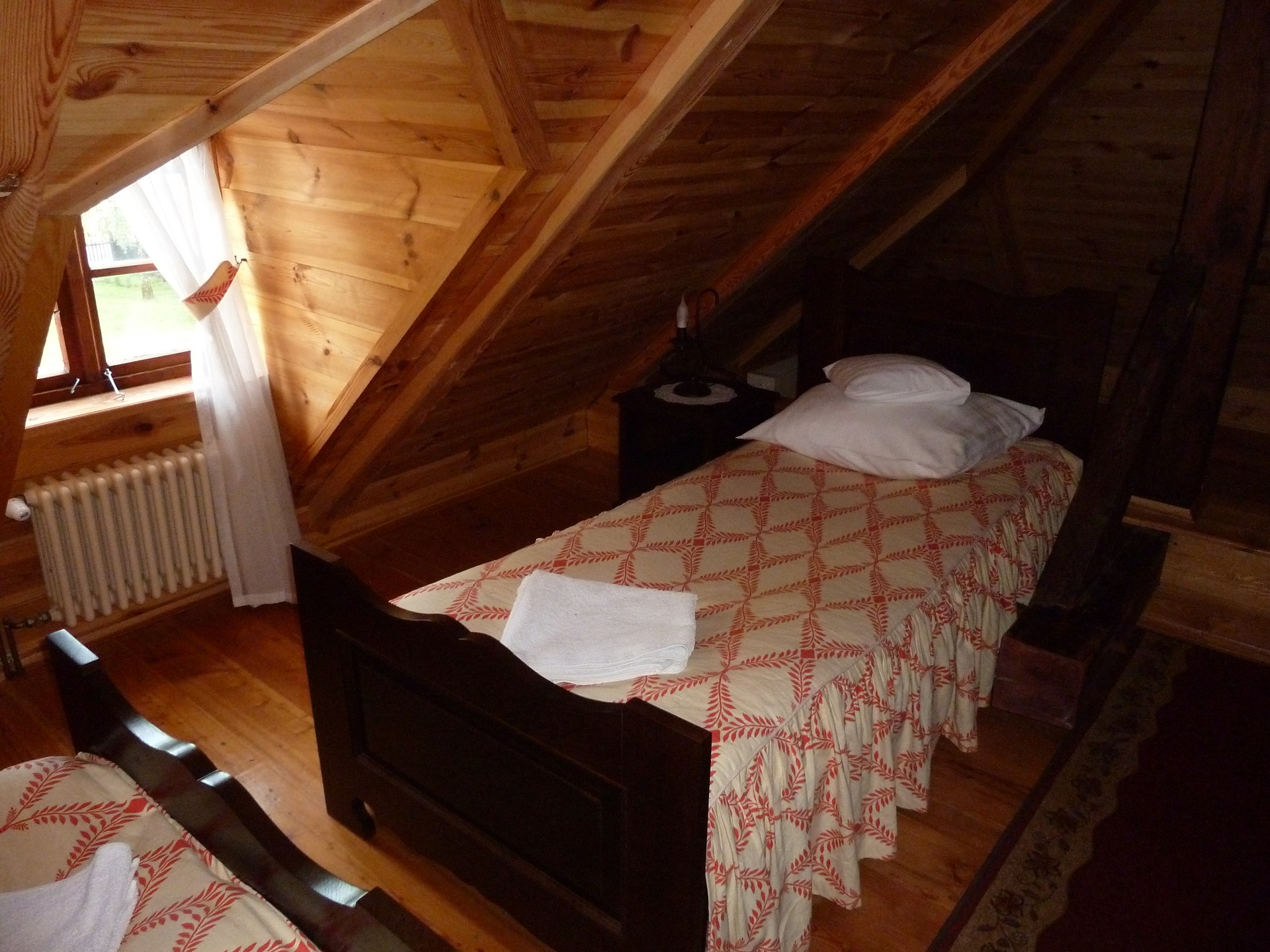
Hubane toake Poola kämpingus | Cozy room at the Polish camping
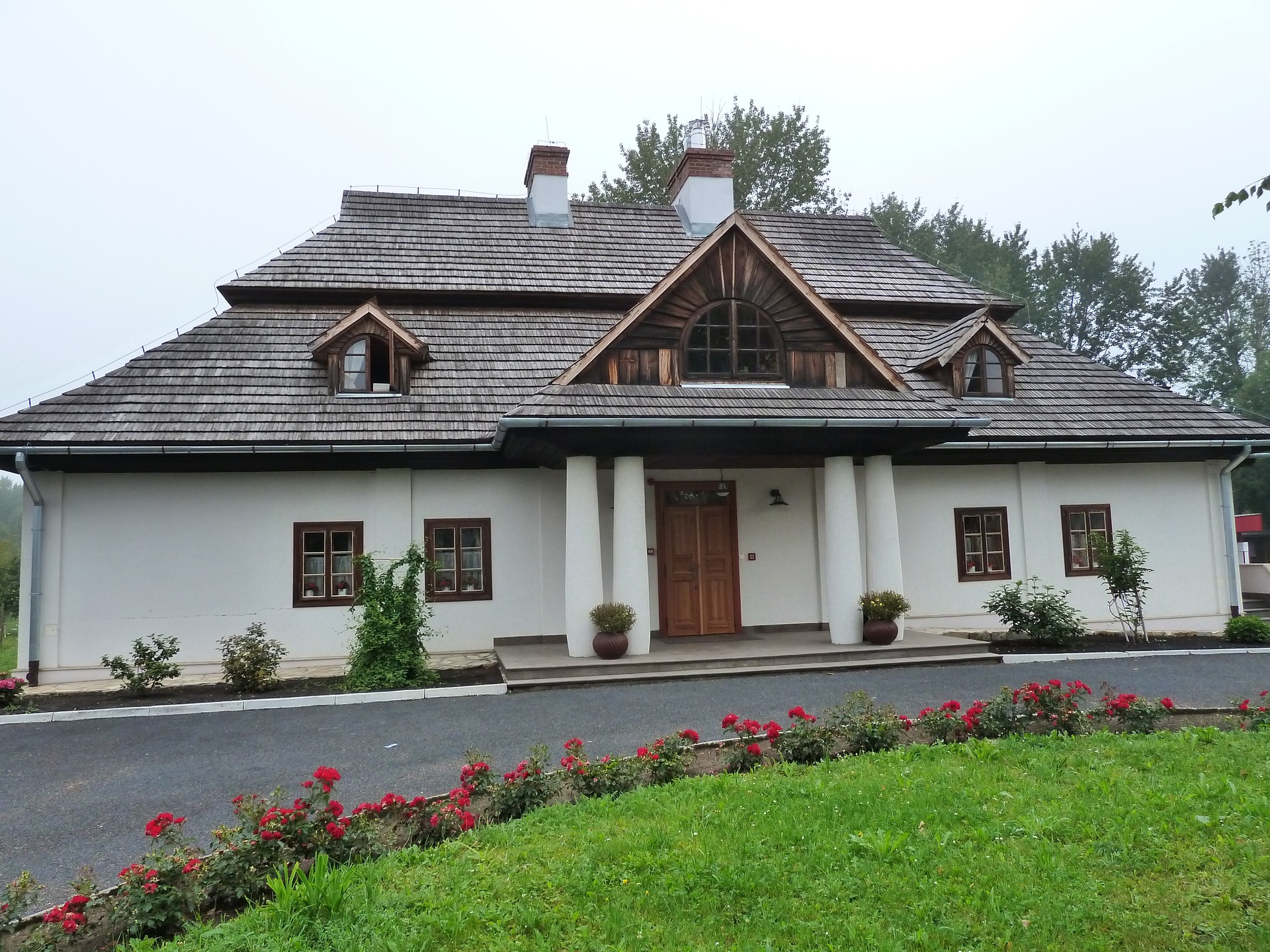
Kämpinguarhitektuur Poolas | Camping architecture in Poland

Sõime kämpingu restoranis korraliku õhtusöögi ja ongi uneaeg!!! Ma olen tõesti väsinud, ma ei jõua isegi raamatut lugeda, millest on mul väga kahju. Krk-i sadamas oli laupäeval suur raamatute väljamüük ja ma ostsin endale kaks inglisekeelset jutukat. See, mis mul pooleli on on niiii hea, et üldse ei paneks käest. Õnneks on jäänud veel ainult kaks pikka sõidupäeva….

We ate a proper dinner at the camping restaurant and it’s bedtime!!! I’m really tired, I don’t even have the energy to read a book, which I’m very sorry about. There was a big book sale at Krk harbor on Saturday and I bought myself two English novels. The one I have in progress is sooo good that I wouldn’t put it down at all. Fortunately there are only two long driving days left….

Teedu ja Inge reisid background image